
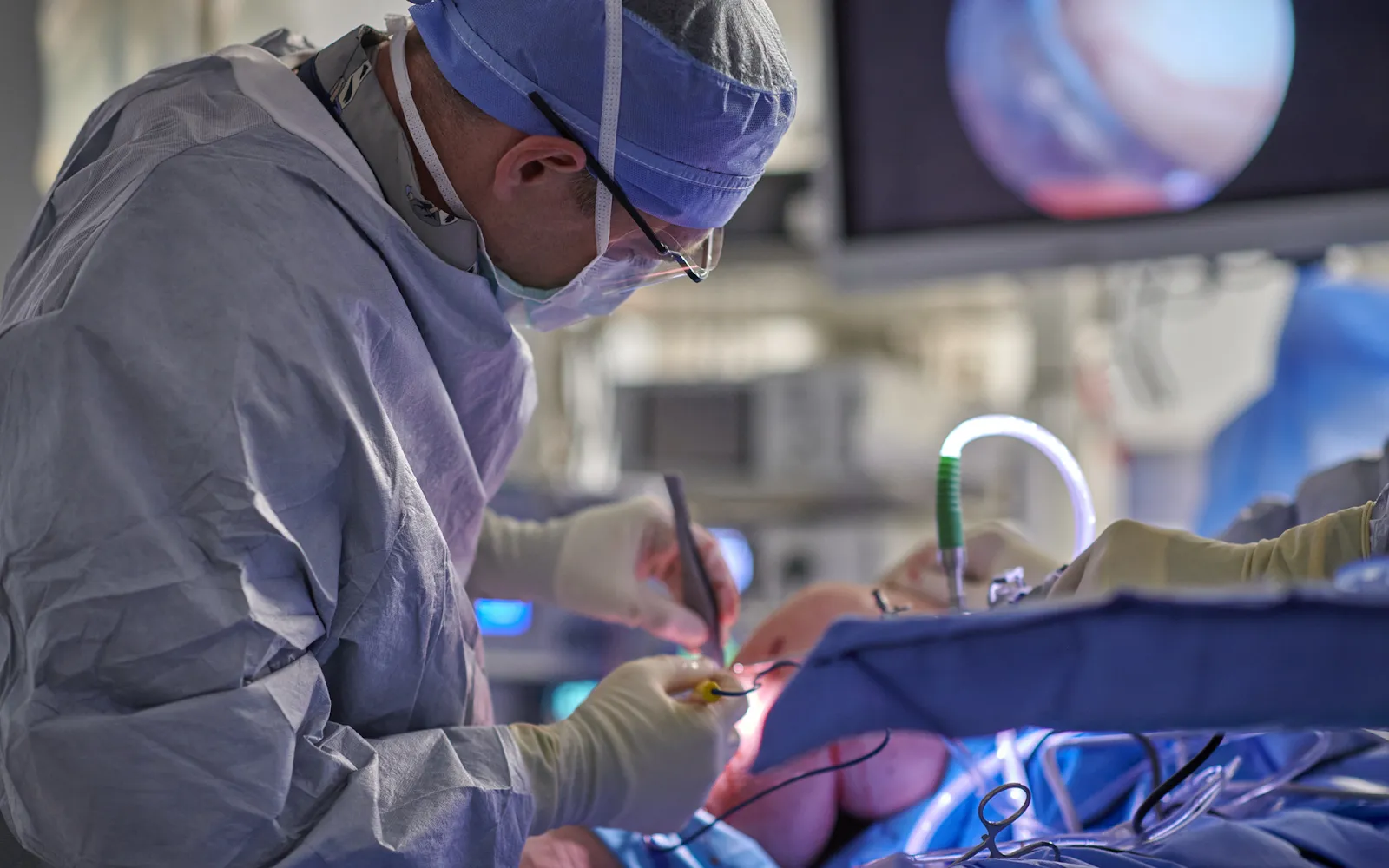
Orthopedic surgeons are medical doctors who specialize in the musculoskeletal system. They diagnose and treat injuries and diseases affecting your bones, joints, ligaments, tendons, and muscles. When non-surgical treatments are not enough, these surgeons may perform procedures to help manage conditions, and the field of orthopedics continues to evolve with new techniques and technologies. Understanding these developments can help you have more informed conversations with your healthcare provider.
Biological Cell Treatment
Biological cell treatments use a patient’s own cells to aid the body’s natural healing processes. A specialist typically collects cells from bone marrow or fat tissue, which are then processed. Afterward, they inject the concentrated cells into the injured area, which could be a joint or a tendon. The goal is to support the body’s repair mechanisms, and this takes place at the site of injury or degeneration, potentially leading to:
- Boosted natural healing
- Reduced inflammation
- Improved pain management
Spinal Fusion Techniques
Spinal fusion is a surgical procedure that joins two or more vertebrae into a single, solid bone. While this procedure helps to stop motion at a painful vertebral segment, which may reduce joint pain, new methods are continually being developed. Surgeons typically have access to advanced hardware and bone graft materials, and these advancements aim to improve the process of fusing the bones together.
Newer alternatives to traditional fusion are also available for certain cervical spine conditions. These techniques are designed to preserve motion in the neck. An orthopedic surgeon might use a device that stabilizes the spine while still allowing for movement, which is different from the complete immobilization of a fusion. This approach offers another option for specific patient profiles.
Minimally Invasive Surgery
Minimally invasive surgery (MIS) involves small incisions instead of one large opening. Surgeons use specialized instruments and cameras to see the surgical area. This approach results in less disruption to muscles and surrounding tissues.
There are several types of MIS procedures in orthopedics, each tailored to a specific joint or condition. Arthroscopy is a standard MIS technique used for joints like the knee and shoulder. Other common MIS procedures include:
- Minimally invasive hip replacement
- Minimally invasive knee replacement
- Advanced spine surgery
MIS techniques are applied across various orthopedic subspecialties, from sports medicine to joint replacement. Because the surgical approach is less disruptive, it often changes the recovery experience for the patient. The suitability of MIS depends on the specific diagnosis and the surgeon’s evaluation.
Disc Replacement Improvements
Disc replacement surgery involves removing a damaged spinal disc and replacing it with an artificial one. This procedure is an alternative to spinal fusion for some people. New artificial disc designs aim to more closely mimic the natural movement of a healthy spinal disc. These improvements in technology and materials are a focus of ongoing research, and the objective is to provide stability while allowing a range of motion.
Visit an Orthopedic Surgeon
Developments in orthopedic surgery offer new options for treating musculoskeletal conditions. The field is constantly advancing, from cellular treatments to refined surgical techniques. If you are experiencing pain or have an injury affecting your bones or joints, a consultation with a specialist is a good next step. Contact an orthopedic surgeon to discuss your symptoms and learn about what treatment approaches might be right for you.
Leave a Reply