
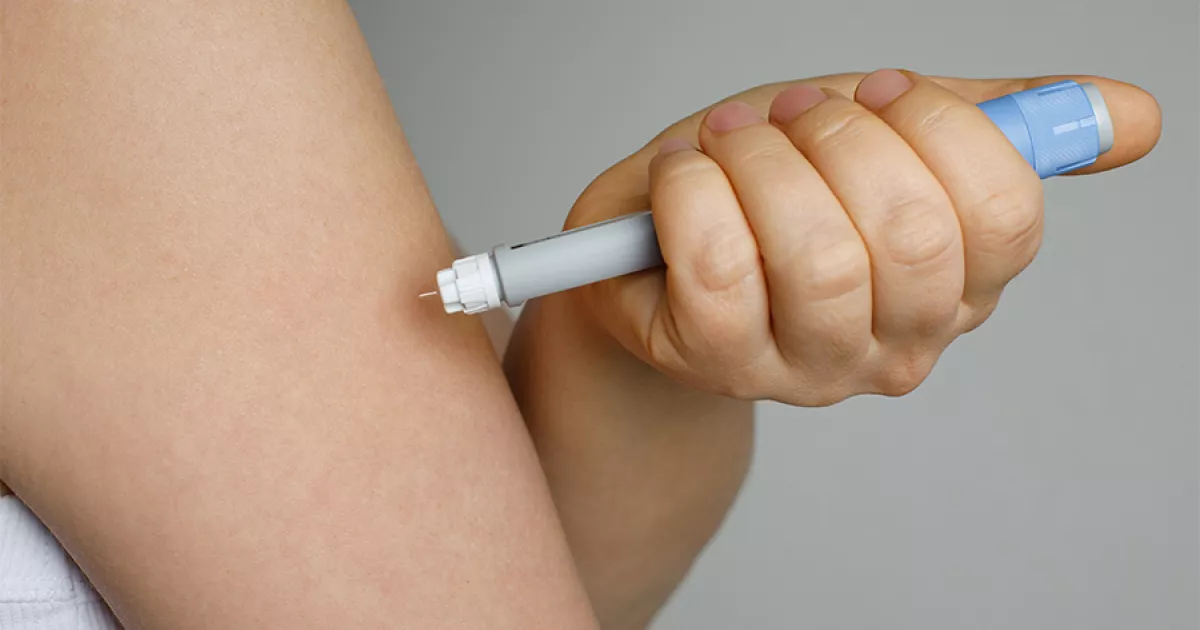
Tirzepatide is a medical option used for the treatment of obesity and related metabolic conditions, making it a significant topic in conversations around weight loss. As with any prescription-based therapy, understanding its safety profile is just as necessary as understanding its potential benefits. Here’s a closer look at the safety concerns and side effects of tirzepatide:
Regulating Weight Loss
Tirzepatide functions by mimicking two hormones naturally present in the human body. These hormones are glucose-dependent insulinotropic polypeptide (GIP) and glucagon-like peptide-1 (GLP-1). The medication activates receptors for both hormones, which helps to regulate appetite and blood sugar levels. This dual action distinguishes it from other single-hormone treatments currently available.
The drug slows down the speed at which the stomach empties food into the small intestine. This helps people feel full for longer after meals, and as a result, they often eat fewer calories during the day without strong hunger pains. The brain also receives signals that reduce cravings and food noise. This mechanism supports consistent weight loss when the medication is combined with lifestyle changes.
Exploring Side Effects
Many patients experience mild gastrointestinal reactions when they first start the medication or increase their dosage. The body needs time to adjust to the changes in digestion and hormone levels. Common reactions that individuals report during the initial phases of treatment include:
- Nausea and vomiting.
- Diarrhea or loose stools.
- Decreased appetite.
- Constipation.
- Stomach pain or indigestion.
- Fatigue or tiredness.
- Injection site reactions, such as redness or itching.
These symptoms often decrease over time as the body adapts to the prescribed dosage, and patients can mitigate these effects by eating smaller meals and avoiding high-fat foods.
Managing Treatment Safety
A medical provider must review your full health history before prescribing this medication. Certain pre-existing conditions may increase the risks associated with taking Tirzepatide for weight loss. Fundamental safety factors to discuss with a specialist include:
- Personal or family history of medullary thyroid carcinoma (MTC).
- History of Multiple Endocrine Neoplasia syndrome type 2 (MEN 2).
- Previous diagnosis of pancreatitis.
- Current pregnancy or plans to become pregnant.
- Severe stomach problems like gastroparesis.
- Kidney or gallbladder problems.
- Use of insulin or other diabetes medications.
Discussing these factors helps the doctor determine if this treatment approach is safe for your specific needs. The provider may adjust the dosage or recommend alternative therapies based on this information.
Recognizing Warning Signs
Most side effects are mild and manageable, but some reactions require immediate medical attention. Severe abdominal pain that radiates to the back may indicate pancreatitis. This condition is serious and requires that the patient stop the medication immediately and seek help.
You should also watch for signs of a serious allergic reaction during the course of treatment. Symptoms such as facial, tongue, or throat swelling require emergency care. Difficulty breathing or severe rashes are also indicators of hypersensitivity to the drug components, and changes in vision can occur in patients who have type 2 diabetes.
Schedule Your Weight Loss Appointment
Understanding the safety profile of Tirzepatide is a fundamental step in your health journey. This medication offers significant potential for weight control when used under proper medical supervision and is best used in conjunction with a clinic that prioritizes patient safety and education. Contact a weight management specialist near you to schedule your appointment and learn more about tirzepatide for weight control.
Leave a Reply