
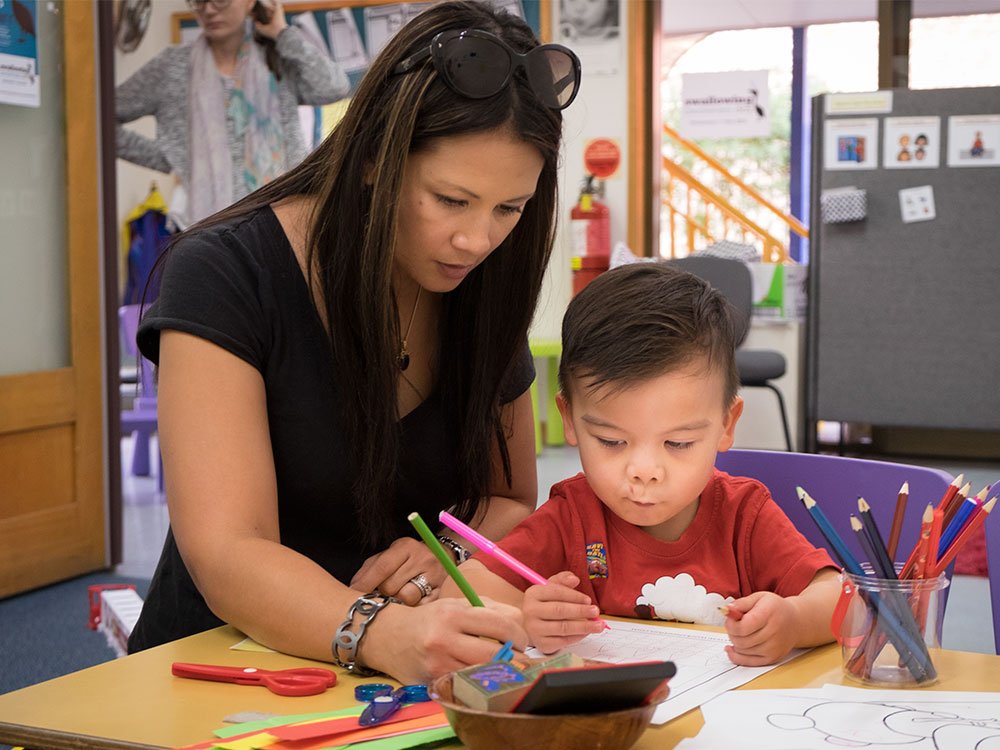
Autism spectrum disorder (ASD) is a developmental condition, and it can affect communication and behavior. Individuals with autism may experience the world differently, so they may have distinct strengths and challenges. Supporting a person with autism involves understanding their unique profile and finding therapies that align with their needs. Here are some solutions for autism treatment that don’t involve medications:
Social Skills Therapy
Social skills therapy helps individuals learn how to interact with others more effectively. To help participants practice in a safe setting, the therapist typically guides activities that model social behaviors. These sessions can happen one-on-one or in a group, and they are based on the person’s specific goals.
Developing social understanding is a gradual process. Some people find group settings beneficial for real-time practice, while others may prefer individual attention to focus on certain areas. A therapist might use role-playing, stories, or games to demonstrate social cues and conversational turn-taking, and this type of therapy provides structured opportunities.
Cognitive Behavioral Therapy
Cognitive-behavioral therapy (CBT) is a structured, goal-oriented form of talk therapy. To provide assistance, it helps people identify and change unhelpful thinking and behavior patterns. A therapist works with the individual to develop coping strategies for challenging situations, and this method connects thoughts, feelings, and actions.
CBT sessions are collaborative, and the therapist and individual work together to set goals and measure progress over time. For someone with autism, this therapy can be adapted to address specific anxieties or repetitive behaviors. The focus is on building practical skills that are useful in everyday life.
Therapists may use visual aids and clear, concrete language to make abstract concepts easier to grasp. Because CBT is highly structured, many people find the predictable format comforting. The work involves recognizing emotional triggers and learning new responses, which can equip individuals with tools to navigate difficult moments.
Applied Behavior Analysis
Applied behavior analysis (ABA) is another approach, and it uses principles of learning to bring about meaningful and positive change in behavior. This therapy typically starts with a detailed assessment of an individual’s skills and challenges. Based on this assessment, a therapist creates a personalized plan to teach new behaviors and reduce problematic ones. ABA programs break down complex skills into small, manageable steps.
Speech Therapy
Speech therapy addresses challenges with language and communication. It can help individuals improve both verbal and nonverbal communication skills. A specialist will assess a person’s abilities before creating a treatment plan. Therapy sessions may focus on a variety of goals, such as:
- Articulating words clearly
- Understanding and using gestures
- Following directions
- Initiating and maintaining conversations
This therapy supports the development of functional communication, which is a foundation for connecting with others. The SLP might use picture boards, electronic devices, or other tools to help a person express themselves. Regular sessions provide consistent practice and support as communication skills develop.
Find Autism Treatment Near You
Finding the right support system involves exploring different therapeutic options and professionals. Many drug-free therapies are available to assist individuals with autism in developing skills for daily life. When you are ready to explore these options, a good next step is to connect with specialists in your area. Contact a brain care specialist to learn more about available programs and find a provider near you.
Leave a Reply