
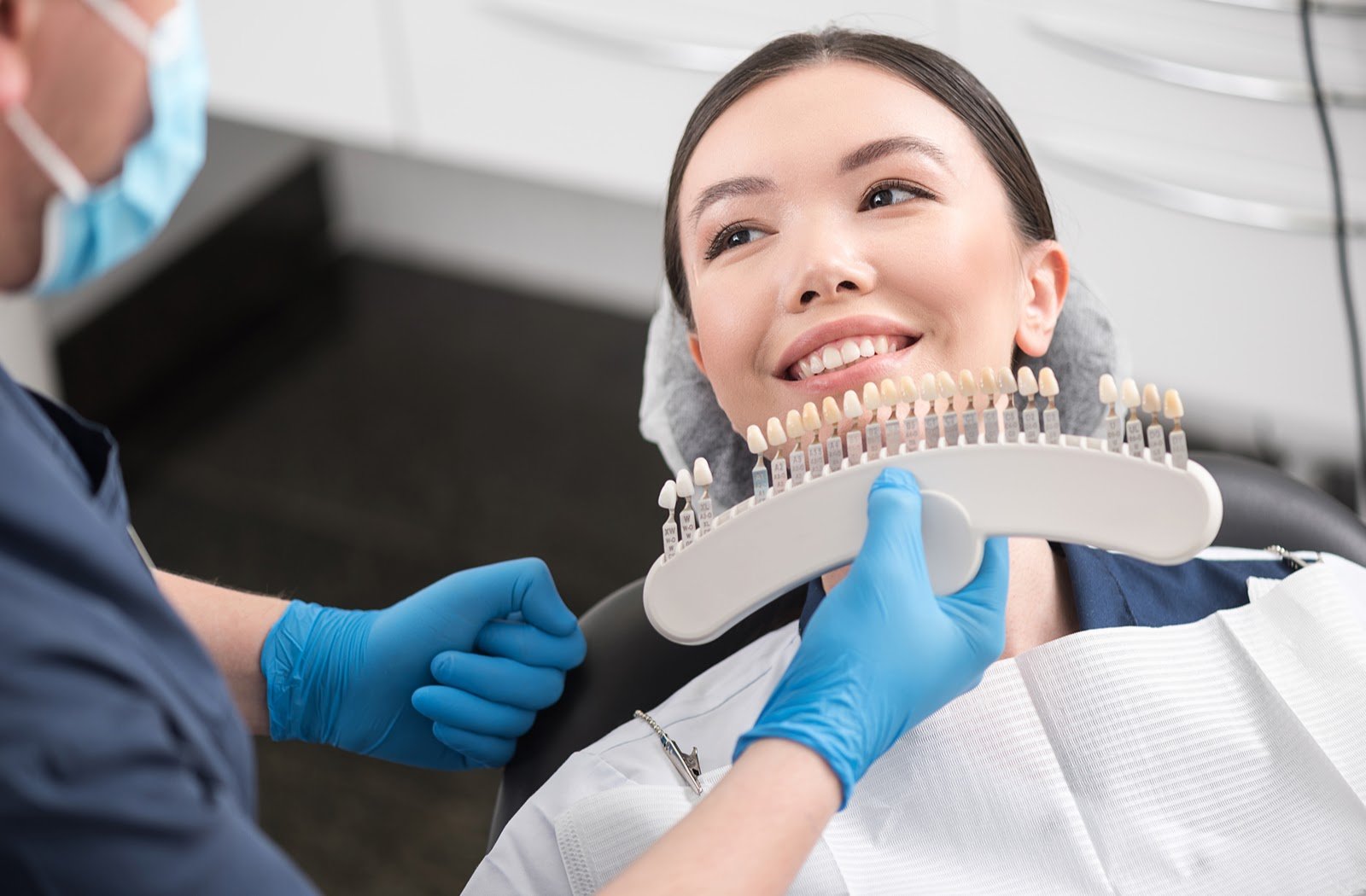
Dental crowns restore a tooth’s structure by covering weakened or damaged enamel and creating a stable biting surface. Crowns come in several materials, each offering its own balance of strength and appearance. Dentists often use crowns to reinforce fractured teeth, complete root canal therapy, or support larger restorations such as bridges. With a variety of crown materials available, there are reliable options that suit both functional needs and aesthetic goals.
Crown Functions
Dental crowns solve a range of structural and restorative issues by covering weakened enamel and reinforcing the underlying tooth. They are commonly used when a cavity is too large for a filling, since the remaining tooth walls may not withstand normal biting forces without additional protection. Fractured or worn teeth also benefit from a crown because the restoration restores lost height and stabilizes the remaining structure. After root canal therapy, a crown protects the treated tooth from fracture by enclosing the hollowed interior. Crowns also support and anchor dental bridges, creating stable attachment points that hold a replacement tooth in place. In cases of tooth discoloration or enamel defects that cannot be corrected with other cosmetic treatments, a crown provides a full-coverage solution that improves both appearance and function.
Comparing Crown Materials
Dental crowns are available in multiple styles to fit different treatment needs. Because each type uses a unique material and fabrication method, the final restoration varies in durability, appearance, and how it interacts with the remaining tooth structure. The most common types of crowns include:
- Metal: known for their long-lasting strength and hold up well under heavy chewing forces. Metal is often chosen for molars.
- Porcelain-fused-to-metal: combine a metal base with a ceramic exterior layer, adding a natural look to the visible portion of the tooth with the strength of metal underneath.
- All-ceramic: provides a more translucent finish that blends with natural enamel.
- Pressed ceramic: include a dense inner layer surrounded by ceramic.
- All-resin: used most often as temporary crowns.
- Same-day: created in-office, allowing the dentist to design and place a tooth-colored ceramic crown in a single visit.
Crown Care and Monitoring
Daily care habits help maintain the integrity of a dental crown. Brushing and flossing protect the edges where the crown meets the natural tooth, reducing the buildup of plaque. Chewing on hard materials places pressure on the restoration, so avoiding habits like biting ice or pens helps reduce wear. Good oral hygiene supports both the crown and the surrounding tooth structure.
Routine dental visits allow the dentist to monitor the condition of the crown over time. Providers evaluate changes in the tooth, the crown’s fit, and any signs of wear that may affect long-term stability. Professional cleanings support the health of the gums around the crown, and early detection of concerns helps maintain the restoration for as long as possible.
Learn More About Dental Crowns
Dental crowns offer a dependable way to restore weakened or damaged teeth, and the variety of available materials allows each restoration to match different clinical needs. With regular home care and routine dental evaluations, a crown can remain functional and comfortable for many years. Exploring the full range of options helps patients choose a solution that supports both long-term strength and natural appearance.
Leave a Reply