
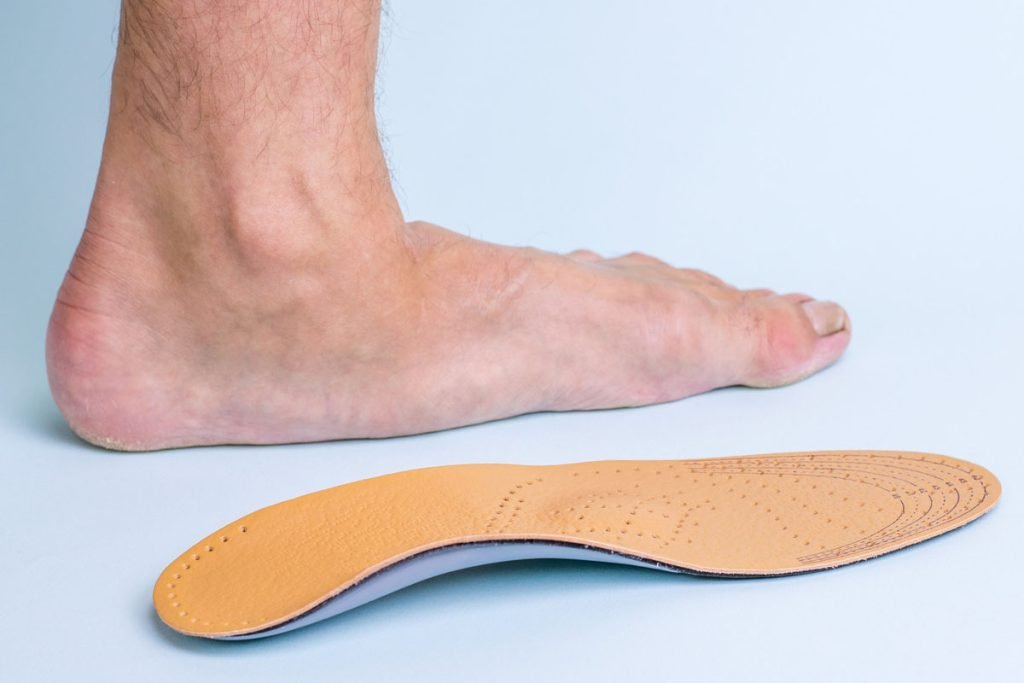
The condition of flat feet, also called flat foot, occurs when the arches of the feet are low or absent, causing the entire sole to touch the ground while standing. While many individuals live with this condition without experiencing significant discomfort, others may find that it affects their mobility or leads to persistent pain in the feet or lower legs. Identifying the underlying cause and exploring management strategies may help relieve the symptoms of flat foot. Here is more information about flat feet and how it is treated:
Explaining Flat Feet
The condition of flat feet may affect people of any age, and infants are born with flat feet because their arches have not yet developed. This arch typically forms during childhood as the tendons in the foot tighten. Some adults never develop an arch, while others may lose their arch height over time due to wear and tear. Whether flat foot causes any significant concerns depends on the individual case, and some adults with flat foot experience no complications.
Several factors can lead to the development of flat foot in adulthood. Traumatic injuries or repeated stress from high-impact activities can damage the supporting structures of the foot. Certain medical conditions, such as diabetes or arthritis, may also play a role in structural changes. Increased weight gain and advanced age are also common contributors to fallen arches and may cause issues.
Reviewing Treatment Methods
There is a variety of non-surgical flat foot treatments, and each one can manage discomfort and improve foot function. One initial step may be switching to supportive footwear that provides better arch stability. A doctor may recommend physical therapy, which strengthens the muscles and tendons in the lower legs and ankles. Strengthening the overall structure helps the foot better distribute the pressure of your body weight.
Healthcare providers may suggest a combination of the following tools and methods to manage the condition:
- Custom orthotics designed for your specific foot shape.
- Braces that provide extra support for the ankle joint.
- Medications that help manage inflammation and pain.
- Stretching exercises that target the calf muscles.
Surgery is sometimes necessary when conservative measures do not provide relief. Surgeons can repair damaged tendons or realign the bones in the foot to create a more functional arch. This step is usually reserved for severe cases of deformity or when pain significantly limits daily activities. Your provider will determine if a surgical approach is the right path for your recovery.
Identifying Condition Risks
In some cases, leaving flat feet unaddressed can lead to several secondary issues in the lower body. When the feet roll inward, it places uneven stress on the ankles and knees. This misalignment often results in rolled-in ankles or painful shin splints during exercise. Over time, the lack of arch support can cause the ligaments in the sole of the foot to become inflamed.
Untreated flat foot may also contribute to the development of other painful foot deformities, which often require extensive treatment to correct. Constant pressure on the toes and midfoot can lead to bunions or hammertoes. Many patients experience plantar fasciitis, which causes sharp pain in the heel area. Addressing structural issues early can help you avoid these complications and maintain your long-term mobility.
Learn More About Flat Feet
If you experience pain or discomfort related to flat feet, an experienced podiatrist can provide a comprehensive evaluation to diagnose the underlying cause of foot or ankle pain. They offer personalized care plans to help you strengthen your feet and improve your gait. A podiatrist can also help with referrals to other specialists if needed. To learn more about treatment options for flat feet, consult a podiatrist near you.
Leave a Reply