
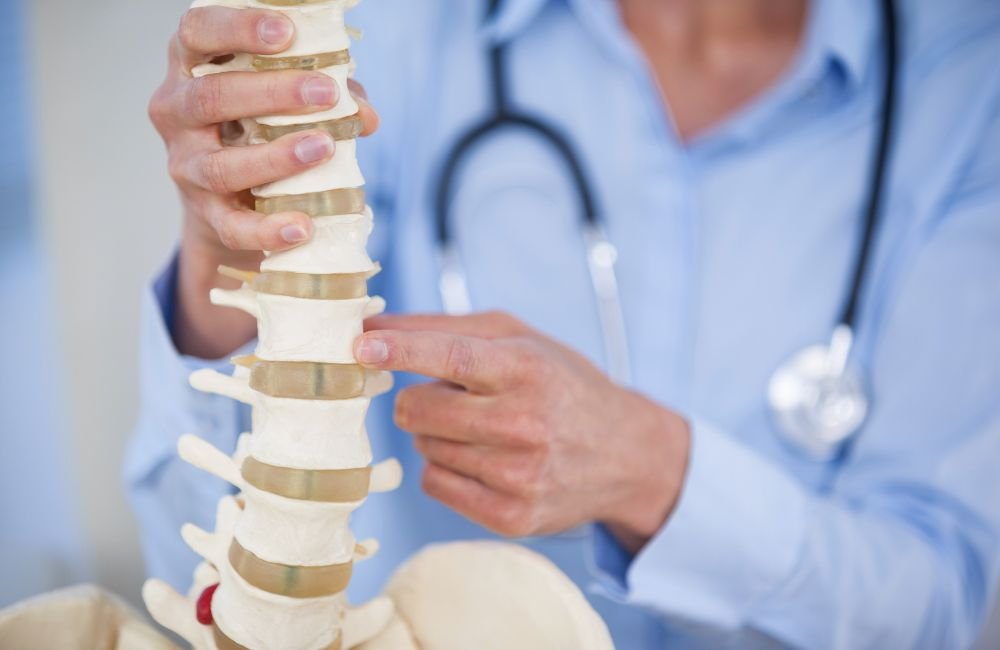
Disc surgery is a procedure that addresses issues with the rubbery cushions between the vertebrae in your spine. These discs act as shock absorbers, allowing your spine to bend and flex. When a disc is damaged, it might lead to pain, numbness, or weakness. Here are some common myths surrounding disc surgery debunked:
Spine Surgeries Are Major Procedures
The idea that all spine surgeries are extensive operations is a common misunderstanding. While traditional open-back surgery exists, many modern disc procedures are minimally invasive. Surgeons perform these operations through small incisions, and they use specialized instruments and cameras to navigate and repair the affected area without disrupting a large amount of muscle and tissue. This often results in less blood loss and reduced scarring.
Recovery Is Painful and Long
Another myth is that recovery from disc surgery is always long and difficult. Your personal recovery timeline depends on the type of surgery you have and your overall health. With minimally invasive techniques, recovery is often quicker than people expect. Because less muscle is cut, postoperative pain may be more manageable. Many patients are encouraged to get up and walk around within hours of their procedure. A physical therapy program can be part of your recovery plan, helping you regain strength and flexibility safely.
For cervical disc replacement, patients typically wear a soft collar for the first two weeks of recovery. Patients who have undergone lumbar disc replacement can expect the abdominal incision to heal in two to four weeks. After these initial healing periods, your spine doctor should clear you for physical therapy or exercise that helps you regain the range of movement.
Artificial Discs Wear Out Quickly
The materials used in modern artificial disc replacements, including medical-grade metals and plastics, are designed for longevity and resilience. These devices undergo extensive testing to simulate the stresses and movements of the human spine over many years. The goal of an artificial disc is to preserve spinal motion, mimicking the function of a healthy natural disc. Your surgeon will discuss the specific device and its expected lifespan with you prior to surgery.
Herniated Discs Require Surgery
A diagnosis of a herniated disc does not automatically mean you need surgery. Many people find relief through non-surgical treatments. These conservative approaches are often the first line of defense, and options may include:
- Physical therapy to strengthen supporting muscles
- Anti-inflammatory medications to reduce swelling
- Epidural steroid injections to alleviate pain
Surgery is typically recommended only if these methods do not provide adequate relief or if you are experiencing progressive neurological symptoms. A spinal specialist can assess your symptoms, perform necessary imaging studies, and recommend an effective treatment plan. They may also advise adopting healthy lifestyle habits that support spine health. A proper posture, staying physically active, and using ergonomic furniture can help prevent further strain on your spine.
Schedule Disc Surgery Today
Understanding the facts about disc surgery helps you make informed choices about your health. Modern advancements in spinal disc surgery aim to provide effective solutions with less impact on your body and a smoother recovery. If you are experiencing persistent back or neck pain, contact a neurosurgeon today to schedule a consultation.
Leave a Reply