
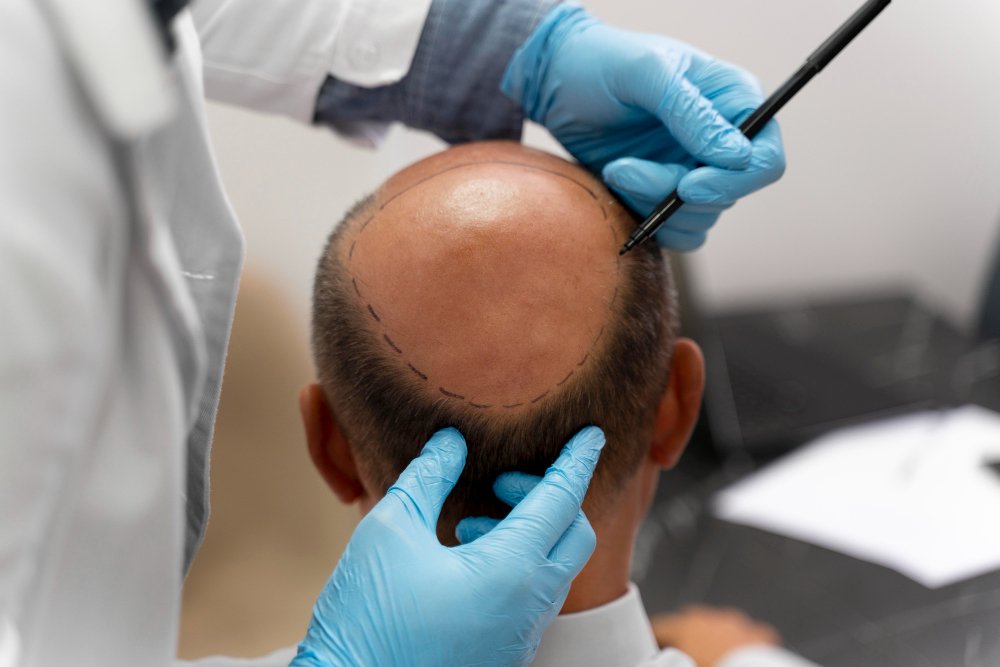
Hair loss can affect individuals of all backgrounds. While hair transplant procedures are common, a number of misconceptions remain. Knowing the facts is helpful when considering this permanent solution. This article addresses several widespread myths, presenting clear and concise information to help readers make informed decisions.
The Timeline
There is a common concern that hair transplants involve significant pain. The modern process uses local anesthesia, so the scalp is numb, and patients typically remain awake throughout the procedure. Most experience only minimal discomfort during the process, and after the anesthesia wears off, some swelling or soreness may occur. Over-the-counter medicine manages these symptoms, and patients recover quickly.
It is often thought that a hair transplant gives immediate coverage, but this is inaccurate. The transplanted hair initially sheds, which is a normal response. Hair regrowth usually starts after a few months. Visible improvement generally appears by the sixth month, and complete results can take up to eighteen months. The gradual change ensures a look that integrates well with natural hair.
A common myth suggests these procedures benefit only men. This is false because hair restoration can be adapted for everyone. Women with thinning hair or certain types of hair loss are also suitable candidates. Specific surgical techniques are employed to achieve results that work for a range of hairlines and density patterns, providing a natural appearance for everyone.
The Technology
Older transplant techniques resulted in unnatural outcomes, but advances in the field have improved results. Surgeons now place small follicular units to match the angle and direction of existing hair. When performed correctly, the outcome blends with surrounding hair, and it rarely appears artificial to observers.
Concerns about prolonged recovery and visible signs are largely outdated. Modern techniques minimize invasive steps and do not leave large scars. Most people resume routine activities within several days, provided they avoid strenuous tasks for a short period. Healing is generally uneventful, and any visible changes tend to fade promptly.
The Hair Transplant
A common misunderstanding is that hair transplants can use follicles from a friend or relative. This is not possible due to the body’s immune system, which identifies transplanted tissue from another person as foreign. This triggers immune rejection, preventing successful graft survival. All hair used in transplantation must come from areas of the patient’s own scalp that are genetically resistant to balding—typically the back or sides. This approach ensures the body accepts the grafts and that transplanted hair will grow as expected, both in texture and appearance.
There is a belief that only people within a limited age range are suitable for hair transplantation. Younger adults, especially those in their early twenties, may be advised to wait if their hair loss is evolving rapidly, since transplantation at this stage could require further sessions as the pattern changes. Conversely, older adults—even those in their seventies—can be good candidates if they are medically fit and have stable, established hair loss with sufficient donor hair. Surgeons assess each case individually by evaluating medical history, extent of loss, and quality of remaining hair.
Find A Specialist
Hair transplant techniques now offer effective, long-lasting outcomes, but misconceptions are common. Understanding the procedure’s realities is helpful before deciding. Consulting with an experienced hair restoration specialist can clarify eligibility and address individual concerns. Clear knowledge helps remove barriers caused by persistent myths and allows for informed choices. Find a specialist near you for a consultation.
Leave a Reply