
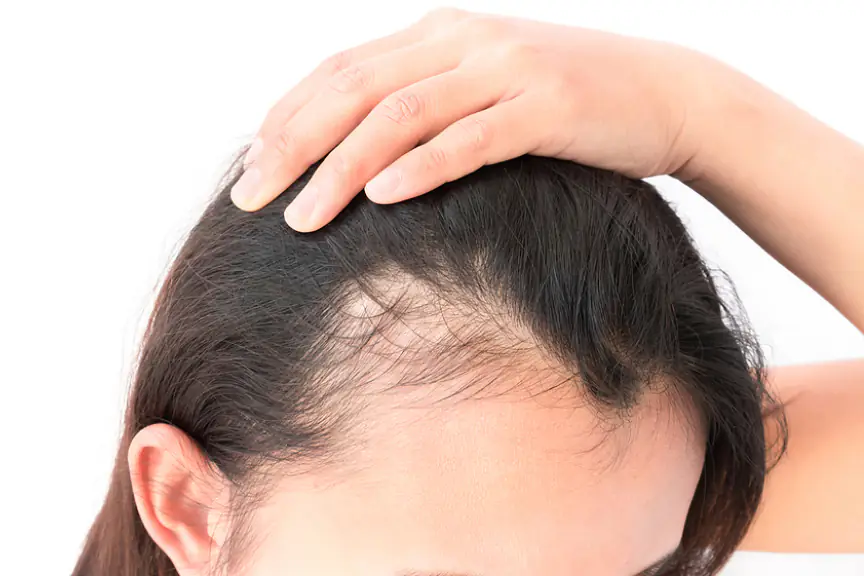
Hair thinning is a common experience for many adults. It can manifest as a gradual reduction in hair density or a more sudden shedding. Understanding the clinical factors behind hair thinning and hair loss can help you navigate your options and know when to seek professional guidance.
What Causes Hair Thinning?
Various clinical factors can contribute to hair thinning. These range from genetic predispositions to lifestyle and medical conditions. A single cause or a combination of elements may influence the health of your hair follicles, leading to changes in hair density and thickness over time. Identifying the specific contributors is a key step in managing hair loss.
- Hereditary patterns
- Hormonal changes
- Medical conditions
- Medications and supplements
- Nutritional deficiencies
- Stressful events
The complexity of hair loss means that its origins are not always straightforward. For instance, telogen effluvium is a type of hair shedding that can occur after a significant physical or emotional shock. Other times, an underlying health issue could be the primary reason for the change in your hair’s volume. A thorough evaluation can pinpoint the specific factors at play.
What Treatment Options Exist?
Several pathways are available for managing hair thinning. These options are generally categorized as over-the-counter products or prescription-based treatments. The right approach for you depends on the underlying cause of your hair loss and its severity.
Over the Counter
You can find various products designed to address hair thinning at most drugstores. Topical treatments containing minoxidil are widely available and approved for both men and women. These products work by stimulating hair follicles to promote regrowth. Shampoos and serums formulated with ingredients like biotin and ketoconazole may also support a healthy scalp environment, which is fundamental for hair growth.
Prescription
When over-the-counter options are not sufficient, a healthcare provider may suggest prescription treatments. For men, oral finasteride is a common medication that works by blocking the hormone associated with male pattern baldness. Other oral medications, such as spironolactone, are sometimes prescribed for women experiencing loss of hair linked to hormonal imbalances. In some cases, corticosteroid injections may help manage hair loss caused by specific inflammatory conditions.
When Is Evaluation Recommended?
Seeking a professional evaluation is a good step if you notice sudden or patchy hair loss, or if thinning is accompanied by scalp itching, pain, or redness. You might also want to consult a professional if it is causing you distress or if over-the-counter remedies have not produced the desired results after several months of consistent use. A timely evaluation can help identify the root cause.
A healthcare provider can perform a physical examination of your scalp and may recommend blood tests to check for nutritional deficiencies or underlying medical conditions. This comprehensive approach helps create a tailored management plan. Getting a professional opinion gives you clarity and direction.
Consult a Hair Loss Specialist
Understanding the factors contributing to your hair thinning is the first step toward finding a solution. A hair loss specialist, such as a dermatologist, can offer an accurate diagnosis and guide you through the available treatment options. They will assess your specific situation, review your medical history, and help you create a personalized plan. Consulting an expert can provide you with the support and information needed to manage your hair health effectively. Schedule an appointment to discuss your concerns and explore your next steps.
Leave a Reply