
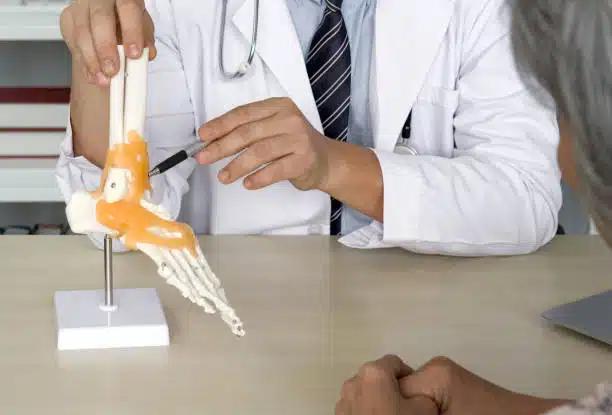
Selecting a medical provider significantly influences your recovery. You need a skilled professional who understands your specific condition. An orthopedic surgeon specializes in treating musculoskeletal system disorders effectively. Here is some information on steps to find a qualified provider who meets your needs.
What Procedures Are Specialized?
Medicine encompasses many complex areas of study and practice. Orthopedics focuses specifically on bones, joints, ligaments, tendons, and muscles. Identifying an orthopedic surgeon within this broad field narrows your search effectively.
- Sports Medicine: Doctors treat injuries resulting from athletic activities. They focus on repairing soft tissue damage like ligament tears or tendon strains.
- Joint Replacement: Surgeons focus on replacing damaged joints like hips or knees. They often work with older adults who suffer from arthritis or degenerative conditions.
- Spine Surgery: This area addresses back and neck problems comprehensively. These specialists treat conditions ranging from herniated discs to spinal stenosis.
- Hand and Upper Extremity: Specialists treat issues from the fingertips to the shoulder. They manage complex structures involving small bones and intricate nerve pathways.
Focus on the specific body part requiring medical attention. A generalist treats a wide range of musculoskeletal issues competently. A specialist possesses deep knowledge about one specific area or procedure.
What Is the Treatment Approach?
Surgical Versus Non-Surgical Options
Doctors approach healing pathways in various ways depending on their training. Some prioritize physical therapy or medication before suggesting an operation. Ask about conservative management strategies during the initial consultation.
Surgery presents risks and requires dedicated recovery time. A balanced approach often yields better long-term results for the patient. Understanding the philosophy helps align your expectations with the treatment plan.
Technology and Innovation
New tools assist doctors in the operating room regularly. Robotic systems aid in precision during complex surgical tasks. Ask the orthopedic surgeon about the specific equipment they utilize.
Advanced techniques potentially reduce recovery times for many patients. Hospitals invest in these technologies to improve clinical outcomes. Researching these advancements provides valuable talking points for your visit.
How Is Patient Communication?
Effective communication between the patient and the provider is necessary for building trust. You should feel at ease asking questions about your diagnosis or treatment plan, and the doctor should explain medical terms in a simple, clear way without rushing. This open dialogue helps make sure you fully understand your care and be confident in the process.
The responsiveness of the office staff also plays a key role in your experience. A helpful team makes scheduling appointments and handling billing stress-free by answering calls and returning messages promptly. Clear, detailed instructions for recovery are equally valuable, giving you a roadmap for successful healing and preventing confusion about your rehabilitation process.
Consult an Orthopedic Surgeon
Taking the time to research your options can make a significant difference in your long-term health. Start by checking the credentials of potential providers to make sure they have the necessary qualifications and experience. Once you’ve narrowed down your choices, schedule a consultation to meet the orthopedic surgeon in person. This is an opportunity to ask questions, discuss your specific concerns, and verify their expertise aligns with your needs and goals. Book an appointment and take the first step toward improved mobility and a healthier future.
Leave a Reply