
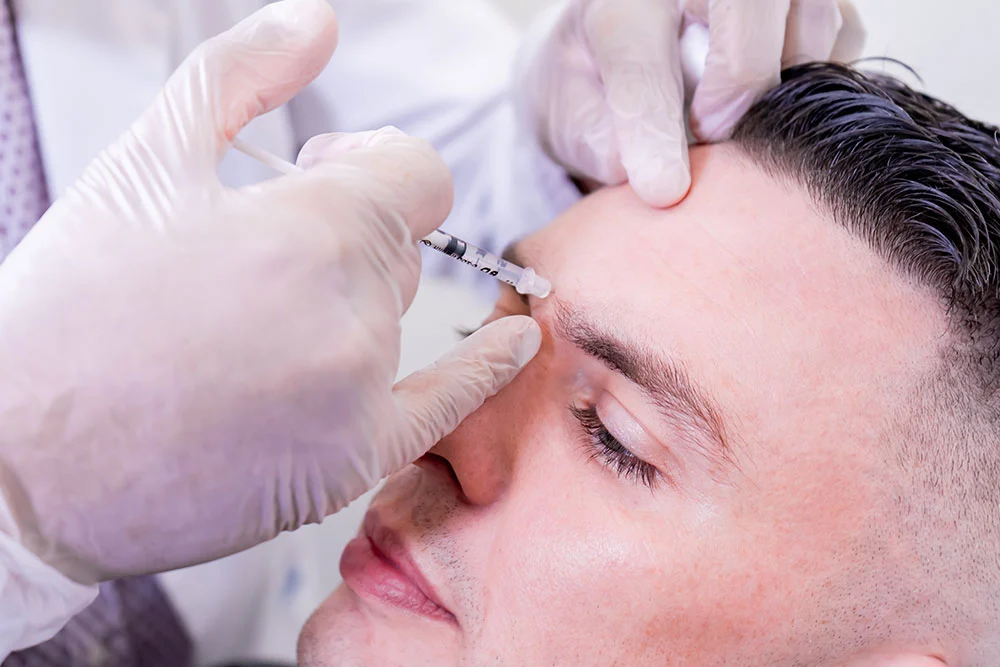
Chronic migraines affect millions of people, disrupting daily routines and diminishing quality of life. For those who experience frequent, debilitating headaches, finding an effective management strategy becomes a primary goal. Botox injections have emerged as a potential option for individuals struggling with this condition. While many associate Botox primarily with cosmetic procedures to reduce wrinkles, it also serves a functional purpose in pain management. Understanding how this treatment works allows patients to make informed decisions about their health care.
How Does Botox Help Migraines?
Botox isn’t just for cosmetic use; it’s also an effective treatment for chronic migraines. By targeting the nerves responsible for pain, Botox can help reduce the frequency of headache days and improve the quality of life for those who suffer from frequent migraines.
How Botox Works for Migraines:
- Blocks pain signals: Botox is injected around pain fibers involved in headaches, stopping the release of chemicals that transmit pain.
- Prevents activation of pain networks: It interrupts pain pathways before they begin, acting as a roadblock for headache triggers.
- Targets chronic sufferers: This treatment is typically recommended for adults with headaches on 15 or more days per month.
- Cumulative benefits: Results build over time, with regular treatments reducing headache frequency and improving daily function.
While results may not be immediate, consistent Botox treatments can significantly decrease the number of headache days and help patients regain control of their daily routines. Consult a healthcare provider to see if this option is right for you.
What Is the Procedure?
A typical session involves a series of small injections. The doctor uses a very fine needle to inject the solution into shallow muscles in the skin. Sites usually include the forehead, temples, back of the head, and neck. The entire process takes about 15 minutes.
Most patients tolerate the injections well. Some describe the sensation as a small pinprick. Doctors may use ice packs to numb the area beforehand to increase comfort. You can usually return to your normal activities immediately after leaving the office.
Side effects are generally mild and temporary. You might notice some neck pain or stiffness at the injection site. Drooping eyelids or muscle weakness can occur but remain rare. Discussing your full medical history helps the provider determine if this path suits your needs.
How Long Does Relief Last?
The effects of Botox for migraines are temporary, requiring repeat treatments to maintain the benefits. Most specialists recommend treatments every 12 weeks to help reduce headache frequency consistently. Patients often find that relief improves after the second or third session, as the body takes time to respond to the therapy.
Consistency is key to the success of Botox treatment for migraines. Skipping appointments can cause frequent migraines to return, as pain pathways may reactivate without regular treatment. Keeping a headache diary can help track your progress and allow your doctor to adjust your treatment plan as needed.
Consult a Specialist
To determine if Botox is right for you, start by consulting a neurologist or headache specialist who can evaluate your symptoms, medical history, and past treatments. They will guide you through the process, help set realistic expectations, and check if your insurance will cover the procedure, as many plans require proof that other treatments have failed. If you struggle with chronic migraines, schedule an appointment to discuss your symptoms.
Leave a Reply