
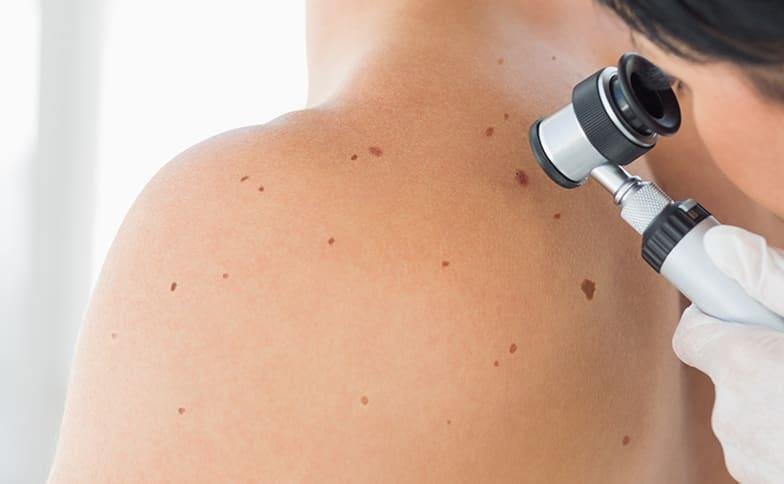
Skin serves as a protective barrier. It shields us from environmental stressors, and it regulates body temperature. Proactively monitoring changes in the skin supports long-term wellness by helping identify early signs of skin cancer. Early detection of skin cancer brings practical advantages, making it a fundamental part of a routine health strategy. Understanding these advantages can help people approach skin checks with clarity and a proactive stance. Here are several benefits of detecting skin changes early:
Identifying Simpler Management Paths
Spotting skin changes at an early stage can lead to straightforward management strategies. Rather than dealing with larger issues that require complex solutions, addressing a skin concern immediately after noticing it generally results in less extensive interventions. Superficial cancers include basal cell carcinomas, and they are removable through excisional surgery.
Smaller areas involved may mean less time spent resolving the issue, potentially reducing recovery time. Addressing skin cancer concerns before they develop further sometimes prevents unnecessary interruptions to work or family life. This approach increases efficiency, and it can make returning to normal routines easier.
Supporting Better Cosmetic Outcomes
Responding to skin concerns while they remain minimal typically provides more favorable cosmetic results. Skin cancer can spread over time. Because the affected areas are smaller initially, the required adjustments tend to be less visible. Addressing changes early can lead to smaller scars or less noticeable effects after treatment. This preservation of the skin’s natural appearance supports aesthetics; it also contributes to quicker healing, as early detection and treatment are associated with reduced scarring and better cosmetic outcomes. Whether changes appear in a visible area, such as the face, or a less noticeable location, addressing them promptly helps maintain a consistent appearance.
Establishing a Personal Health Baseline
Building a habit of early detection involves creating a helpful frame of reference for overall health. Regular skin checks can be conducted at home and with professionals, and they produce a baseline that outlines what is normal. This awareness of freckles, moles, and other skin features enables a more accurate identification of future changes. Developing this routine can also help individuals to spot unusual changes quickly and respond in a timely manner.
A list of basic steps for establishing a baseline might include:
- Observing skin patterns and documenting unique features
- Scheduling regular visual self-exams and professional evaluations
- Taking periodic photos to track changes over time
- Noting the size, color, and shape of moles or spots
- Reporting new or changing areas to a healthcare professional
Learn More About Skin Cancer
Detecting changes early enables simpler management, improved cosmetic outcomes, and a clear health baseline. Regular skin checks reinforce personal health routines, and they can sharpen attention to subtle skin changes. Evaluate your skin health habits, and set aside time for a self-check using good lighting and mirrors. These steps allow you to identify unusual symptoms, such as waxy red bumps, scaly lesions, and moles that change shape or size. If you have not done so recently, schedule a professional screening today to check for signs of skin cancer.
Leave a Reply