
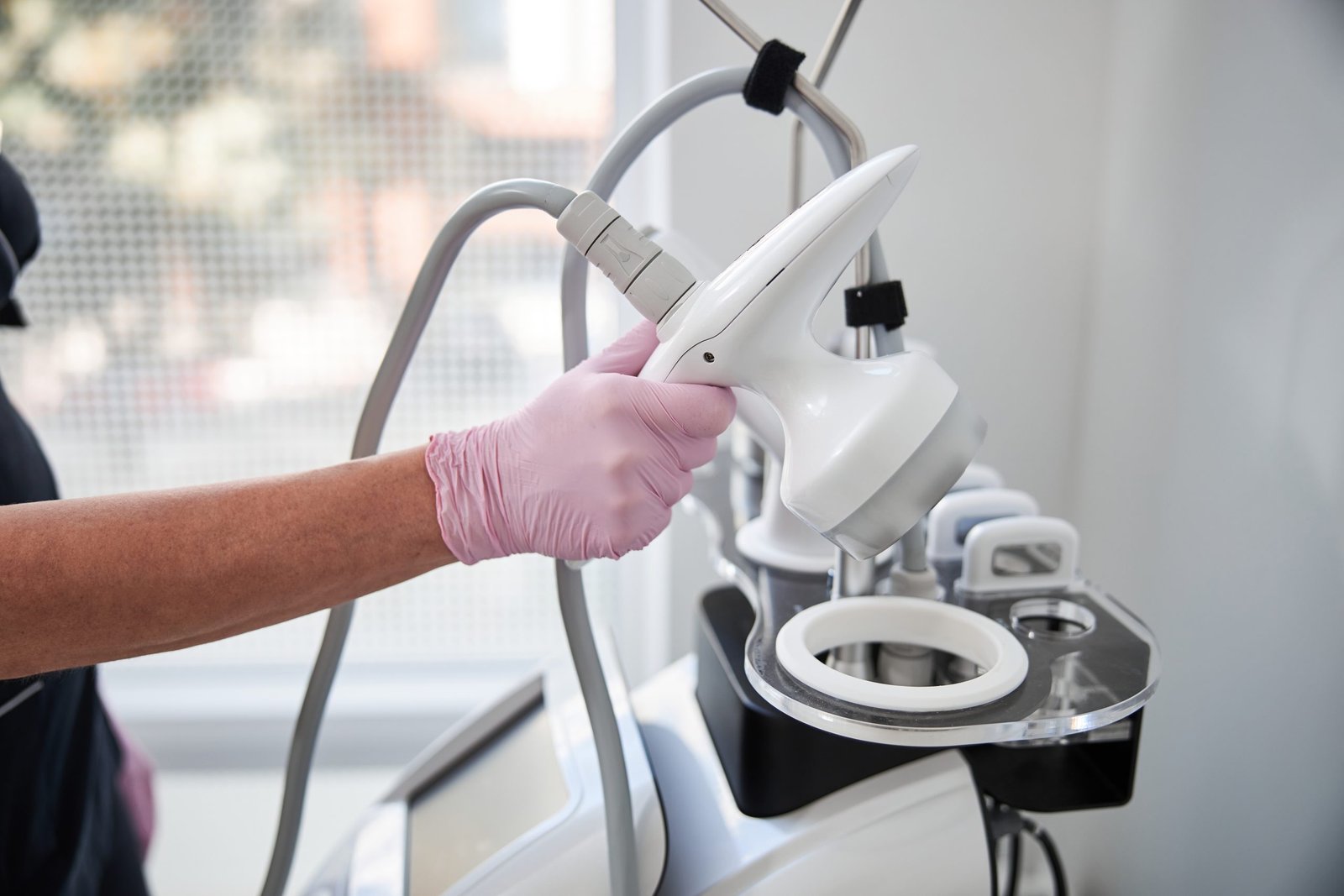
Dermatology has changed rapidly in recent years. Once focused on basic topical treatments and standard procedures, the field now includes advanced medications, specialized lasers, and modern surgical methods. These developments have improved how clinicians detect, treat, and manage both common and complex skin conditions, leading to better patient outcomes across medical and cosmetic care.
Skin Cancer and Surgical Advances
Skin cancer is the most commonly diagnosed cancer in the United States, making early detection and treatment essential. Advances in diagnostic tools and treatment options have improved outcomes, but surgery remains the primary method for removing cancerous skin lesions. Dermatology helps with preventative measures and treatment.
Mohs micrographic surgery has become the standard approach for treating basal cell and squamous cell carcinomas. During this procedure, physicians remove thin layers of cancerous tissue and examine them under a microscope. The process is repeated until only healthy tissue remains. This technique ensures complete cancer removal while preserving as much healthy skin as possible, which helps reduce scarring.
Advances in Medical Dermatology
Significant progress in medical dermatology has improved care for individuals with chronic and acute skin disorders. New combinations of blue light therapy and topical medications now target acne-causing bacteria more effectively. For persistent cases, clinicians may combine medical and laser-based treatments to improve results.
Eczema is now treated with biologic medications that target specific immune pathways, improving symptom control. Actinic keratosis, often caused by sun exposure, is treated with cryotherapy, topical drugs, or photodynamic therapy, offering effective and simple solutions.
Rosacea is managed with medications and advanced laser therapies to reduce redness and control symptoms. Warts, caused by HPV, are treated with cryotherapy and immunotherapy, reducing recurrence. Personalized skin care routines now include cleansers, moisturizers, serums, and prescription products for better skin health. Hair loss treatments like platelet-rich plasma therapy, medications, and laser devices address various causes for men and women.
Cosmetic Dermatology and Technology
Cosmetic dermatology offers a wide range of minimally invasive procedures with effective results and short recovery times. Laser hair removal targets hair follicles using focused light to provide long-lasting hair reduction. Microneedling uses fine needles to stimulate collagen production, improving texture and reducing scarring.
Botox injections temporarily relax facial muscles, smoothing fine lines and wrinkles with minimal downtime. Dermal fillers restore volume and provide subtle enhancements to areas such as the cheeks and lips. Advanced laser treatments address pigmentation, vascular lesions, and scarring with precision and minimal recovery.
Additional procedures include microdermabrasion, which exfoliates dead skin cells for a brighter appearance, and Hydrafacial treatments that combine cleansing, exfoliation, extraction, hydration, and antioxidants. Chemical peels improve skin tone and texture by removing damaged layers. IPL (Intense Pulsed Light) helps reduce redness and sun damage, while Laser Genesis stimulates collagen and improves skin clarity. Secret PRO combines radiofrequency microneedling with CO₂ laser energy to support skin tightening and resurfacing.
Find a Clinic
Dermatology continues to evolve as new diagnostics, treatments, and procedures become available. Innovations in surgery, medications, and cosmetic techniques now provide targeted, efficient, and minimally invasive solutions for a wide range of skin concerns. Consulting a board-certified dermatologist ensures access to these advanced options and supports long-term skin health. Find a clinic to check your skin health.
Leave a Reply