
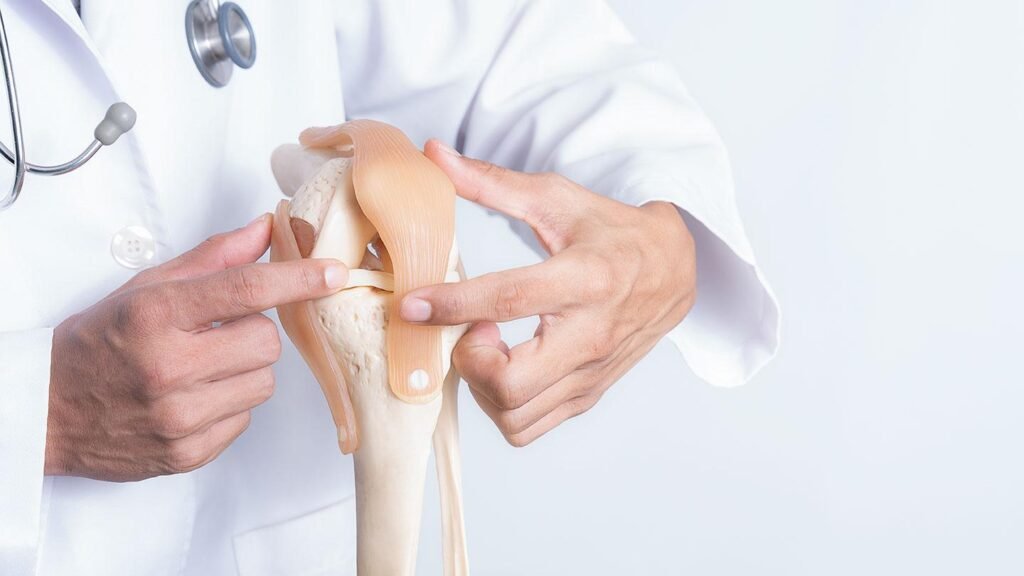
The process of receiving healthcare for musculoskeletal issues can be complex. Understanding how to navigate the system is key to managing your health. This process involves several different stages, from diagnosis to recovery. A focused plan helps you get the right care for your specific orthopedic condition.
Understanding Your Care
Your care often begins with an initial consultation, which helps establish a diagnosis and outline a potential care plan. This first step in your orthopedic treatment plan is fundamental. Following this, you may be referred to specialists for diagnostic imaging, so it is helpful to understand the sequence of events and what each stage entails. A personalized care plan can help set expectations for the entire process.
Knowing Your Treatment Options
When managing musculoskeletal conditions, it’s helpful to explore all your treatment options. Some factors that may help inform your decision-making process include:
- Conservative Management: Start with non-invasive treatments like physical therapy, medications, or lifestyle changes.
- Surgical Intervention: For severe cases, surgery might be necessary to address the issue.
- Seek Second Opinions: Consulting multiple healthcare professionals can provide a broader perspective on your options.
- Research Advancements: Stay informed about the latest treatments and technologies in musculoskeletal care.
- Participate in Decision-Making: Take a role in understanding your choices to make sure they align with your health goals and circumstances.
Preparing for Appointments
Preparation can improve the value of your appointments with medical professionals. Before your visit, it is helpful to compile a list of your symptoms, questions, and any relevant medical history. This preparation helps to make sure you cover all your concerns during the limited time you have. You should also bring a list of your current medications and any previous test results, as this information provides your specialist with an idea of your health status.
Communicating With Specialists
Establishing clear and open communication with your specialist is beneficial to your patient-reltionsip with your provider. A dialogue between you and your care team can help keep you aligned on your recovery goals. To help build open communication during your consultation, you can try:
- Ask for Clarification: Ask questions if you do not fully understand a diagnosis, proposed treatment, or specific care instructions.
- Be Precise: Articulating your symptoms and concerns helps your specialist make a more informed and precise assessment.
- Prioritize Honesty: Engaging in an honest dialogue builds trust and helps make sure your treatment plan is tailored to your orthopedic care.
Managing Recovery at Home
The recovery phase after treatment is a step toward recovery. Following the post-treatment plan provided by your specialist is beneficial to a successful outcome. This may involve performing prescribed exercises, managing discomfort as instructed, and attending follow-up appointments. Proper home management can support a smoother and more efficient recovery while reducing the risk of complications.
Take Control of Your Orthopedic Care
Navigating the orthopedic care system involves active participation, from understanding your initial diagnosis to managing your recovery. By preparing for appointments, communicating clearly, and educating yourself about your options, you play a role in your own healthcare. To begin recovery, schedule a consultation with a qualified specialist.
Leave a Reply