
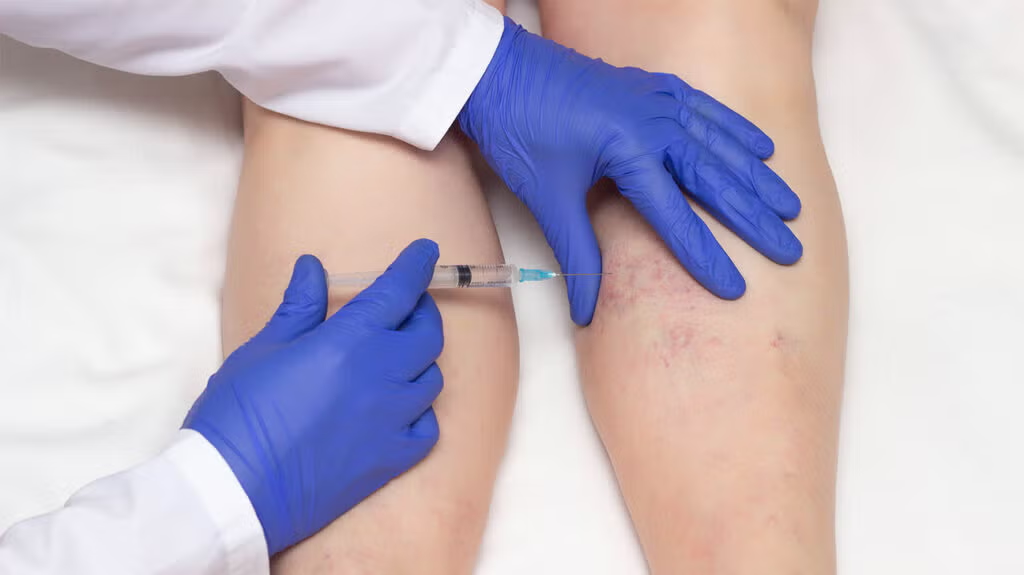
Spider veins and varicose veins are common vascular concerns. Sclerotherapy is a procedure widely used to treat these conditions. The technique has a decades-long history. Medical professionals use it to target visible, abnormal veins and reduce related symptoms. This article provides a factual overview of sclerotherapy, how it works, what to expect, and possible side effects.
What Is Sclerotherapy?
Sclerotherapy treats spider veins and some varicose veins. The method has been in medical use since the 1920s. It involves injecting a liquid chemical into the affected blood vessel. This solution irritates the vessel lining, causing it to swell and close. After closure, blood moves through healthier veins, and the treated vein gradually fades. The procedure focuses on reducing both appearance and uncomfortable symptoms, like minor swelling or burning.
This technique does not require anesthesia. It is performed in a medical office setting. Most patients do not experience significant discomfort, though minor stinging can occur. Treated veins are often less visible within a few weeks, but the exact timeline can differ based on the individual and the number of veins treated.
What Happens During?
A typical sclerotherapy session takes 15 minutes to an hour. The doctor begins by cleaning the area. Using an ultra-fine needle, the provider injects the solution into the targeted veins. Several injections may be administered, depending on the number of veins involved. The needles used are fine and generally cause little pain. Patients may notice slight stinging or discomfort when the needle enters the skin or when the solution is injected.
Once each injection is complete, the doctor applies compression and massages the area. This step helps keep the solution in place and prevents blood from re-entering the closed vein. The process is repeated as many times as needed to address visible veins. Patients are often asked to stand or move their legs during or after the session to encourage healthy blood flow.
What Are The Results?
After sclerotherapy, patients can usually resume daily activities immediately. Doctors advise wearing compression stockings or bandages for about three weeks to support healing. These garments help keep the treated veins compressed and reduce swelling. Patients should also avoid direct sun exposure on treated areas until they are fully healed. Sun protection reduces the risk of pigmentation changes.
Results can vary. Some patients see veins fade after one session. Others may require repeat procedures, which are typically scheduled four to six weeks apart. Adhering to aftercare instructions is important for optimal results and reduced risk of side effects. Walking and light movement are encouraged soon after the procedure.
Find Help Today
Sclerotherapy is a common and effective treatment for spider veins and some varicose veins. The process is straightforward and performed in a doctor’s office without anesthesia. After treatment, most individuals return to regular activities on the same day. Wearing compression clothing, protecting treated skin from the sun, and following medical advice contribute to the best outcomes. Side effects are possible, but most are mild and temporary; serious complications are rare. Individuals considering sclerotherapy should consult a qualified healthcare provider. This ensures the treatment is appropriate based on personal health and vein concerns.
Leave a Reply