
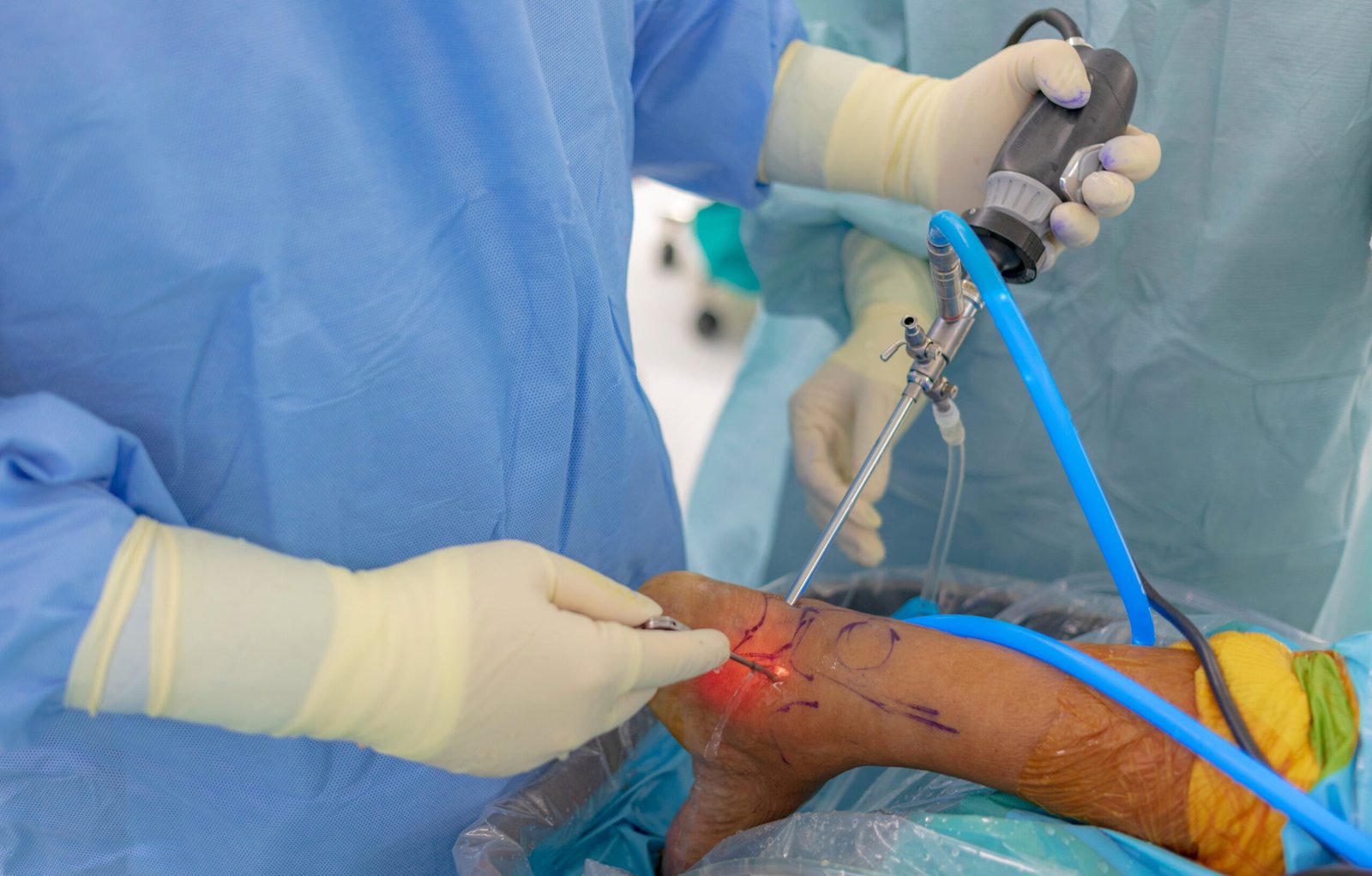
Because chronic ankle pain frequently limits daily mobility, medical professionals utilize arthroscopy for accurate diagnosis and repair. Ankle arthroscopy involves inserting a small, specialized camera into the joint space for inspection. This instrument provides a clear internal view, and it guides the surgeon during the procedure. You gain clarity on your specific ankle condition through this minimally invasive surgical method.
Less Tissue Damage
Surgeons access the ankle joint without detaching major muscles during this procedure. Because the instruments are thin, they slide between structures without causing significant damage. The joint remains stable during surgery, and the surrounding tissues stay largely intact and healthy. This preservation of natural anatomy supports the long-term health and stability of your ankle joint.
Less tissue damage means minimal internal scarring, and this may allow a better range of motion. Since the body has less healing to do, swelling decreases rapidly after the operation. Your ankle may retain its natural strength throughout the healing process and rehabilitation period. The surgeon works efficiently within the joint, and healthy tissue remains undisturbed nearby.
Reduced Pain
Patients may have significantly less discomfort following this surgical approach to treatment. Open surgery involves cutting muscle layers, but arthroscopy spares these sensitive soft tissues from trauma. Because the physical impact on your ankle is minimal, your body recovers more comfortably. You typically need fewer strong pain medications during the initial days of recovery.
While pain thresholds vary by person, individuals typically manage their post-operative discomfort quite easily. Your surgical team creates a personalized pain management plan that addresses your specific needs. Medications alleviate immediate soreness, and ice packs are used to reduce inflammation around the ankle joint. When you follow these instructions closely, your comfort levels may improve steadily over the first week.
Reduced pain levels allow for earlier movement, and this facilitates a quicker return to routine. As inflammation subsides quickly, you regain function faster than with traditional open surgery procedures. You start walking sooner, and your overall rehabilitation timeline shortens noticeably for most patients.
Smaller Incisions
Because the camera is tiny, the surgeon only requires very small portals for access. The surgeon makes buttonhole-sized cuts, and these require fewer stitches than standard surgical incisions. Large incisions increase the risk of infection, whereas smaller openings protect the body against external bacteria. You will have minimal scarring once the small puncture wounds heal completely.
Minimal Risks
Every surgical procedure carries some level of risk for the patient involved in treatment. Complications are rare with arthroscopy, yet you must understand the potential issues before proceeding. While the equipment is sterile, infection remains a possibility for any surgical site opening. Nerve injury or blood vessel damage may occur during these specific ankle procedures.
Potential complications include:
- Infection at the incision sites
- Swelling or bleeding
- Damage to nearby nerves
- Blood clots in the legs
- Instrument breakage
Schedule Ankle Arthroscopy Today
If you experience chronic ankle issues, our team is ready to help you find relief. Because early treatment prevents further damage, schedule a consultation with a foot and ankle specialist. Experts can evaluate your condition to determine if arthroscopy fits your medical needs. Contact a foot and ankle office today, and take the first step.
Leave a Reply