
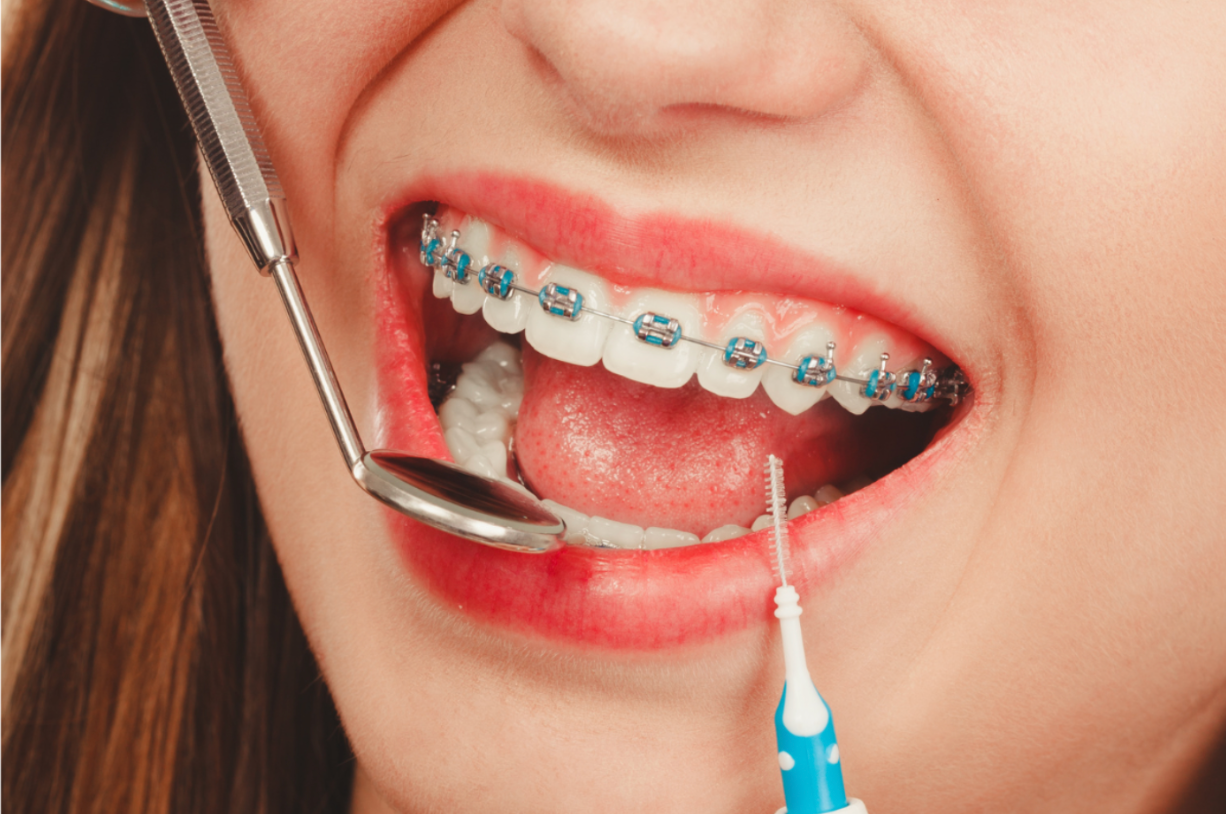
While braces align teeth effectively, they create multiple, difficult hiding spots for trapped food particles. Metal brackets and wires easily trap sticky food debris against the exposed tooth enamel. Plaque accumulates quickly around these appliances, and the risk of decay may increase without proper daily care. Here are some tips for maintaining adequate oral hygiene when you have braces:
Avoid Sticky Foods
Hard foods damage wires, and sticky substances cling to brackets and bands. Chewy candies can unexpectedly pull brackets off the tooth surface during heavy chewing. Because repairs take time, watching your diet prevents unnecessary additional orthodontic office visits. If you eat caramel, it sticks to the hardware for many hours.
While popcorn tastes good, the hulls lodge painfully in the delicate gum line. Gum adheres to metal parts, and removing it typically requires professional help. Choose softer options such as yogurt or applesauce instead of crunchy snacks. Nuts may break brackets easily, so avoid them throughout your treatment duration.
Brush After Each Meal
Food can become trapped in brackets immediately after you finish eating your meal. Because debris sits on teeth, harmful bacteria multiply rapidly in the moist mouth environment. Remove these particles promptly, or acid may damage the tooth enamel, causing discoloration. If plaque remains undisturbed, it hardens into tartar.
A standard toothbrush works well, but an interdental brush reaches tighter spaces much better. These small, cone-shaped brushes slide under the wire without any difficulty. If you manipulate the brush gently, it cleans the sides of the brackets thoroughly. This specific tool targets difficult areas that a normal toothbrush often misses.
When you cannot brush immediately, rinsing with water helps dislodge loose food debris. Water flushes away larger pieces, yet it does not replace a thorough brushing session. Carry a travel toothbrush for convenient cleaning while on the go. Brushing removes sticky sugars, and it neutralizes acidity levels in your saliva.
Use a Floss Threader
Traditional flossing becomes difficult with a metal wire blocking the path between teeth. A floss threader guides the floss under the archwire so you reach the gum line. Thread the floss through the eye, and pass it under the wire carefully. Use the floss threader with these steps:
- Pull the floss gently between two teeth.
- Curve it around the side of the tooth.
- Slide up and down to remove plaque.
Keeping your teeth and gums clean is significant for maintaining oral health during orthodontic treatment. Brushing after every meal is helpful when you are wearing braces. While it may take extra time and effort, flossing daily using a threader helps prevent plaque build-up, ensuring healthier teeth and gums in the long run.
Attend Regular Check-ups
Your orthodontist monitors the movement of your teeth during these scheduled visits. They adjust the wires for progress, and they check for potential hygiene issues. Since plaque hides well, professional cleaning removes buildup that you might miss daily. These appointments allow the staff to spot early signs of decalcification.
Schedule a Visit for Braces
If you suspect a broken bracket or need instructions for personal hygiene, call an orthodontic office right away for guidance. Prompt attention may prevent delays in your overall treatment plan timeline. Contact an orthodontist today, and they can schedule your next appointment.
Leave a Reply