
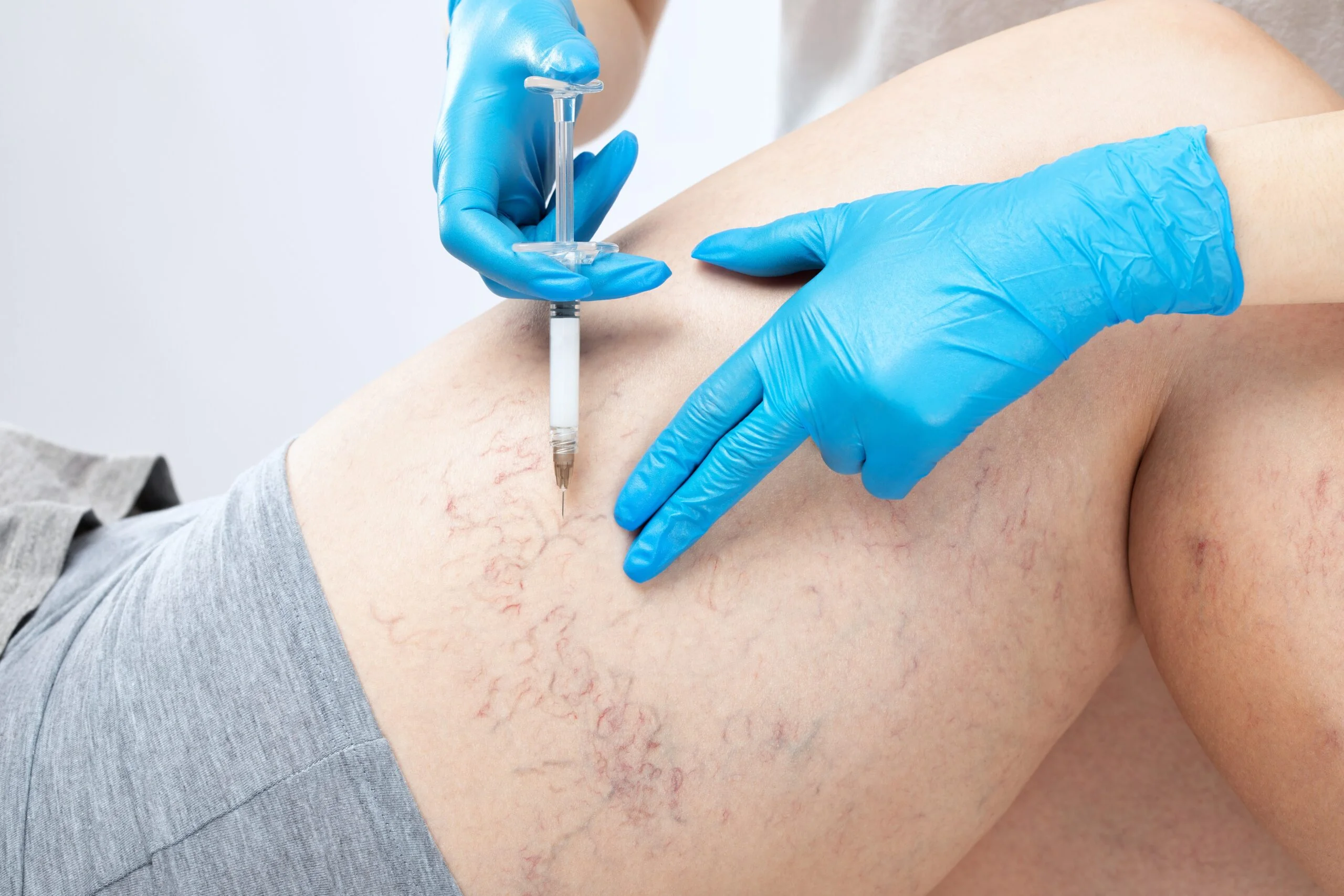
Visible veins on the legs or face often cause people to feel self-conscious about their appearance. Many individuals seek ways to reduce these marks to feel more confident in their skin. Understanding the available methods for spider vein removal helps you make informed decisions about your body.
What Are Spider Veins?
Spider veins appear as small, damaged veins on the surface of the legs or face. They usually look like thin, web-like lines and can be blue, purple, or red. These veins differ from varicose veins, which are larger, swollen, and raised above the skin’s surface. Spider veins generally do not cause pain, though some people report minor discomfort or itching in the affected area.
Several factors contribute to the development of these visible veins. Genetics often plays a significant role, meaning you might see them if your parents had them. Hormonal changes during puberty, pregnancy, or menopause also increase the likelihood of their appearance. Prolonged standing or sitting can restrict blood flow, which may lead to the formation of these veins over time.
Which Non-Invasive Options Exist?
Laser Therapy
Laser therapy is a non-invasive option for spider vein removal, particularly smaller veins on the face. During the procedure, specialists use focused light energy to target the pigment in the blood. The heat from the laser damages the vein, which eventually disappears as the body processes the tissue. With no needles or incisions involved, this method is ideal for individuals who are uncomfortable with injections.
Intense Pulsed Light (IPL) Therapy
Another option is Intense Pulsed Light (IPL) therapy, which works similarly to laser treatment but uses a broader spectrum of light. The light penetrates the skin to reach targeted veins without harming the surface layer. Heat destroys the vein walls, and the body gradually clears the debris. While effective, IPL typically requires multiple sessions to achieve optimal results.
How Effective Are Treatments?
The effectiveness of your treatment will depend on your specific condition and the method used. Laser treatments typically show gradual improvement over several weeks as the body absorbs the treated veins. While small spider veins might disappear immediately, larger ones take longer to fade. The treatment’s success can also be influenced by your skin type and the color of your veins. To avoid discoloration, darker skin tones may require specific types of lasers.
IPL therapy generally provides more subtle, progressive results over a series of sessions. This approach works best on smaller veins and may not be the ideal choice for larger or deeper ones. Staying consistent with your appointments will help you get the best possible outcome. While these treatments can reduce existing veins, they don’t prevent new ones from forming.
Consult a Spider Vein Removal Specialist
Choosing the right treatment for spider veins starts with guidance from a qualified vein specialist. During a consultation, they will assess your skin, review your medical history, and recommend the best approach for your needs while explaining the risks and benefits of each option. This is also your chance to ask questions and set realistic expectations for the results. If you’re ready to improve your confidence and skin appearance, reach out to a certified specialist who can create a personalized treatment plan.
Leave a Reply