
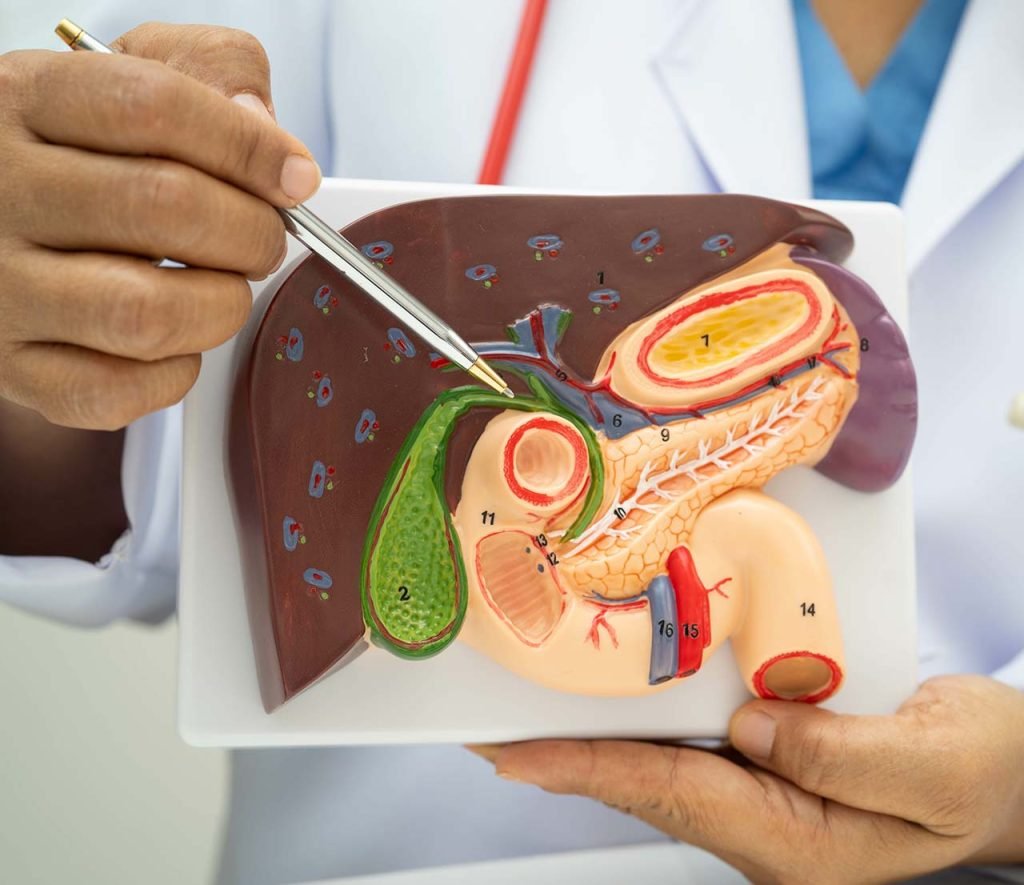
Cancer is caused when the body’s normal cells become cancerous, multiplying and spreading throughout the organs and body. Pancreatic cancer develops in the tissues of the pancreas and often remains undetected until later stages. Managing this condition may require a coordinated approach to address malignant cell growth within the digestive system. There are several risk factors for different types of cancers, including Crohn’s Disease and smoking. Here is more information about pancreatic cancer and some options for treatment:
Crohn’s Disease and Other Risk Factors
Common conditions such as Crohn’s Disease may be correlated with a higher risk for developing certain types of cancers over time. Medical professionals may often monitor patients with long-term inflammation to identify early signs of secondary health issues. Genetics and lifestyle factors also contribute to the overall probability of a diagnosis.
Smoking is a risk factor that increases the likelihood of pancreatic malignancy. Chronic pancreatitis, characterized by long-term inflammation of the pancreas, creates a environment susceptible to tumor formation. Family history and certain inherited gene mutations account for some cases. Maintaining a healthy weight and managing diabetes are proactive steps for reducing overall risk.
Surgical Treatment Options
Surgery can be used to remove localized tumors within the pancreatic structure. The Whipple procedure involves the removal of the head of the pancreas, a portion of the small intestine, and the gallbladder. Surgeons perform this operation when the cancer has not spread to distant sites or major blood vessels. Total pancreatectomy serves as an alternative if the malignancy affects the entire organ.
Distal pancreatectomy targets tumors located in the tail or body of the pancreas. During this procedure, the surgeon may also remove the spleen to attempt to completely remove the affected tissue. Minimally invasive techniques like laparoscopy allow for smaller incisions and potentially faster recovery times. Palliative surgery focuses on relieving symptoms such as bile duct blockages rather than curative removal.
Radiation and Chemo Therapy
Chemotherapy utilizes powerful medications to destroy cancer cells or inhibit their ability to replicate. Doctors administer these drugs orally or through an intravenous line to reach cells throughout the body. Neoadjuvant chemotherapy occurs before surgery to shrink tumors for easier removal. Adjuvant therapy follows surgical intervention to target any remaining microscopic malignant cells.
Radiation therapy employs high-energy beams to target and kill cancer cells in an organ or elsewhere in the body. External beam radiation remains the most common delivery method for treating pancreatic tumors. Stereotactic body radiation therapy delivers concentrated doses over a shorter period compared to traditional schedules. Combining radiation with chemotherapy often enhances the effectiveness of both treatments.
Learn More About Cancer Treatment
Pancreatic cancer treatment involves a combination of surgical intervention, chemotherapy, and radiation tailored to the stage of the disease. Managing underlying risks of different cancers, such as Crohn’s Disease and chronic inflammation, can help with long-term health monitoring. These medical strategies aim to remove tumors and control the spread of malignant cells. To learn more about the options for treating pancreatic cancer, consult a healthcare provider.
Leave a Reply