
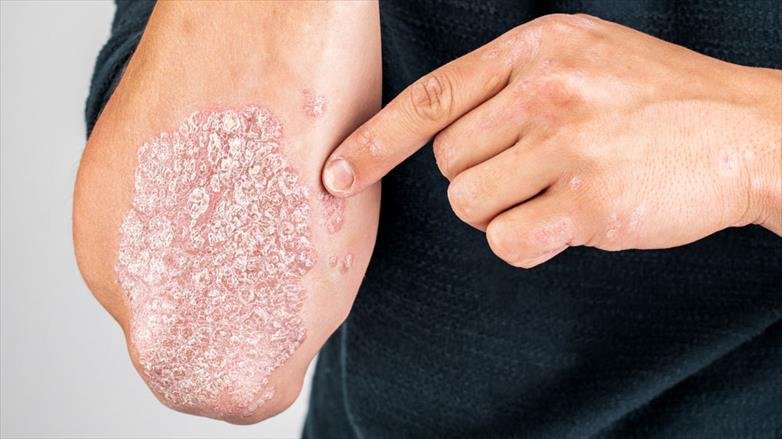
A skin doctor, or a dermatologist, specializes in the diagnosis and treatment of conditions affecting the skin, hair, and nails. These medical professionals undergo extensive training to recognize a range of skin diseases, from mild irritations to chronic autoimmune disorders. While general practitioners can handle minor skin issues, a dermatologist has specialized expertise for managing complex conditions, like psoriasis. They create tailored treatment plans that target visible symptoms while addressing the underlying causes of skin inflammation. Here’s more information on how skin doctors treat psoriasis:
What Is Psoriasis?
Psoriasis is a chronic autoimmune disease that speeds up the growth cycle of skin cells. In a typical cycle, skin cells grow deep in the skin and slowly rise to the surface before shedding, a process that usually takes a month. In patients with psoriasis, this process happens in just a few days. The rapid turnover prevents cells from shedding properly, causing them to pile up on the skin’s surface. This accumulation results in the characteristic scales and red patches associated with the condition.
While mild cases can sometimes be managed with over-the-counter remedies, you should visit a skin doctor if the condition begins to impact your daily life. Visit a dermatologist if your psoriasis causes discomfort, pain, or affects the appearance of your skin to a degree that causes distress. You should seek a consultation if you notice signs of psoriatic arthritic joint symptoms, like:
- Joint Pain
- Stiffness
- Swelling
Early intervention by a dermatologist can help prevent long-term joint damage and manage the systemic inflammation often associated with psoriatic arthritis.
What Are The Symptoms?
The symptoms of psoriasis vary from person to person and depend heavily on the type of psoriasis present. The most common form, plaque psoriasis, typically presents as dry, raised, and red skin patches (lesions) covered with silvery scales. These patches may be itchy or sore and can occur anywhere on the body, though they frequently appear on elbows, knees, the lower back, and the scalp. Some other types of psoriasis are:
- Erythrodermic Psoriasis
- Inverse Psoriasis
- Guttate Psoriasis
- Pustular Psoriasis
Other psoriasis symptoms may include dry, cracked skin that may bleed or itch. You might notice thickened, pitted, or ridged nails, which are common indicators that the disease is affecting the nail bed. In some cases, the skin may feel swollen and stiff. Since psoriasis is a cyclical condition, symptoms often flare up for a few weeks or months and then subside or go into remission. Recognizing these patterns helps in managing the condition effectively.
How Is Psoriasis Treated?
Treatment aims to stop skin cells from growing so quickly and to remove scales. A dermatologist will select a treatment plan based on the severity of your psoriasis and how responsive it has been to previous treatments. Topical treatments are creams and ointments applied directly to the skin and are usually the first treatment for mild to moderate psoriasis.
Corticosteroids are frequently prescribed to reduce inflammation and relieve itching. Vitamin D analogues are another option, and they work by slowing down skin cell growth. Retinoids, derived from vitamin A, may also be used to decrease inflammation and normalize DNA activity in skin cells.
Immunosuppressants
For moderate to severe psoriasis, or when topical treatments fail, doctors may prescribe systemic medications. Immunosuppressants like methotrexate or cyclosporine work by suppressing the immune system to slow down cell turnover and reduce inflammation. Because these drugs affect the entire immune system, they require careful monitoring by a physician to manage potential side effects.
Phototherapy
Phototherapy, or light therapy, involves exposing the skin to controlled amounts of natural or artificial ultraviolet light. This treatment can be administered in a doctor’s office or at home with a prescribed unit. The ultraviolet light penetrates the skin and slows the rapid growth of skin cells. Consistent treatment sessions can effectively clear up skin for extended periods, making it a viable option for those who do not respond well to topical agents.
Contact a Skin Doctor Today
Managing a chronic skin condition requires a proactive approach and a strong partnership with a medical professional. If you have psoriasis or if your current management strategies are no longer effective, contact a dermatologist for help. A dermatologist can provide a diagnosis and offer advanced treatment options. Schedule a consultation to discuss your symptoms and develop a personalized plan for clearer, healthier skin.
Leave a Reply