
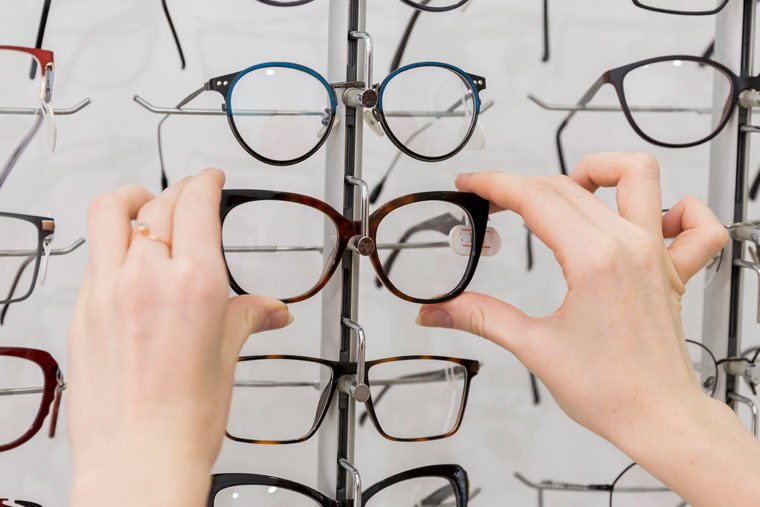
Eyeglasses serve as the primary mechanism for correcting vision, and they have several distinct features. Frames securely hold the lenses in place, and the glass improves focus. Because eyesight changes naturally over time, regular updates to prescriptions remain necessary. Here is more information about the various features of eyeglasses:
Magnification Strength
When you visit an eye doctor, they carefully measure the required magnification. The diopter strength varies by individual, so measurements must be extremely precise. Higher numbers indicate a stronger level of magnification for the specific user. You may need:
- Low strengths
- Medium correction levels
- High magnification needs
Lens Types
While single vision lenses are standard, multifocal options serve very different needs. Bifocals contain two distinct optical powers for distance viewing and close reading. The upper part helps distance vision, but the bottom aids close work. Visible lines usually separate these two distinct zones on the lens surface.
Trifocals add a third section, and this specific area corrects intermediate vision. If you work at a computer, intermediate correction becomes very useful. These lenses possess three distinct viewing zones separated by visible horizontal lines. While they offer a wider range, the visible lines might distract some users.
Progressive lenses offer a seamless transition between different focal points for users. Because they lack visible lines, many people prefer the cleaner aesthetic appearance. You look up for distance viewing, and you look down for reading. The transition corridor sits in the middle for intermediate viewing distances.
Refraction Types
Refractive errors occur when the eye does not bend light rays correctly. Myopia makes distant objects appear blurry to the unaided, naked human eye. Hyperopia affects near vision clarity, but astigmatism distorts vision at all distances. To fix them, lenses bend light specifically to compensate for these unique optical errors.
Lens Materials
Glass lenses offer excellent clarity and significant resistance to surface scratching. They feel heavy on the face, yet they provide superior optical qualities. Since glass breaks easily upon impact, it poses a safety risk for children. Many impact-resistant standards apply to modern eyewear products manufactured today.
Polycarbonate lenses may be lighter than glass, and they resist impact very well. This material works exceptionally well for safety glasses and active sports eyewear. While it scratches more easily, hard coatings protect the surface from damage. High-index plastic is another strong option, and it creates much thinner lenses.
Rim Types
Eyeglasses come in various rim types, offering a range of styles and benefits. Full-rim glasses, which encircle the entire lens, are durable and ideal for those seeking robust protection. While rimless frames provide a minimalist look and lightweight feel, they may require extra care to avoid damage. There are several types of eyeglass rims to choose from, each catering to different needs and preferences:
- Full-rim: Provides maximum durability and frames the lenses entirely. Suitable for thicker or higher-prescription lenses.
- Semi-rimless: A minimal design where the frame only partially surrounds the lenses, offering a lighter and more modern look.
- Rimless: A light option, with lenses mounted directly onto the temples and bridge.
Get Fitted for Eyeglasses
Professional fitting validates that the frames fit your unique face correctly. If the frames slide down, the focal point moves out of alignment. Get fitted for eyeglasses that suit your needs. Visit a local optician soon, and schedule your next comprehensive eye exam.
Leave a Reply