
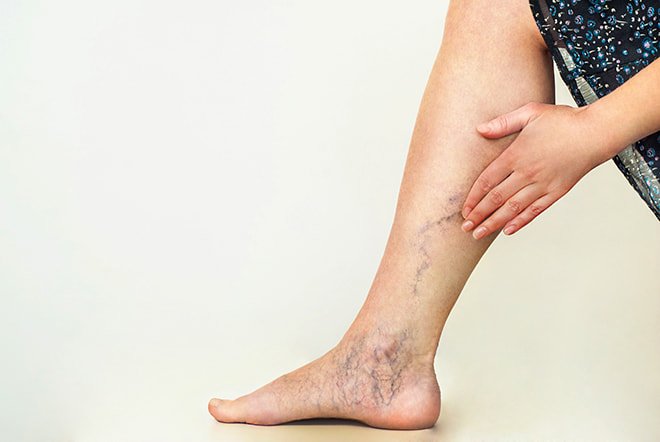
Varicose veins are enlarged, twisted veins that may appear blue or dark purple, and they typically develop on the legs and feet. While they can be a cosmetic concern for some people, they can also signal underlying health issues related to blood circulation. Understanding how these veins form and their potential effects on your health is a positive step toward managing them. Here is how these veins develop and how they impact your health:
Chronic Venous Insufficiency
Chronic venous insufficiency (CVI) is a condition that affects blood flow. It occurs when your leg veins don’t allow blood to flow back up to your heart. CVI may lead to pain and swelling in the legs, and it can affect your daily comfort. Because it puts pressure on the venous system, this condition is a primary cause of varicose veins.
The walls of your veins can become weak, and this weakness contributes to CVI. Vein walls lose their elasticity over time, and this causes them to stretch. When the vein walls are weak, the valves may not close properly. This dysfunction allows blood to flow backward and pool in the veins.
Prolonged standing or sitting increases pressure in your leg veins, and this sustained pressure can worsen CVI symptoms. Because your calf muscles help pump blood upward, movement is beneficial. Stay active to reduce these symptoms.
Defective Valves
Veins contain one-way valves that help keep blood moving toward your heart. When these valves are working correctly, they open to let blood through and then close to prevent backflow. This process is necessary for efficient circulation against gravity. The action is like a series of small gates along the path of your veins.
Defective valves do not close properly. Blood can leak backward and collect in the veins because the valves are damaged. This backward flow is called venous reflux. Collecting blood increases pressure inside the vein, causing it to bulge and twist. This process is what creates the visible appearance of varicose veins.
Discolored Skin
Skin discoloration is a possible sign of advanced venous issues. This happens when blood pools in the veins and leaks into the surrounding tissue. The skin may turn a reddish-brown color, and it often appears near the ankles. Because this condition develops over a period of time, you may not notice it at first.
Pooled Blood
When blood pools in the veins, it can lead to uncomfortable symptoms. You may feel a sense of heaviness or aching in your legs. These sensations may worsen after long periods of standing or sitting. The accumulated blood stretches the vein walls, so you may experience throbbing or cramping.
Pooled blood may also increase the risk of other health complications. This is a condition where blood clots form in veins close to the skin’s surface. These clots can cause pain and redness along the affected vein. While these superficial clots are not typically dangerous, they do require attention from a healthcare provider.
Other factors that contribute to varicose veins include:
- Age
- Family history
- Weight
Get Treated for Varicose Veins
Managing varicose veins can improve your comfort and overall well-being. Several treatment options are available to address the underlying cause of your symptoms. A specialist can evaluate your condition and recommend a suitable approach for you. Addressing the veins may also prevent them from worsening over time. Contact a vein specialist today to schedule an evaluation and discuss your treatment options.
Leave a Reply