
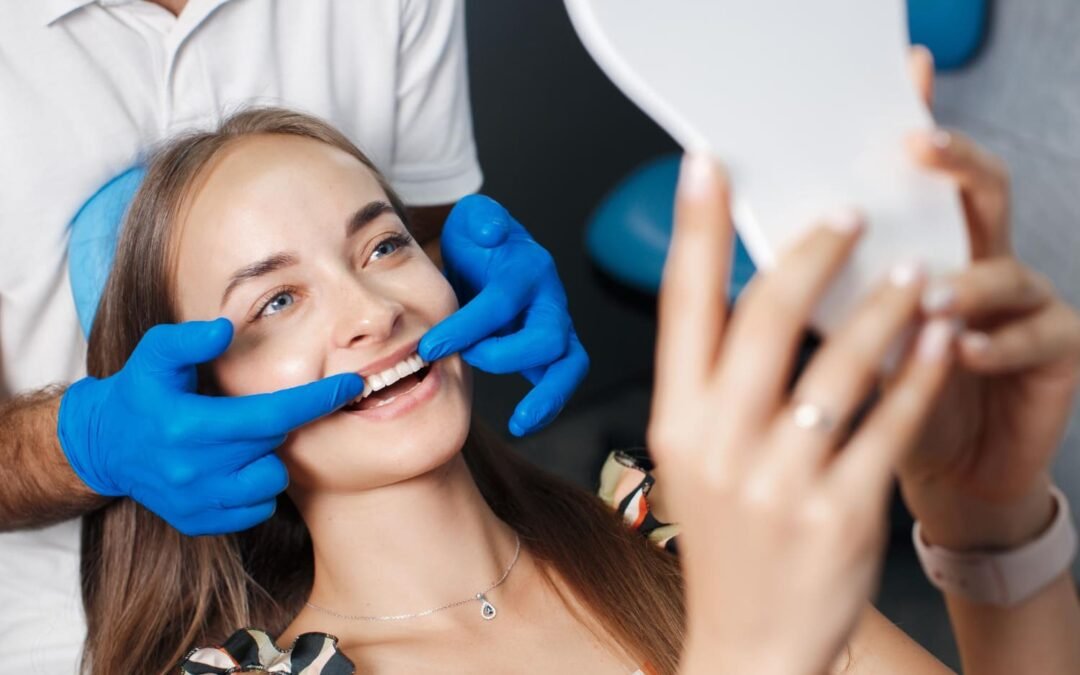
While cosmetic dentistry focuses on aesthetics, the procedures may also provide significant, lasting functional benefits. Patients may initially seek these treatments to enhance the visual appearance of their smile. Because these methods restore damaged enamel, the mouth functions better after the treatment concludes. Here is more information about the impact of cosmetic dentistry on your health:
Improved Bite Function
Because misaligned teeth strike each other incorrectly, the enamel may wear down over time. Uneven bite pressure causes cracks or fractures in otherwise healthy teeth. The jaw muscles might overcompensate for this imbalance, and this tension can lead to chronic headaches. If you ignore these alignment issues, the joint may have permanent damage.
Orthodontic adjustments align the upper and lower jaws into a coherent, functional position. When the bite aligns properly, chewing efficiency can improve drastically for the dental patient. Food may digest more easily, and the stomach can absorb nutrients more effectively. Proper digestion supports overall systemic health and significantly reduces gastrointestinal distress.
Boosted Hygiene
Because crowded teeth overlap, bristles struggle to reach the enamel surfaces located between them. Plaque bacteria accumulate in these tight, inaccessible crevices located near the sensitive gum line. Hidden bacteria harden into tartar, and gum inflammation begins to irritate soft tissues. Unless you remove this buildup, periodontal disease eventually threatens the stability of the bone.
Straight teeth allow floss to penetrate the gum line without obstruction or fraying. Since the toothbrush reaches the enamel easily, daily maintenance can remove significantly more food debris. Clean dental surfaces naturally deter the onset of cavities or decay around the roots. While you spend less time scrubbing, your hygiene routine may yield better clinical results.
Deep natural grooves in molars harbor trapped food particles and bacteria. Sealants cover these porous areas, or veneers create a smooth, impenetrable barrier over them. Because the new surface is uniform, sticky plaque struggles to adhere to the tooth. This aims to lower cavity risks on the biting surfaces. This proactive approach supports long-term oral health, and it also minimizes the need for more invasive dental treatments in the future.
Increased Protection
Chips weaken the tooth structure, but dental crowns provide a sturdy, protective encasement. These restorations shield the sensitive inner pulp from external temperature changes and pressure. Unless a dentist repairs the damage, bacteria enter the crack and infect the root. Standard protective options in cosmetic dentistry include:
- Porcelain veneers
- Dental bonding
- Ceramic crowns
Reduced Systemic Issues
Although gum disease starts in the mouth, bacteria travel through the bloodstream to the organs. Oral inflammation spreads elsewhere, and heart health risks increase significantly for these patients. Treating decay aims to reduce the total bacterial load within the entire body. Because oral health may be linked to bodily health, cosmetic improvements serve a dual purpose.
Schedule Cosmetic Dentistry Treatments Today
Contact a dental clinic directly to discuss your specific restorative and aesthetic dental options. Because dentists value precision, they examine your oral structure thoroughly before any procedure. You can get a functional smile, so book your consultation appointment with us now. A cosmetic dentist will prioritize your long-term dental health.
Leave a Reply