
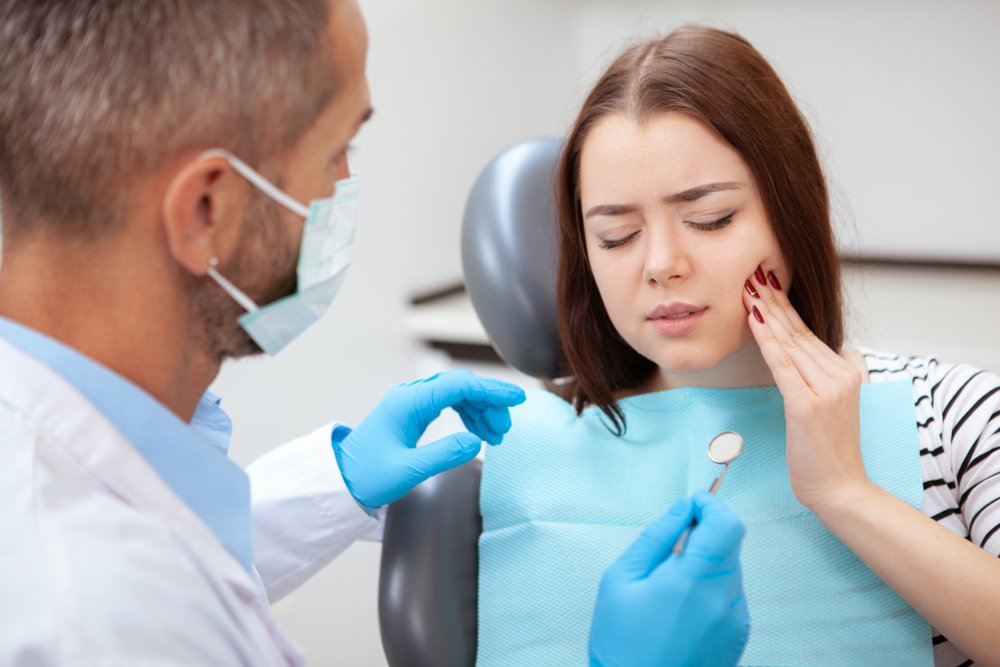
Emergency dentistry addresses sudden injuries and acute symptoms that require prompt attention. Emergency dental care responds to issues that affect comfort, function, or tooth stability. These situations can develop quickly, so timely treatment helps limit complications and restore everyday use of the affected area. Here is more information about emergency dentistry and the conditions that may require it:
Chipped, Cracked, and Loose Teeth
Chipped or cracked teeth often occur after biting hard objects or experiencing facial impact. Prompt emergency dental care reduces the chance of more serious structural damage and helps preserve the remaining tooth. When a tooth is knocked out, rapid action can help stabilize the surrounding tissues shortly after the incident. The best chance of saving the tooth comes when it is replaced within one hour. A loose or partially extruded permanent tooth is also a cause for an emergency dental visit. Emergency teams assess whether they can reposition the tooth and then determine the next steps needed to maintain oral function.
Sources of Acute Oral Pain
Severe toothaches develop when underlying tissues become irritated or inflamed. These symptoms can progress rapidly and interfere with daily activities. During an emergency visit, providers evaluate the affected area to identify whether the discomfort stems from decay, infection, or pressure within the tooth. Early treatment may prevent worsening inflammation and help restore normal chewing and speaking.
Objects lodged between teeth or in the gums can cause sharp discomfort and may damage nearby tissues if left in place. When the object is deeply embedded or difficult to remove, providers can examine the surrounding gum tissue, clear debris, and confirm that no additional fragments remain. Once the obstruction is removed, the area can recover.
What to Expect During Emergency Visits
Emergency appointments begin with a focused assessment that examines the teeth, gums, and soft tissues. Providers use visual checks and diagnostic tools, such as imaging, to assess the extent of the injury. While some issues remain visible, others require closer evaluation to locate fractures or identify deeper sources of pain. This preliminary process helps determine whether immediate stabilization or additional treatment is needed.
After the initial assessment, emergency teams address the most urgent concerns. They may reposition displaced teeth, smooth sharp edges, or relieve pressure within the affected tooth. Stabilizing materials are often used to support damaged structures while longer-term solutions are planned. In situations involving swelling or gum injuries, the provider may clean the area and remove trapped debris to reduce irritation.
For patients with dental phobia or anxiety, some emergency dental offices may offer sedation to help with patient comfort. Methods of sedation may include:
- Nitrous oxide (laughing gas): Inhaled through a small mask during treatment. Creates a calming effect while allowing the patient to remain awake.
- IV sedation: Delivered through a vein for rapid, adjustable sedation. Allows the provider to control the sedation level throughout the procedure. Often used for longer or more complex treatments.
Ask your dental provider about options for sedation at your visit.
Learn More About Emergency Dental Care
Recognizing when unexpected dental issues need prompt attention helps protect long-term oral health. Injuries, severe pain, and symptoms that affect tooth stability often require same-day evaluation. When these events occur, emergency dental care offers immediate relief and a structured plan for follow-up treatment. For more information about emergency dentist visits, consult your dental provider.
Leave a Reply