
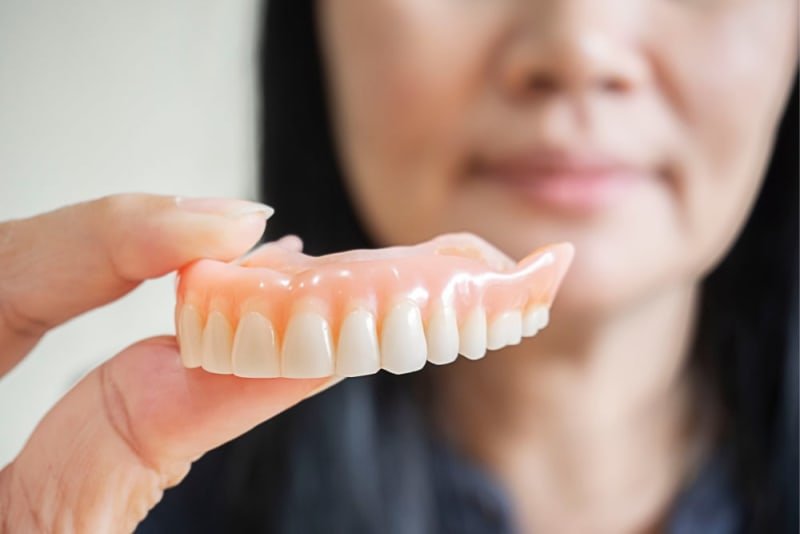
For individuals experiencing tooth loss, understanding the available replacement options is beneficial for restoring function and appearance. Dentures are a solution for replacing missing teeth, and there are multiple types available. Here is more information on what these dental devices are, the different types available, their benefits, and how to adjust to them:
What Are Dentures?
Dentures are removable prosthetic devices designed to replace missing teeth, and they are supported by the surrounding soft and hard tissues of the oral cavity. They restore the function of your mouth and the aesthetics of your smile. Custom-made to fit your mouth, they improve your ability to eat and speak properly. Made from materials like acrylic, dentures are crafted to resemble natural teeth and gums.
What Are the Different Types?
There are several types of dentures available, and the most suitable option for you depends on your specific needs. Each type serves a different purpose, so understanding the distinctions is beneficial. Here is more information on denture types:
Full
Full dentures are used when all of the natural teeth in either the upper or lower jaw are missing. They consist of a full set of artificial teeth attached to a plate that rests on the gums. Conventional full dentures are placed in the mouth after any remaining teeth are removed and the tissues have healed.
Partial
Partial dentures are used when one or more natural teeth remain in the upper or lower jaw, and they fill in the spaces created by missing teeth. These devices are typically attached to your natural teeth with clasps. Partial dentures prevent adjacent teeth from moving and are a removable alternative to bridges.
Permanent
Permanent dentures, also called implant-supported dentures, are a more stable solution because dental implants anchor them in place. These implants are surgically placed into the jawbone, providing a secure foundation for the denture. This type offers improved stability, which can make eating and speaking feel more natural.
What Are the Benefits?
Dentures offer several functional and cosmetic benefits for individuals with missing teeth. They restore proper chewing, which can improve your overall nutrition and digestion, and they also improve speech clarity. These dental devices can restore your smile and support your facial structure, leading to a more youthful appearance. By filling out the face, dentures prevent the sunken look that often accompanies tooth loss.
How Can You Adjust?
Adjusting to new dental devices takes time, and you may experience some initial discomfort or soreness. It is common to have difficulty speaking and eating at first, but with practice, these functions will improve. Start by eating soft foods cut into small pieces, and chew slowly using both sides of your mouth.
To become more comfortable with speaking, practice reading aloud to get used to the feel of the dentures. Your dentist can make adjustments if you continue to experience discomfort or if the fit feels off. Proper care, including regular cleaning and careful handling, will also contribute to a smoother adjustment period.
Consult a Dentist Today
Understanding the different types of dentures and the adjustment period can help you prepare for this dental solution. These dental devices are a practical option for replacing missing teeth, restoring function, and improving your smile. If you are evaluating dentures or need assistance with your current ones, consult a dental professional. A dentist can provide a thorough evaluation and recommend the most helpful course of action for your specific situation.
Leave a Reply