
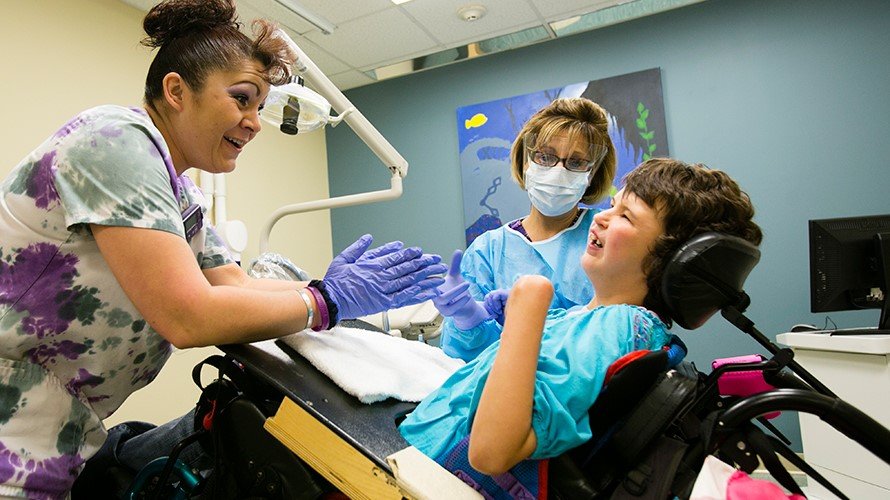
Effective communication is a component of special needs dentistry, shaping how patients understand, experience, and respond to dental care. Clear and compassionate communication reduces nervousness and builds trust. It also makes sure that caregivers and dental teams stay aligned on treatment goals and comfort strategies. Here’s more information on the role of communication in dentistry for special needs:
Why Does Communication Matter?
Effective communication is the foundation of successful special needs dentistry for special needs patients. A special needs dentist who communicates well can significantly reduce a patient’s fear and unease. The dental team can build a trusting relationship by explaining procedures in a way the patient understands. This often leads to greater cooperation during treatment. Clear communication with caregivers helps them prepare the patient for the visit and continue proper oral hygiene at home, making future appointments run smoothly.
How Do Dentists Adapt Communication?
A special needs dentist tailors communication methods to fit each patient’s unique abilities and needs. This individualized approach is a key part of providing compassionate and effective care. Here are some ways a dental team may adapt their communication:
- Simple Language: Using short, simple sentences and avoiding technical jargon helps patients understand instructions and explanations.
- Visual Aids: Pictures, models, and diagrams show a patient what to expect during a procedure, making the experience less intimidating.
- Tell-Show-Do: This technique involves explaining a procedure (Tell), demonstrating it on a model or a finger (Show), and then performing it on the patient (Do).
- Non-verbal Cues: Body language, such as a calm demeanor and gentle touch, can convey safety and reassurance, helping the patient feel secure.
These methods create a supportive environment and make it easier for patients to receive dental care.
Which Tools Support Communication?
Aside from verbal and non-verbal strategies, dental teams use specific tools and techniques to enhance communication in special needs dental care. These resources bridge communication gaps and make dental visits more manageable for patients. Helpful tools and techniques include:
- Social Stories: These are short, personalized narratives that describe a dental visit from the patient’s perspective, which helps them know what to expect.
- Sensory Adaptations: Reducing sensory stimuli by dimming lights or minimizing noise creates a calmer environment, helping the patient focus on communication.
- Positive Reinforcement: Offering praise or small rewards for cooperative behavior encourages the patient and builds positive associations with dental visits.
Using these tools helps a dental team connect with patients on their own terms, fostering a cooperative and trusting atmosphere.
How Do Caregivers and Dentists Collaborate?
Collaboration between caregivers and the dental team is a fundamental part of successful special needs dentistry. Caregivers provide valuable insights into the patient’s communication style, triggers, and comfort measures. Before the appointment, the caregiver shares helpful information about the patient’s specific needs, and the dentist uses this information to prepare for the visit. This provides the patient with consistent support at home and in the dental office, leading to better oral health outcomes.
Schedule Your Special Needs Dentistry Visit
Effective communication is a key component of providing excellent special needs dentistry. A special needs dentist creates a positive and supportive environment for every patient by using tailored strategies and working closely with caregivers. This approach makes dental visits less stressful and promotes long-term oral health. Contact a trusted special needs dentist near you to schedule your visit today.
Leave a Reply