
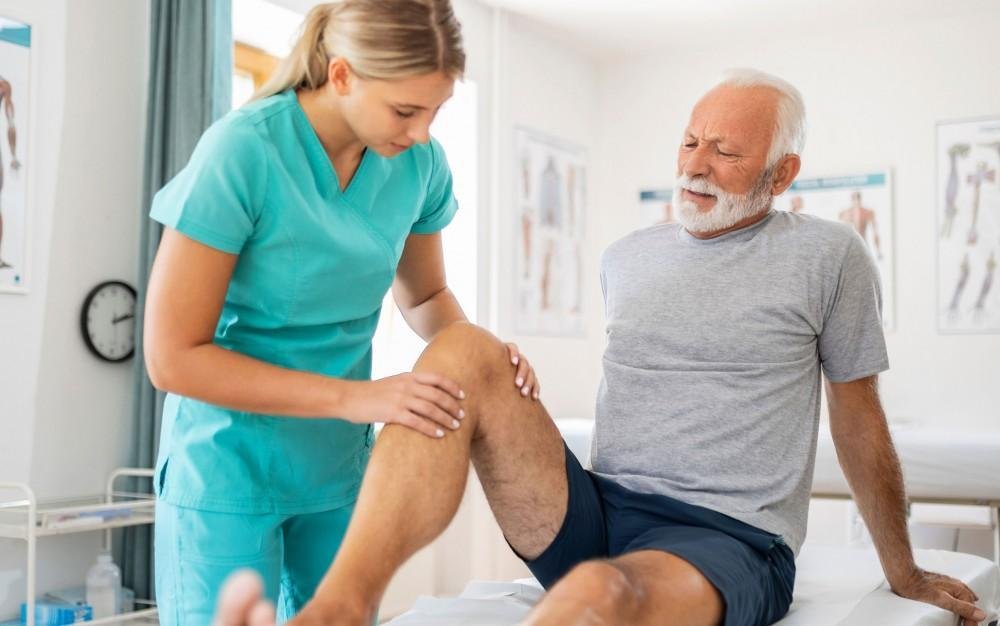
Acute knee pain can develop suddenly from an injury, overuse, or unexpected strain, limiting mobility and disrupting daily routines. Early evaluation and the right management strategies are fundamental for protecting joint function and preventing long-term complications. Here is more information on effective strategies for managing acute knee joint pain:
Identifying Causes of Knee Pain
Knee pain can occur for many reasons, as the knee is a complex structure of bones, cartilage, ligaments, and tendons. Sudden injuries from sports or accidents are frequent culprits. They often lead to injuries such as ligament sprains, meniscus tears, or fractures. Conditions such as bursitis, the inflammation of the small fluid-filled sacs near your knee joint, can cause acute pain.
Easing Pain at Home
Several at-home strategies can offer initial relief from knee pain. Here are some at-home strategies to relieve knee joint pain:
- Rest and Protect: Avoid activities that strain the knee, and use crutches if needed to keep weight off the joint.
- Ice: Apply an ice pack wrapped in a towel to the affected area for some minutes every few hours to reduce swelling and numb the pain.
- Compression: Use an elastic bandage to wrap the knee to provide support and limit swelling, but make sure it is not too tight.
- Elevation: Keep your leg propped up on pillows when you are sitting or lying down to drain fluid away from the knee.
Following these steps consistently helps to manage your symptoms during the first few days after an injury.
Seeking Medical Care
While many cases of knee pain resolve with home care, certain symptoms warrant a professional medical evaluation. If you experience severe pain, significant swelling, or a visible deformity in your knee joint, it is best to see a doctor. If you are unable to bear weight on your leg or if you heard a popping sound at the time of injury, seek medical attention promptly. A thorough diagnosis is a key step toward the right treatment.
Preventing Future Pain
Once your acute knee pain has subsided, taking preventive measures can help you avoid future problems. Here are some preventive habits to contemplate incorporating into your routine:
- Maintain a Healthy Weight: Excess body weight puts significant strain on your knee joints.
- Strengthen Supporting Muscles: Focus on exercises that build up the muscles around your knees, because strong muscles provide better support for the joint.
- Improve Flexibility: Gentle stretching can keep your muscles and ligaments flexible, enhancing your range of motion and reducing the risk of injury.
- Choose Low-Impact Activities: Activities like swimming or cycling are easier on the knees than high-impact sports, allowing you to stay active without causing unnecessary stress on your joints.
These long-term strategies are fundamental to protecting your knees and preventing a recurrence of painful knee issues.
Schedule Your Knee Pain Appointment
Adopting consistent long-term strategies, such as maintaining proper posture and engaging in gentle stretching, protects your knees and reduces the risk of injury or chronic pain. These measures are fundamental for preserving joint health and enhancing mobility. If you are experiencing knee joint pain, contact an orthopedic specialist near you to schedule your appointment today.
Leave a Reply