
Vision impairment affects how your brain processes visual information, and it can make daily activities challenging. Difficulties with visual processing might appear as trouble distinguishing between shapes, remembering what you have seen, or coordinating movement with vision. With proper evaluation and targeted exercises, you can find strategies to help manage these visual challenges. Here is more information about ways to improve visual processing:
Eye Exams
A comprehensive eye exam is the first step toward understanding your visual health. Your neuro-optometrist typically checks for refractive errors, such as nearsightedness or farsightedness, and they also screen for eye diseases. Because visual processing begins with what the eyes see, correcting any underlying vision problems provides a clear foundation for further assessment.
Neuro-Optometry Tests
A neuro-optometrist conducts specialized tests to evaluate how your eyes and brain work together. These tests measure specific visual skills, so the specialist gets a detailed picture of your visual processing abilities. Since a complete evaluation might span several appointments, this allows for a thorough assessment without causing fatigue.
The specialist may look at skills like eye tracking, which is the ability to follow a moving object smoothly. They also assess convergence, or how well your eyes team up to focus on a nearby object. These tests are not painful. With valuable data about your visual function beyond standard eye chart readings, this information helps create a customized approach.
Based on the test results, a neuro-optometrist identifies specific areas of weakness in your visual processing system. You might have strong visual acuity but difficulty with visual memory. Identifying these distinct challenges is a key part of developing an effective plan for visual impairment, as it helps target the exact skills that need support.
Memory Games
Memory games are valuable tools for strengthening visual processing skills. Simple matching games require you to remember the location of images, which exercises your visual recall. As you play, you are training your brain to store and retrieve visual information more efficiently. These activities are both engaging and beneficial.
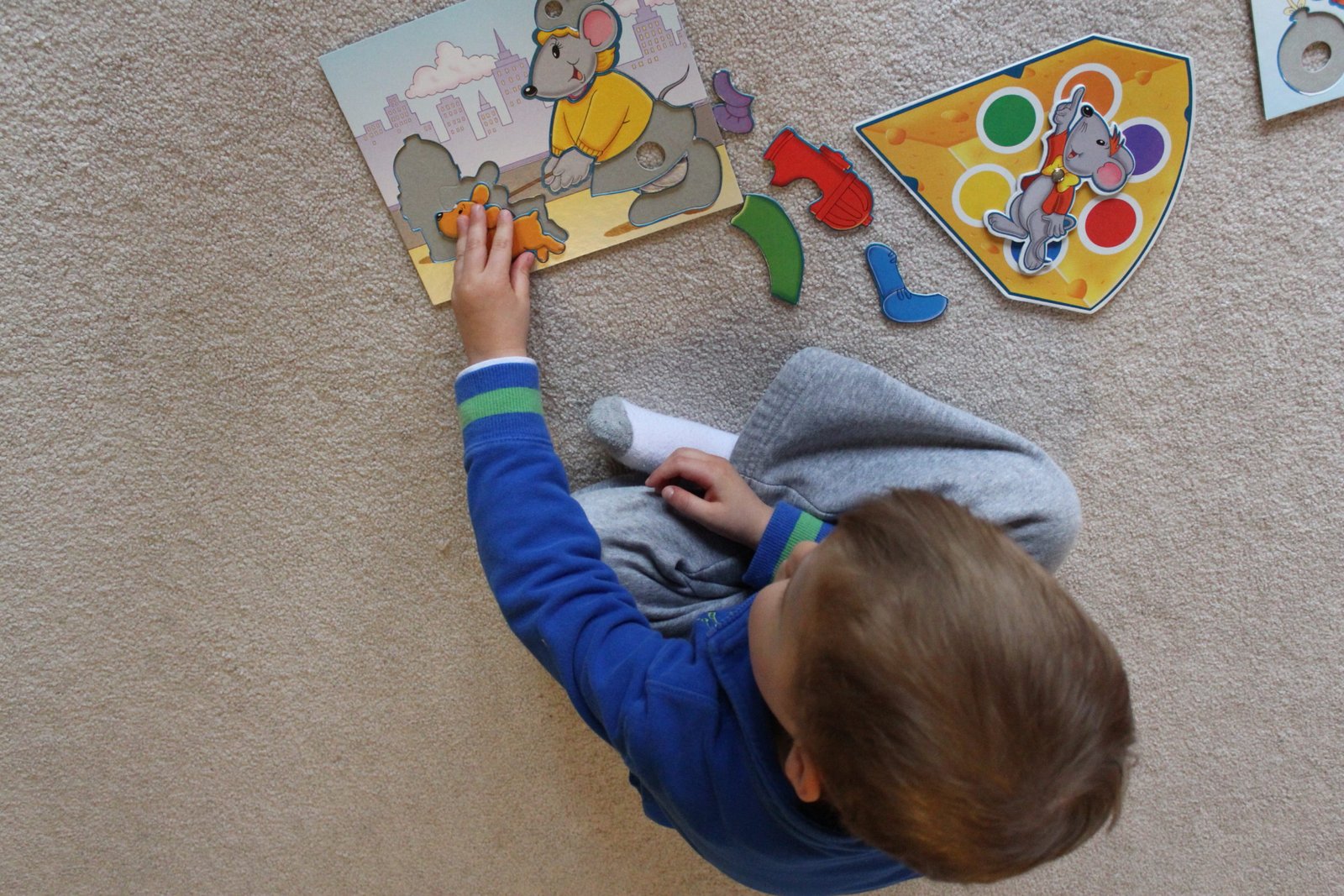
Other activities, such as puzzles and pattern recognition games, also support visual processing. Jigsaw puzzles ask you to analyze shapes and colors, and you must hold those details in your memory to find matching pieces. These games strengthen the connection between seeing information and making sense of it. You can start with simple puzzles and gradually move to more complex ones.
Vision Aids
Specific vision aids can help manage visual processing difficulties. These tools are designed to support your existing vision and make specific tasks easier. An optometrist or specialist can recommend aids that are suited to your specific needs. These devices can offer practical support in your daily life. Some aids include:
- Overlays
- Magnifiers
- Prism lenses
These aids work by altering visual information before it reaches the brain, thereby reducing perceptual distortions.
Get Treated for Vision Impairment
If you experience symptoms of visual processing difficulties, seeking a professional evaluation is a positive step. A thorough assessment can pinpoint specific challenges, which allows for a targeted treatment plan. Taking action helps you find the proper support for your needs. Contact a neuro-optometrist today to schedule a comprehensive evaluation.
Leave a Reply