
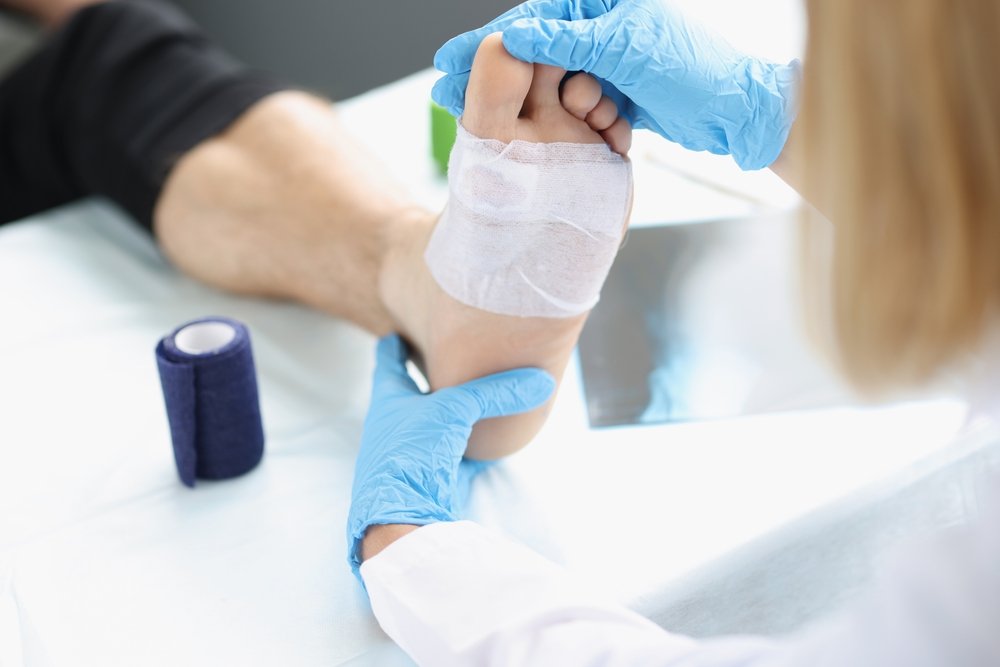
A podiatrist plays a fundamental role in protecting the feet, especially for individuals living with diabetes. Diabetes slows healing and increases the risk of infections; minor foot wounds can become serious if not treated properly. Podiatrists are trained to diagnose, clean, and manage these wounds to support healing and prevent complications. Here’s what you should know about diabetic wound care provided by a podiatrist:
Need for Expert Wound Care
High blood sugar levels can compromise multiple systems within the body, leading to complications. These effects are particularly pronounced in the feet, where the combination of diminished sensation and poor blood flow makes it challenging for wounds to heal properly. Without the ability to sense injuries due to neuropathy, individuals may not notice small cuts, blisters, or pressure points. These minor injuries can worsen into ulcers, open sores that resist healing.
Diabetic foot ulcers are susceptible to infection, posing significant health risks. Prompt and expert intervention is necessary to mitigate these risks. A podiatrist’s specialized training helps to address the underlying issues. They also aid proper wound care, infection prevention, and long-term treatment strategies tailored to the patient’s needs.
Podiatrist Support for Wounds
A podiatrist plays a key role in the healing of diabetic wounds. Here are some ways a foot and ankle doctor can help:
- Wound Cleaning and Debridement: The podiatrist will clean the wound to remove dead tissue, which helps healthy tissue grow and reduces the risk of infection.
- Applying Dressings: Special medicated dressings are used to protect the wound, absorb fluid, and promote a healing environment.
- Off-loading: The foot specialist may provide special shoes, boots, or inserts to take pressure off the wound, allowing it to heal faster.
- Managing Infection: If an infection is present, the podiatrist will prescribe antibiotics and monitor the wound closely.
Proper treatment helps manage existing wounds and lowers the risk of recurrence.
Wound Care Visit Steps
When you visit a podiatrist for diabetic wound care, the goal is to assess the wound and create a treatment plan. The foot doctor will perform a thorough examination and then recommend the best course of action. During your appointment, you can expect the following steps:
- Initial Evaluation: Your podiatrist will examine the wound and surrounding area for signs of infection and poor circulation.
- Medical History Review: The foot doctor will review your medical history, including your diabetes management and any other health conditions.
- Treatment Plan Discussion: Based on the evaluation, your podiatrist will explain the proposed treatment plan and answer any questions you have.
- In-Office Procedures: Depending on the wound’s condition, the doctor may perform cleaning or debridement during the visit.
Regular follow-up visits will be scheduled to monitor your progress and adjust the treatment as needed.
Prevention Tips
Begin by examining your feet daily for signs of cuts, blisters, redness, or swelling. Maintaining proper hygiene is key; wash your feet with warm water and mild soap, then thoroughly dry them, especially between the toes. Keeping your skin well-moisturized and your toenails trimmed correctly can reduce the risk of skin breakdown or infections.
Wearing appropriate footwear is equally fundamental. Ill-fitting shoes can lead to pressure points and wounds. Opt for shoes that provide ample support and cushioning, and avoid walking barefoot to minimize injury risks. Managing blood sugar levels effectively can also promote good circulation, mitigating the risk of ulcers.
Consult a Local Podiatrist Today
A podiatrist offers specialized knowledge and tools needed for effective diabetic wound care. They can provide treatments that promote healing, prevent infection, and reduce the risk of serious complications. For non-healing wounds or to learn more about prevention, contact a podiatrist near you to schedule your consultation today.
Leave a Reply