
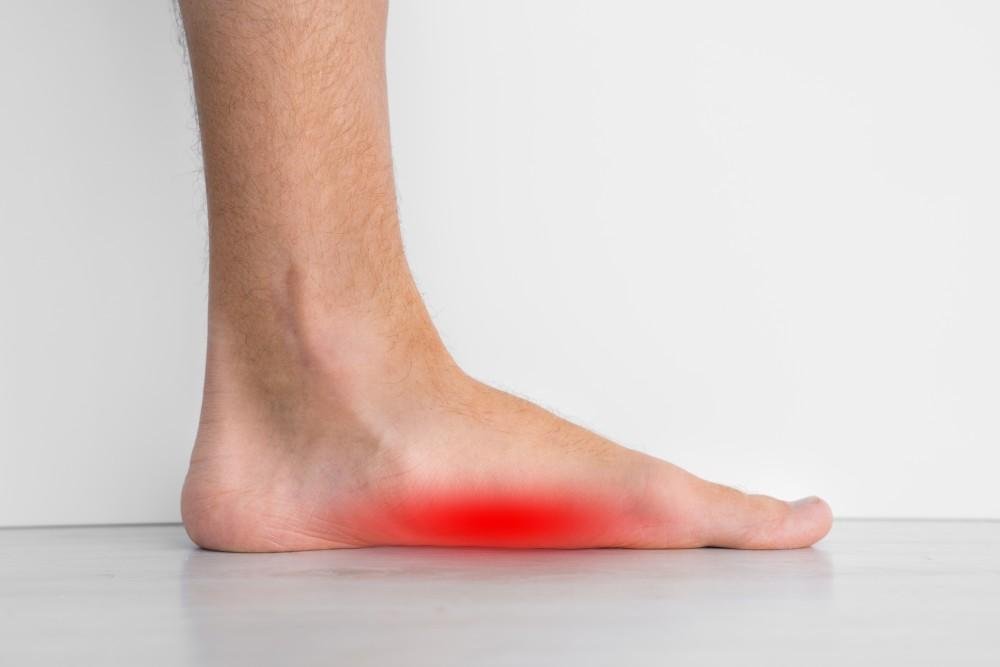
Individuals with fallen or low arches, a condition known as flat feet, may experience various effects on their daily routines. The foot is the foundation of the body’s alignment. Variation in foot height can affect how a person walks and stands. Understanding these impacts can help you identify strategies to increase comfort and support in everyday life. Here is more information about how flat feet can impact daily activities, along with some general approaches to managing these effects.
Balance and Stability
The arch of the foot works as a natural shock absorber, distributing body weight evenly across the feet and legs. With flat feet, low arches change the distribution pattern, and the body may to maintain balance during movement. You might notice this during activities that require sudden stops or changes in direction, like navigating a crowded space.
These adjustments may lead to a reduced sense of stability for some individuals, causing them to feel less secure when standing on uneven ground or walking on slippery surfaces. Over time, the effort to compensate for different foot alignments can influence posture and joint position. This compensation creates a chain reaction that begins at the base of the body’s support structure.
Walking and Standing
Prolonged periods of walking or standing may become challenging for people with flat feet. Without a pronounced arch to help absorb the impact of each step, the force travels up the kinetic chain, affecting ankles, shins, and knees. You may experience feelings of tiredness or achiness in the lower limbs after a long day on your feet.
Your walking mechanics, or gait, can also change, which may contribute to uneven wear patterns on shoes. Low arches may cause the foot to roll inward, changing how the foot pushes off the ground. These subtle changes in walking patterns contribute to cumulative stress on the feet and legs over time.
Supportive Footwear
Many shoes have a standard arch contour, which may not align with the shape of a flatter foot, leading to discomfort or a poor fit. The shoe might feel tight across the midfoot or allow the foot to slide inward. This situation fails to provide adequate support where it is needed most.
For increased comfort and stability for fallen arches, you may want to search for shoes with the following features:
- Firm heel counter
- Wide, stable sole
- Plenty of room in the toe box
You may have a better experience with footwear specifically made for motion control. These shoes are constructed to help manage the inward rolling of the foot.
Managing Daily Discomfort
Developing personal habits to manage foot discomfort can improve daily quality of life. Simple, practical adjustments can make a noticeable difference, often starting with mindful choices about activities and footwear. Pacing yourself and taking breaks during activities that involve extensive standing or walking can help reduce strain.
Learn More About Managing Flat Feet
Awareness and proactive management of flat feet can benefit you in your daily activities. By understanding how low arches influence balance, walking, and comfort, you can make informed decisions about footwear and personal care routines. If you have more questions about flat feet, consult a podiatrist to develop a personalized treatment plan.
Leave a Reply