
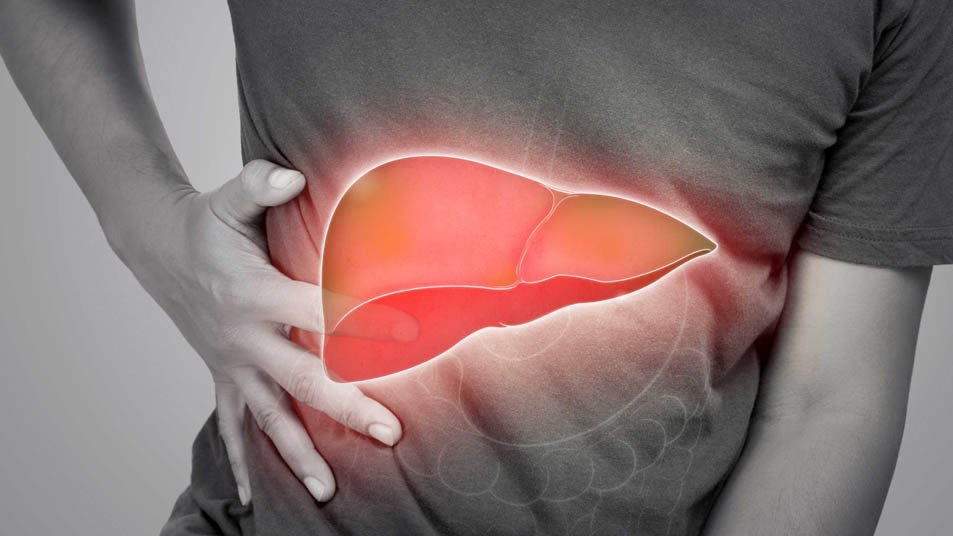
Interventional radiology is a medical specialty that uses image guidance to perform minimally invasive procedures, and small instruments like catheters and needles can be used to diagnose and treat a wide range of conditions throughout the body. This approach is often applied in the management of liver diseases, which encompass various conditions affecting liver function. Here’s information on liver disease symptoms, its stages, and how it is treated:
Liver Disease Basics
Liver disease refers to any condition that damages the liver and impairs its ability to function. Some conditions impair the liver’s ability to perform its functions, such as filtering toxins, aiding digestion, and regulating blood chemistry. Liver disease may result from various causes, including viral infections, excessive alcohol consumption, autoimmune disorders, genetic factors, or non-alcoholic fatty liver disease (NAFLD). When left untreated, liver disease can progress through four main stages, leading to irreversible damage.
The four stages of liver damage progression are:
- Inflammation (Hepatitis): Hepatitis occurs when liver tissues become inflamed or enlarged. Liver inflammation can become chronic, leading to the next stage of disease.
- Fibrosis: In this stage, scar tissue begins to form in the liver as a response to persistent inflammation. This scarring impacts liver functionality.
- Cirrhosis: When severe scarring hardens the liver’s tissues, it significantly disrupts its structure and function.
- Liver Failure: This final stage causes the liver to lose most or all of its ability to function, which is a life-threatening condition.
The symptoms of liver disease vary depending on the underlying cause and severity, but individuals may experience fatigue, abdominal pain or discomfort, and jaundice, which is characterized by yellowing of the skin and eyes. Swelling can occur in the legs and abdomen, often due to fluid accumulation known as edema and ascites. Other possible manifestations include nausea, vomiting, itching, dark urine, and pale-colored stool. These liver disease symptoms can develop gradually and may sometimes be subtle in the early stages of liver disease.
Diagnostic Radiology
Diagnostic radiology plays a fundamental role in evaluating liver health. Radiologists use imaging techniques to guide instruments for tissue sampling, visualize blood vessels, and assess the extent of liver damage. This information helps in forming an accurate diagnosis and planning appropriate management for patients.
Interventional Radiology
Interventional radiology offers several minimally invasive treatment options for managing liver disease and its complications. For certain liver tumors, physicians may perform ablation to destroy abnormal tissue with heat or cold, or they can use embolization to block the blood supply feeding the lesion. In cases of portal hypertension, a condition often linked to cirrhosis, a procedure can be performed to create a new path for blood flow and reduce pressure. Interventional radiologists also perform image-guided procedures to drain excess fluid from the abdomen or to obtain biopsies.
Liver Biopsies
A liver biopsy is a procedure to obtain a small sample of liver tissue for examination. A radiologist inserts a thin tube into a large vein in the neck (the jugular vein) and guides it down to the veins within the liver to collect the sample. This method is often selected for individuals with certain conditions, like fluid buildup in the abdomen (ascites).
Angiography
Angiography is an imaging technique used to visualize blood vessels. For liver diagnostic evaluation, hepatic angiography involves injecting a contrast agent into the liver’s arteries and veins to make them visible on X-ray images. This procedure reveals details about blood flow patterns and can identify abnormalities within the vessels. The information gathered from an angiography can be used for diagnosis and subsequent treatment planning.
Learn More About Liver Disease Symptoms
Understanding liver disease begins with recognizing its potential signs and the methods used for diagnosis and treatment. To learn more at home, review materials from established medical organizations for further information. For personalized medical advice, contact a gastroenterologist for a thorough evaluation.
Leave a Reply