
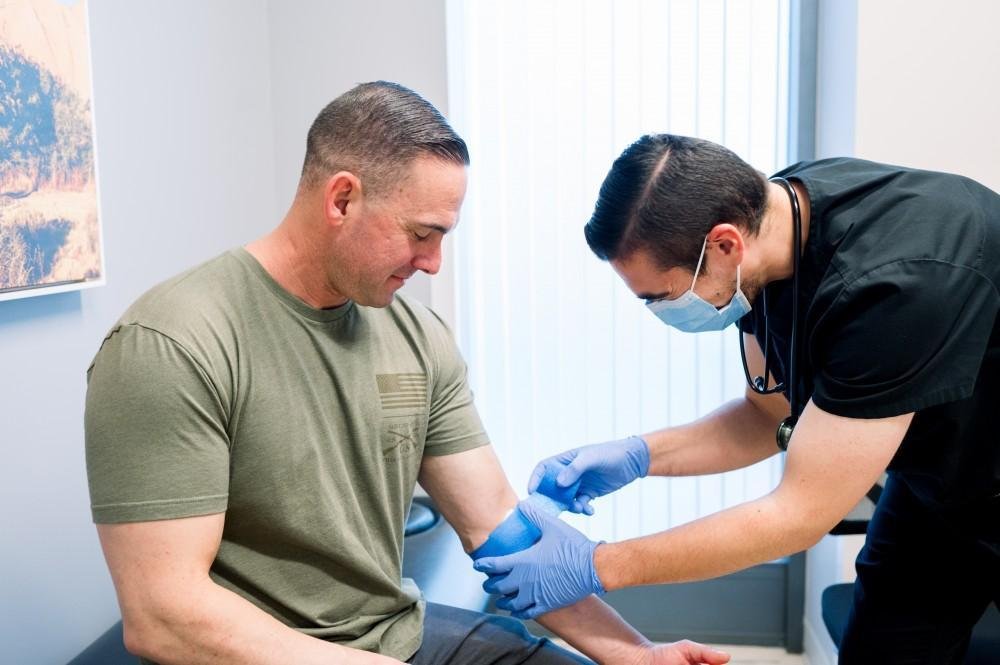
Hormone replacement therapy is a medical treatment to restore hormonal balance. It is often used to relieve symptoms of menopause, thyroid disorders, or other hormone-related conditions. While it can offer significant benefits, it’s necessary to understand the potential risks and individual concerns before starting treatment. Here’s a closer look at the benefits and risks of hormone therapy:
What Is Hormone Replacement Therapy?
Hormone replacement therapy (HRT) is a treatment that addresses hormonal deficiencies. The fundamental goal of hormone therapy is to counteract the effects of hormonal imbalances by reintroducing hormones into the body. One common method involves using bioidentical hormones, which are molecularly identical to the hormones the body naturally produces. This structural similarity allows the body to accept and use them effectively. A medical professional will conduct blood tests to measure current hormone levels and create a customized treatment plan to restore your hormones to an optimal range.
What Are the Benefits?
Hormone restoration offers a range of benefits that address the symptoms of hormonal decline. The primary objective is to improve the overall quality of life and restore a sense of well-being. Here are some of the key benefits:
- Improved Energy Levels: HRT addresses persistent fatigue that often accompanies hormonal imbalances, leading to increased energy.
- Anxiety and Depression Relief: Therapy may help alleviate symptoms of anxiety and depression by stabilizing hormone levels.
- Better Sleep Quality: Restoring hormonal balance often leads to restful and consistent sleep.
- Boosted Libido: A decline in hormones is a frequent cause of low libido, and HRT restores sexual desire and function.
- Weight Management: Hormonal imbalances often contribute to weight gain, and rebalancing them can make it easier to manage weight.
- Reduced Osteoporosis Risk: Hormone therapy can help maintain bone density, thereby reducing the risk of osteoporosis.
These benefits collectively contribute to helping individuals address the physical and mental aspects of aging.
What Are the Possible Risks?
While hormone replacement therapy has many benefits, it is also associated with certain risks and potential side effects. The likelihood and severity of these can depend on the type of hormone therapy, dosage, treatment duration, and individual health factors. Here are some of the noted risks:
- Blood Clots: Certain forms of hormone therapy may increase the risk of developing blood clots in the legs or lungs.
- Heart-Related Issues: Depending on the timing and type of HRT, there can be an increased risk of heart attack or stroke.
- Increased Cancer Risk: Long-term use of some types of hormone therapy has been linked to a higher risk of certain cancers.
- Gallbladder Problems: HRT may increase the likelihood of developing gallbladder or gallstone issues.
- Minor Side Effects: Some individuals may experience less severe side effects, such as bloating, headaches, or mood swings, as their body adjusts to the treatment.
Discussing your personal and family medical history with a doctor is a key step in evaluating these potential risks.
Is HRT Right for You?
Deciding whether to begin hormone replacement therapy requires careful thought and a thorough discussion with a qualified medical professional. A key first step is a consultation to discuss your symptoms, treatment goals, and medical history. Based on this information and the results of a blood test, a doctor can determine if you are a suitable candidate for hormone therapy. Make sure to discuss all the potential benefits and risks as they apply to your specific health profile.
Learn More About Hormone Replacement Therapy
Hormone therapy aims to alleviate symptoms associated with aging and hormonal decline by restoring hormone levels. While the benefits can be significant, it is also helpful to be aware of the possible risks. A comprehensive consultation with a healthcare provider is fundamental to determining if HRT is right for you. If you are experiencing symptoms of hormone imbalance, contact a hormone specialist near you to schedule your consultation and learn more about hormone replacement.
Leave a Reply