
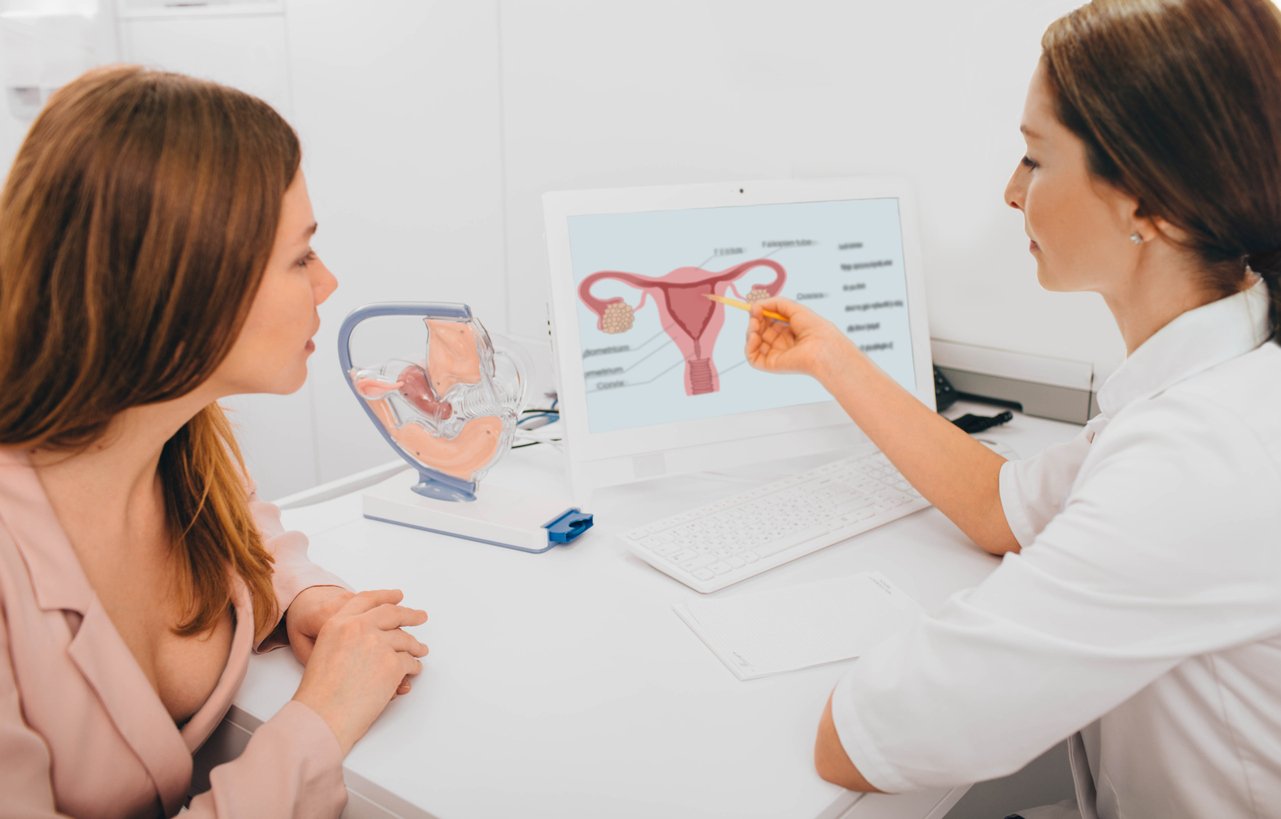
Gynecology is a medical specialty focused on the health of the female reproductive system. Understanding common gynecological conditions aids in managing overall health. Many individuals experience issues related to reproductive health at some point, and recognizing the symptoms of these conditions allows for timely consultation with a healthcare provider.
Menstrual Disorders
Menstrual disorders are a common reason for seeking gynecology care and can significantly disrupt daily life. Understanding these conditions is key to managing reproductive health effectively. Common types of menstrual disorders include:
- Irregular Periods: Cycles that vary significantly in length or are unpredictable. Hormonal imbalances, stress, changes in body weight, or certain medical conditions can influence these.
- Menorrhagia: Unusually heavy or prolonged bleeding during menstruation. This can lead to symptoms such as fatigue and iron-deficiency anemia due to excessive blood loss.
- Dysmenorrhea: Painful periods that may include severe cramping. While some discomfort is normal, debilitating pain warrants medical evaluation as it could indicate underlying conditions like endometriosis or uterine fibroids.
Tracking your menstrual cycle and any associated symptoms can provide information for your healthcare provider during a consultation, aiding in a diagnosis and management strategies.
Endometriosis
Endometriosis is a condition in which tissue resembling the lining of the uterus, called the endometrium, develops outside the uterine cavity. This misplaced tissue can grow on the ovaries, fallopian tubes, or other pelvic organs. With each menstrual cycle, this tissue thickens, breaks down, and bleeds.
Because this tissue cannot exit the body, it becomes trapped, leading to the formation of scar tissue and adhesions. Common symptoms include significant pelvic pain, particularly during menstruation, and discomfort during intercourse. Prompt diagnosis and management are helpful for individuals experiencing these symptoms.
PCOS
Polycystic Ovary Syndrome (PCOS) is a hormonal disorder common among women of reproductive age. Individuals with PCOS may experience infrequent or prolonged menstrual periods or have excess male hormone (androgen) levels. The ovaries may develop numerous small collections of fluid, called follicles, and fail to release eggs regularly. The exact cause of PCOS is unknown, but its symptoms can include:
- Irregular menstrual cycles
- Excess hair growth, acne, or male-pattern baldness
This condition can also have long-term health implications if not properly managed.
Vaginal Infections
Vaginal infections are a frequent concern, often stemming from an imbalance in the natural bacteria of the vagina. Conditions such as bacterial vaginosis and yeast infections may present with symptoms like unusual discharge, itching, and irritation. While some individuals may attempt to self-treat, an accurate diagnosis is necessary to receive the correct care. Consulting a medical professional helps confirm the specific cause and obtain suitable guidance.
Take Charge of Your Gynecology Care
Understanding the symptoms of common gynecological conditions is the first step toward proactive health management. Issues ranging from menstrual disorders to vaginal infections can affect well-being, but they can be addressed with professional guidance. Monitoring your body and communicating openly with a medical professional are key components of gynecology care. For personalized advice and to address any concerns you may have, schedule a consultation with a gynecologist in your area.
Leave a Reply