
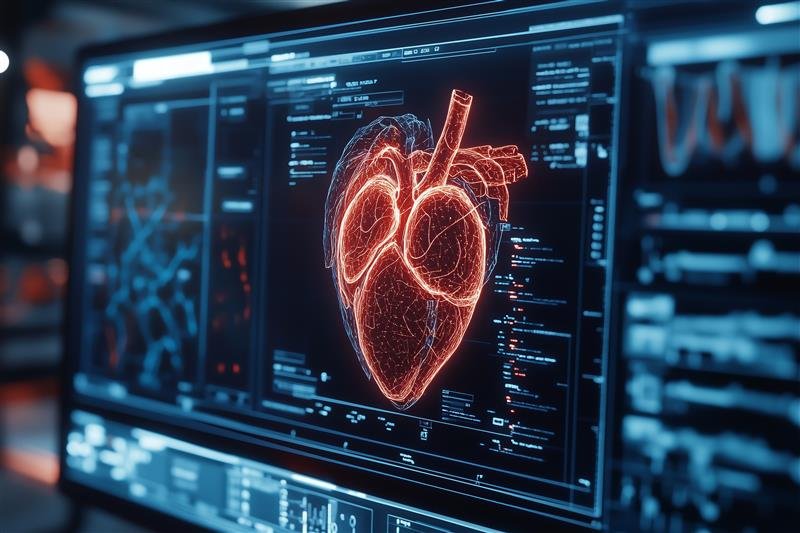
Cardiology addresses conditions involving the heart and blood vessels, and technology continues to reshape this field with new diagnostic and treatment options. Understanding the range of tools and procedures available, such as echocardiograms and stress tests, enables patients and healthcare providers to make informed decisions about cardiovascular care. Here are several key technologies and treatments in cardiology:
Using Imaging To Conduct Assessments
Imaging tools supply detailed insights about the heart’s structure and function. These technologies provide clinicians with a valuable foundation for evaluating cardiovascular health and identifying potential concerns. They include:
- Echocardiogram: By creating real-time images with sound waves, echocardiograms allow practitioners to review the heart’s size, structure, and movement. This non-invasive test provides a clear view of the heart chambers and any irregular tissue motion.
- Cardiac Computed Tomography (CT): Cardiac CT scans use X-rays to build three-dimensional cross-sectional images of the heart and blood vessels. This approach is helpful for identifying plaque, assessing anatomical variation, or investigating other structural details within the cardiovascular system.
- Holter and Event Monitors: These portable devices track the heart’s electrical patterns over time, helping to detect arrhythmias and provide data that brief office visits may not capture. A Holter monitor records continuously, while event monitors activate when symptoms appear.
Imaging and monitoring represent key developments in helping clinicians track, diagnose, and understand a range of cardiac issues. The ability to visualize and record heart activity supports early identification and tailored intervention.
Exploring Minimally Invasive Procedures
Catheter-based procedures have become fundamental tools in cardiology. Compared to traditional surgery, these techniques can reduce recovery time while achieving targeted results. Angioplasty with stenting involves threading a thin catheter through the narrowed arteries to open them. A small balloon at the catheter’s tip inflates to compress plaque against the artery wall; this promotes better blood flow. In many procedures, a mesh stent remains in place to support long-term vessel function.
Transcatheter aortic valve replacement (TAVR) provides an option when the aortic valve fails to open as it should. Instead of removing the old valve, practitioners guide a replacement valve into position using a catheter placed through an artery. This method allows for valve replacement with less disruption to surrounding tissue.
Minimally invasive strategies like angioplasty and TAVR provide a helpful alternative to open surgery for certain individuals. They support a targeted approach with fundamental benefits for recovery and functionality. Patients may experience shorter hospital stays, and some return to normal activities more quickly as well.
Managing Heart Rhythms With Technology
Advancements in electrophysiology focus on diagnosing and treating disturbances in the heart’s electrical signals. Precision tools and devices have increased the range of management strategies for rhythm concerns. Catheter ablation targets the site of irregular electrical activity in the heart. By applying controlled energy using either heat or cold, practitioners create small scars that block abnormal signals; this restores more regular heart rhythms.
Pacemakers and implantable cardioverter-defibrillators (ICDs) represent key advancements. A pacemaker sends gentle pulses to prompt the heart to beat at a consistent rate. ICDs combine monitoring and response; they’re capable of detecting dangerous rhythms and delivering swift correction through electrical impulses. Devices and targeted procedures offer fundamental support for patients facing rhythm disturbances, promoting stability and monitoring as part of ongoing care.
Meet With a Cardiology Specialist
New technologies and treatments contribute to a broad toolkit for cardiovascular health. Imaging, minimally invasive procedures, and rhythm management support clinicians in delivering focused and precise care. As cardiology techniques evolve, contemplating these options with a qualified provider helps optimize care choices. Contact a cardiologist specialist today to discuss your heart health.
Leave a Reply