
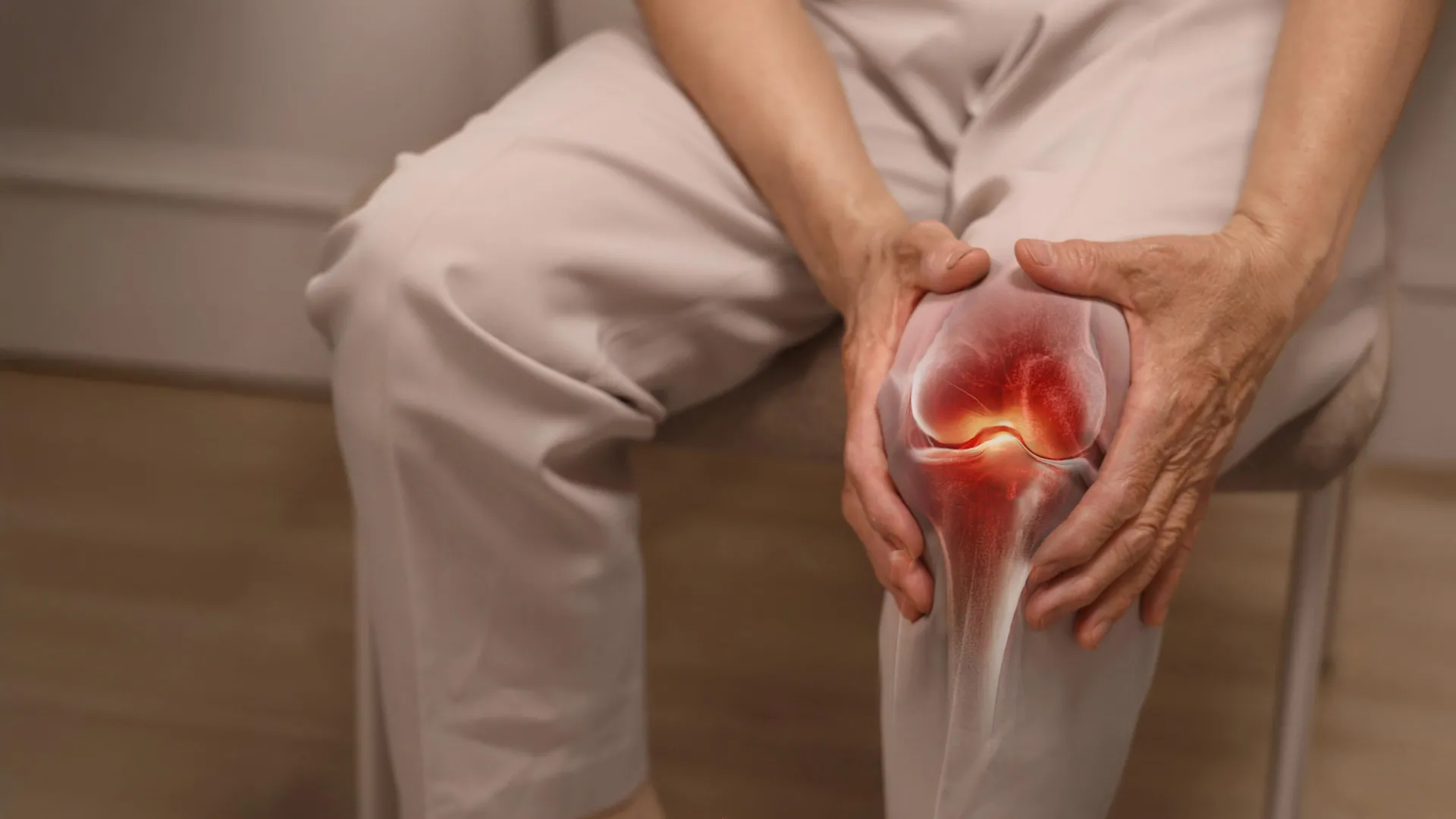
The knee joint is susceptible to a variety of injuries and conditions that can cause pain. Knee pain is a common complaint that affects people of all ages, stemming from acute injuries, overuse syndromes, or degenerative diseases. This discomfort can limit mobility, disrupt daily activities, and reduce overall quality of life. Understanding the origins of this pain and the available diagnostic and treatment options is a key step for individuals seeking relief.
What Causes Knee Pain?
The causes of knee pain are diverse and can be categorized into several groups. Acute injuries often occur during sports or accidents. These can include tears of the ligaments that stabilize the knee, such as the ACL or MCL. Another common acute injury is a meniscus tear, which involves damage to the cartilage that cushions the knee joint.
Overuse syndromes develop over time from repetitive stress on the knee. Conditions like patellar tendinopathy involve inflammation of the tendon connecting the kneecap to the shinbone. Iliotibial (IT) band syndrome results from irritation of the thick band of tissue running along the outside of the thigh.
Degenerative conditions are another frequent source of knee pain, with osteoarthritis being the most prevalent. This condition involves the gradual breakdown of protective cartilage, leading to pain, stiffness, and swelling. Other potential causes of knee pain include bursitis, which is the inflammation of the small fluid-filled sacs that cushion the knee joint.
How Is It Diagnosed?
A thorough diagnostic process is fundamental to identifying the source of knee pain and guiding an appropriate course of action. The evaluation typically begins with a detailed medical history, where a physician will ask about the onset of the pain, its specific location, the types of activities that worsen or alleviate it, and any previous injuries. Following the history, a physical examination is performed.
When a physical exam is not sufficient to confirm a diagnosis, imaging studies may be ordered. X-rays are commonly used to visualize bone structures, identify fractures, and assess joint space narrowing associated with arthritis. For more detailed views of soft tissues like ligaments, tendons, and cartilage, an MRI or a CT scan may be utilized.
How Is It Treated?
Treatment for knee pain is tailored to the individual and the underlying cause. The approach often follows a spectrum from conservative measures to more advanced interventions. Initial strategies may include activity modification to avoid movements that aggravate the pain, combined with structured physical therapy. Physical therapy aims to strengthen the muscles that support the knee, improve flexibility, and restore normal function.
Medications, such as nonsteroidal anti-inflammatory drugs (NSAIDs), may be suggested to manage pain and inflammation. For more targeted relief, injections can be administered directly into the knee area. Corticosteroid injections are used to reduce inflammation and swelling. Other types of injections, such as platelet-rich plasma (PRP), utilize components from a person’s own blood to support the body’s natural healing processes.
For persistent pain that does not respond to other treatments, more advanced image-guided techniques may be available. Radiofrequency ablation is a procedure that uses heat generated by radio waves to disrupt pain signals from specific nerves. Peripheral nerve stimulation involves placing small electrodes near the affected nerves to deliver mild electrical pulses that can interfere with pain signals traveling to the brain.
Consult a Pain Management Specialist
Individuals experiencing persistent or debilitating knee pain may find it beneficial to consult a specialist in pain management. These physicians have specialized training in diagnosing and treating complex pain conditions. By working with a specialist, patients can gain access to a comprehensive range of treatment options designed to alleviate pain, enhance function, and improve their overall quality of life.
Leave a Reply