
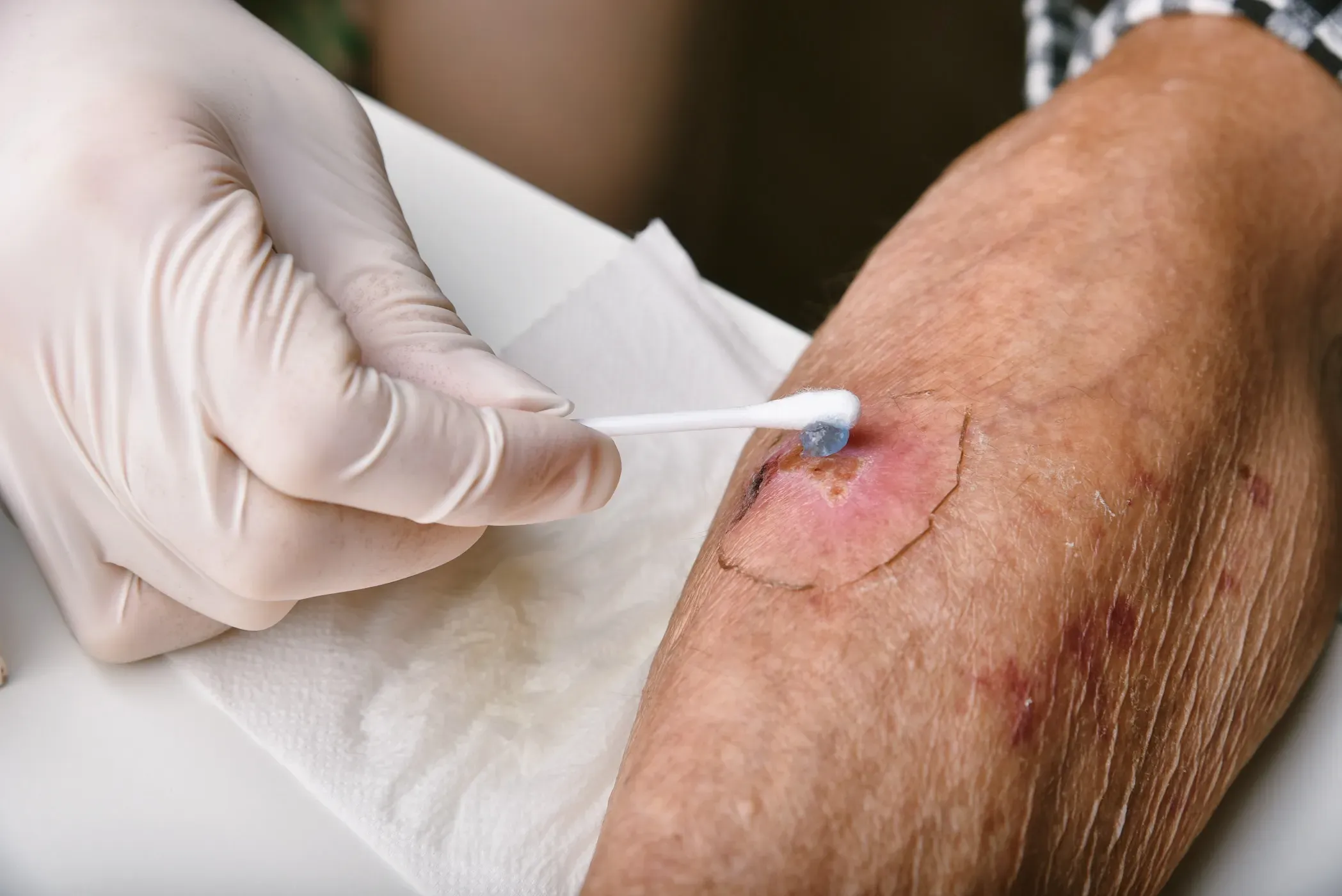
Pressure ulcers, also known as bed sores, are injuries to the skin and underlying tissue that result from prolonged pressure on the skin. This condition can affect anyone with limited mobility, so understanding the causes and treatment options is key for effective management. Here is more information on pressure ulcers and the wound care treatments available:
What Are Pressure Ulcers?
Pressure ulcers are localized areas of tissue damage that develop when soft tissue is compressed between a bony prominence and an external surface for an extended period, commonly forming on areas like the hips, tailbone, and heels. The constant pressure restricts blood flow to the skin, which can lead to tissue damage if not addressed. Proper wound care is integral for managing these ulcers, as it helps prevent infection and promotes healing.
What Causes Them?
The primary cause of pressure ulcers is sustained pressure that cuts off circulation to vulnerable parts of the body, and this is especially common for individuals who are bedridden or use a wheelchair. Friction, which occurs when skin rubs against clothing or bedding, can also increase the skin’s susceptibility to injury. Shear happens when two surfaces move in opposite directions. This can occur when a hospital bed is elevated at the head, causing the body to slide down.
What Does Wound Care Involve?
Wound care for pressure ulcers is a structured process designed to heal the affected tissue, involving multiple treatment modalities. A podiatrist will assess the wound to determine the appropriate course of action, which may include a combination of therapies. Here is more information on the different techniques available:
Medical and Therapeutic Treatments
Several medical and therapeutic treatments can be used to manage pressure ulcers. Topical medications may be applied directly to the wound to promote healing, and antibiotic therapy is often prescribed if an infection is present. Other approaches include laser therapy, which uses light to stimulate tissue repair, and restorative cell treatments that introduce new cells to the wound site.
Wound Closure and Dressings
More advanced cases may require specific procedures to close the wound, and debridement involves removing dead or infected tissue to allow healthy tissue to grow. Vacuum-assisted wound closure uses negative pressure to draw fluid from the wound and increase blood flow. Surgical wound closure may be performed for deep ulcers. Skin grafting covers the wound, and advanced wound dressings are applied to protect the area and facilitate healing.
How Is Professional Guidance Beneficial?
Professional guidance from a podiatrist offers specialized knowledge in wound assessment and treatment planning. Podiatrists can accurately stage the ulcer and determine appropriate interventions, and they monitor healing progress to adjust treatment as needed. They identify underlying factors contributing to wound development, such as poor circulation or neuropathy.
Podiatrists can recommend preventive measures to avoid future ulcers. They provide education on proper skin inspection techniques and positioning strategies, and they may suggest specialized footwear or support surfaces. Professional guidance addresses both immediate treatment needs and long-term prevention.
Treat Your Pressure Ulcer Now
Pressure ulcers can lead to serious complications if not properly managed, so early intervention is key. Understanding the causes and recognizing the symptoms allows for prompt action, and a range of wound care treatments are available to promote healing. If you have a pressure ulcer, consulting a podiatrist can provide you with the care needed to treat the condition.
Leave a Reply