
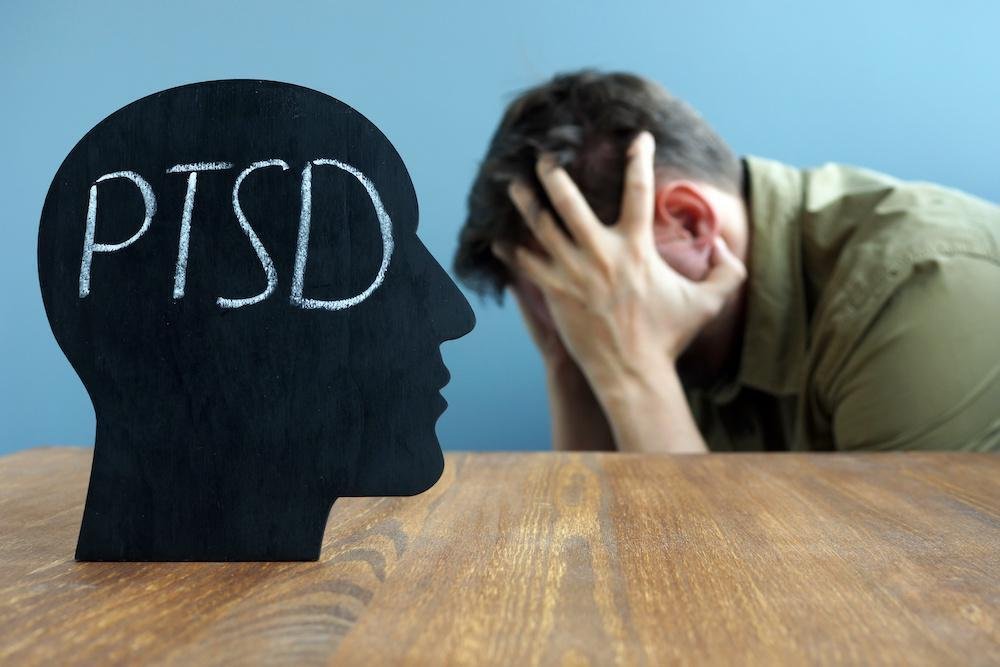
Post-traumatic stress disorder (PTSD) is a mental health condition that some people develop following a traumatic event. While recovery paths are unique to each individual, a combination of professional therapy and robust support systems can help people manage symptoms and improve their quality of life. Navigating the path forward often begins with accessing information and connecting with qualified mental health professionals who can provide guidance and care.
What Is PTSD?
PTSD is a mental health condition that can develop after a person experiences or witnesses a terrifying, shocking, or dangerous event. It is natural to feel afraid during and after a traumatic situation. Most people who experience a traumatic event recover from initial symptoms naturally. People who continue to experience problems may be diagnosed with PTSD.
Events that may lead to PTSD include, but are not limited to, serious accidents, physical or sexual assault, natural disasters, combat exposure, or other life-threatening situations. Not everyone with PTSD has been through a dangerous event. Learning that a friend or family member experienced trauma can cause PTSD. The condition can affect anyone, regardless of age, gender, or background.
What Are the Symptoms?
Symptoms of PTSD usually begin within a few months of the traumatic incident, but they may also appear years afterward. For a diagnosis to be made, symptoms must last for more than a month and be severe enough to interfere with relationships or work. The course of the condition varies. Some people recover within six months, while others have symptoms that last much longer.
PTSD symptoms are generally grouped into four types:
- Intrusive Memories: Some individuals report recurrent, unwanted, distressing memories of the traumatic event. This can manifest as flashbacks, where a person feels as though the event is happening again.
- Avoidance: A person may try to avoid thinking or talking about the traumatic event. They may also avoid places, activities, or people that remind them of the experience.
- Negative Changes in Mood and Cognition: This category includes a range of feelings and beliefs. Symptoms may include persistent and distorted beliefs about oneself or others, ongoing fear, horror, anger, guilt, or shame.
- Changes in Physical and Emotional Reactions: Arousal symptoms are often constant. A person may be easily startled or frightened, always be on guard for danger, and have trouble sleeping or concentrating.
What Options Are Available for Treatment?
A variety of treatment options can help people with PTSD manage their symptoms and regain a sense of control over their lives. Psychotherapies, or talk therapies, are a primary approach. These include trauma-focused cognitive behavioral therapy (TF-CBT), which helps people process their memories and change unhelpful thinking patterns. Certain medications may be prescribed to help manage specific PTSD symptoms like anxiety or sleep disturbances.
In addition to formal treatment, lifestyle elements and support networks contribute to well-being. Peer support programs connect individuals with others who have lived experience with PTSD. For those facing immediate distress, crisis resources and hotlines offer immediate support. Some specialized clinics may offer ketamine therapy as part of a supervised, comprehensive care plan for treatment-resistant conditions.
Seek Professional Mental Health Services
Navigating PTSD requires a coordinated approach to care. A mental health professional can conduct a thorough assessment, provide an accurate diagnosis, and develop a structured treatment plan tailored to an individual’s specific needs and goals. Accessing professional support in a timely manner can help people learn to navigate symptoms, improve daily functioning, and move forward.
Leave a Reply