
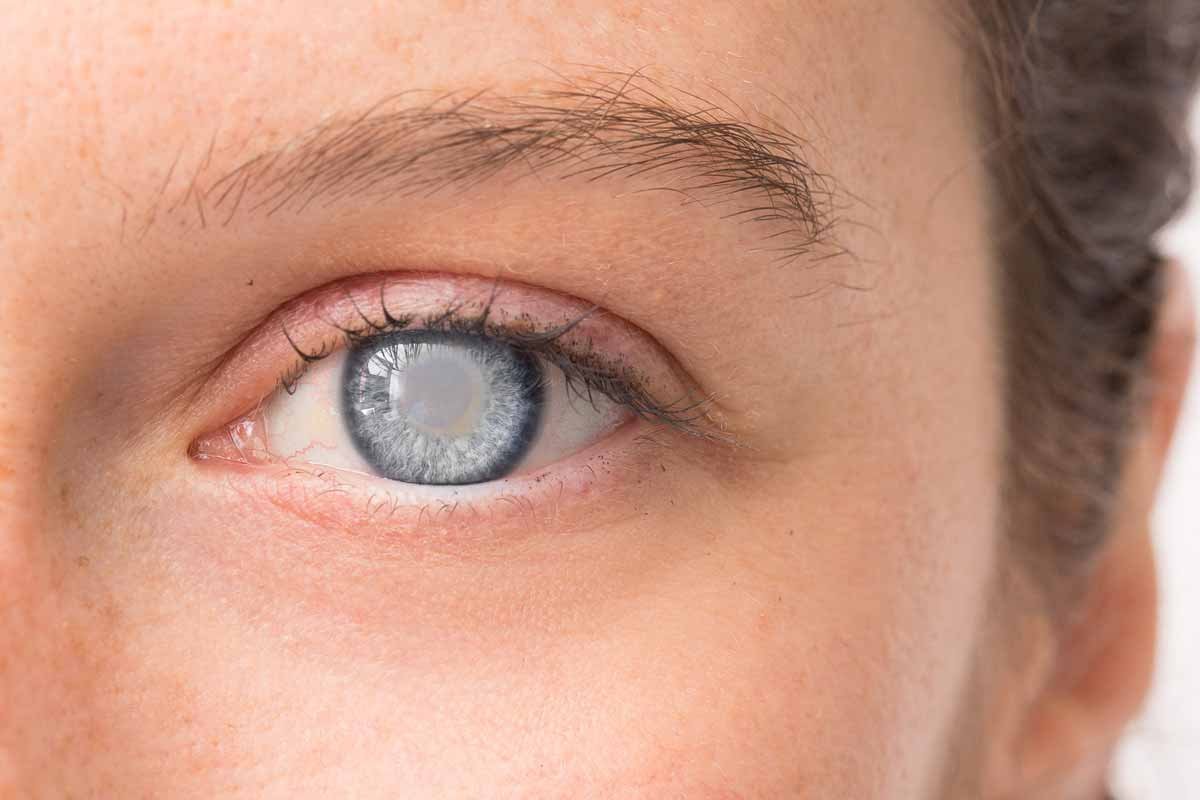
Cataracts develop when proteins in the eye’s natural lens clump together, and this clouding blocks light from reaching the retina. Most people do not notice these changes immediately because the process is slow and painless. While cataracts are a part of aging, understanding their mechanism helps you spot early warning signs sooner. Here are some early signs of cataracts:
Blurry Vision
You might notice that objects look hazy or out of focus, which is typically the first noticeable symptom of cataracts. This blurring effect resembles looking through a frosted or dirty window, and it gradually worsens over time. Because the lens is no longer clear, your eye struggles to focus sharp images on the retina.
The cloudiness might affect only a small part of the lens initially, but it eventually grows larger and denser. You may find yourself squinting to see clearly, or you might clean your glasses repeatedly without success. Simple tasks, such as reading a book or watching television, become frustrating as the blurriness intensifies.
Increased Light Sensitivity
Bright lights may cause discomfort for people with developing cataracts, and glare becomes a significant issue. Sunlight or indoor lighting may feel too intense, or it might cause your eyes to water excessively. As light scatters through the cloudy lens, it creates a painful glare rather than a clear image.
You might see halos around light sources, including:
- Streetlamps at night
- Headlights from oncoming cars
- Overhead fixtures
These rings of light make driving or navigating in bright environments difficult and sometimes dangerous. The glare interferes with your ability to see your surroundings clearly, so you must pay attention to these visual disturbances.
Poor Night Vision
Driving at night may become increasingly challenging as cataracts progress, for your eyes cannot adjust well to dim conditions. You may struggle to see road signs clearly, or you might find the darkness feels much deeper than before. Because the lens is cloudy, less light enters the eye, which significantly reduces your vision in low-light settings.
Repeated Vision Adjustments
People may visit their eye doctor repeatedly because their prescription seems to change constantly. You might buy new glasses, but the improvement typically lasts only a short time before vision deteriorates again. This fluctuation happens because the cataract alters the density of the lens, shifting the way your eye refracts light.
Sometimes, a temporary improvement in near vision occurs, but this phenomenon is fleeting. You might briefly read without reading glasses, yet the distance vision remains poor or worsens simultaneously. As the cataract matures, these frequent prescription updates stop working entirely, and surgery becomes the only option for clear sight.
Colors may also appear faded or yellowish because the cataract acts like a filter over your vision. A white shirt might look beige, and vibrant paintings may lose their brilliance. When these visual changes occur, you need a comprehensive eye exam to determine the underlying cause.
Get Checked for Cataracts Today
Regular eye exams detect cataracts early, and they allow your doctor to monitor the health of your eyes. While you cannot prevent cataracts, early diagnosis gives you time to plan for treatment options. If you notice any changes in your vision, schedule an appointment with an eye care professional immediately.
Leave a Reply