
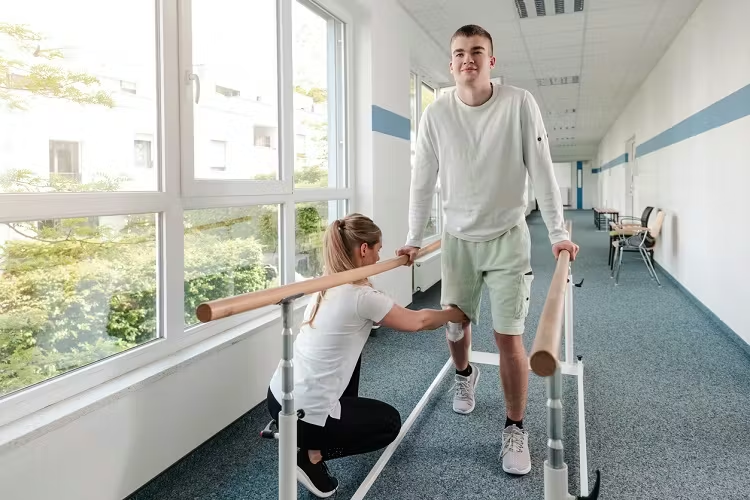
When a spinal cord injury happens, there is damage to the vertebrae. This damage disrupts signals between the brain and the rest of the body, and the effects may be widespread. The path to recovery involves various approaches that are based on individual needs. Here is more information about ways to help recover from spinal cord injuries:
Physical Therapy
Physical therapy focuses on restoring movement and function. While a therapist guides you through exercises, you work to strengthen muscles and improve coordination. These exercises help manage muscle spasticity, so you may regain some level of mobility and independence over time. A consistent therapy plan is a key part of the recovery process.
Prescription Medications
Doctors may prescribe medications to manage symptoms associated with spinal cord injuries. Pain management is a primary goal, and different medications address various types of pain. These drugs work by targeting specific pain signals or reducing inflammation. Your medical team will determine the appropriate medication and dosage for your situation.
Another aspect of medication management involves controlling muscle spasticity. Uncontrolled muscle tightness is a typical issue after a spinal cord injury, which makes movement difficult. Certain medications help relax these muscles, and they may improve comfort and function. Adjustments to these prescriptions may occur as your condition changes.
Secondary health issues may also require medication. After an injury, individuals might face challenges with bladder and bowel control or be at risk for certain infections. Medications are available to help manage these functions and prevent complications. Regular follow-ups with your doctor help in managing your overall health effectively.
Assistive Devices
Assistive devices provide support for daily activities and mobility after spinal cord injuries. Wheelchairs, both manual and powered, are standard mobility aids. They offer a way to navigate your environment, and you might find that one type suits your needs better than another. Learning to use them properly is part of adapting to life after injury.
Technology also offers many tools to help with daily tasks. Devices for home automation, specialized computer controls, and adaptive tools for eating or dressing are available. These technologies support independence by making everyday activities more accessible. They bridge the gap between ability and environment.
Interventional Techniques
Interventional techniques offer another path for managing symptoms. These are procedures performed by specialists to address specific issues, such as chronic pain or severe spasticity. Many of these techniques are minimally invasive.
Some available options include:
- Nerve blocks
- Spinal cord stimulators
- Intrathecal drug pumps
These interventions may provide relief when other treatments are not sufficient. Your specialist will explain the potential outcomes of each procedure. A thorough evaluation helps determine if you are a candidate for such techniques. It is important to have a detailed discussion with your healthcare provider about the risks and benefits of these interventions, as understanding the potential side effects and success rates can help you make an informed decision.
Address Spinal Cord Injuries
Navigating recovery from a spinal cord injury involves a comprehensive approach. A combination of therapies, medications, and other supports helps manage the effects of the injury. Recovery is a unique journey for each person, and your healthcare team will develop a plan for you. Contact us to learn more about our approach to managing spinal cord injuries.
Leave a Reply