
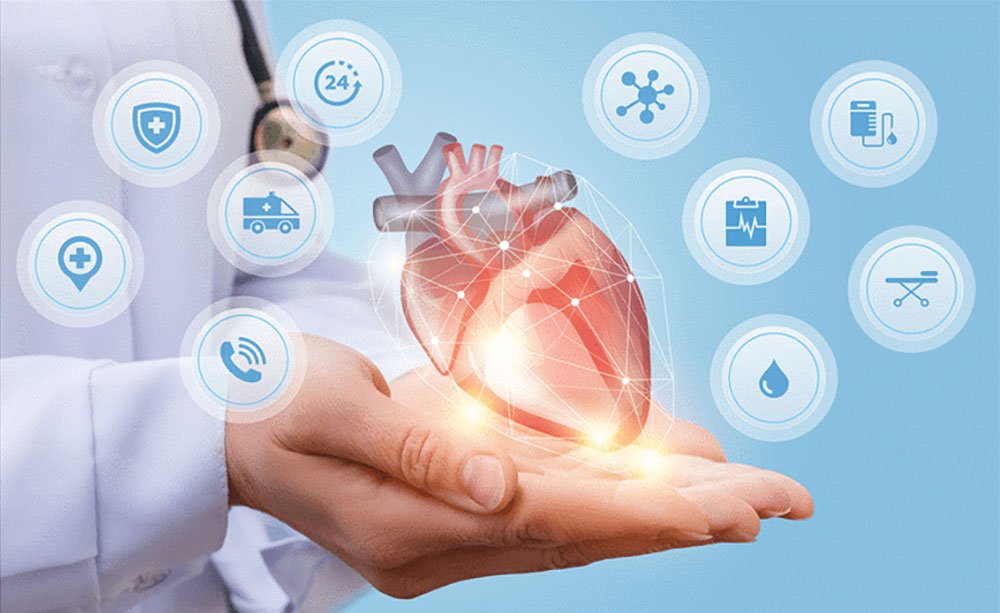
Cardiology specializes in the diagnosis and treatment of congenital heart defects, coronary artery disease, and heart failure. Because medical technology advances rapidly, physicians now use sophisticated tools to achieve greater accuracy during examinations. These innovations help doctors understand heart function, and they assist in guiding effective treatment plans. Here are some of the latest advances in cardiology:
Portable Electrocardiogram Devices
Portable electrocardiogram technology allows continuous monitoring of a patient’s electrical heart activity outside the clinic. Patients typically wear these small devices for days, and the sensors record irregularities as they occur. Since symptoms happen unpredictably, these gadgets capture data that standard in-office tests may miss. The device stores the information, and the doctor reviews the findings to determine a diagnosis.
Nuclear Stress Testing
Physicians may inject a small amount of a radioactive tracer into the bloodstream to accurately track blood flow. The tracer highlights the heart muscle, and a special camera captures images of uptake patterns. If the arteries are blocked, the images reveal areas where the tracer does not reach. This process identifies damaged tissue, so the cardiologist knows exactly where to focus treatment.
Because physical exertion stresses the heart, the test involves walking on a treadmill at intervals. The heart pumps harder during exercise, and the demand for oxygen increases significantly. Doctors compare resting images with stress images to identify discrepancies in blood circulation patterns. Monitoring heart rate is standard procedure, as the team watches for any abnormal responses.
Some cardiology patients possess physical limitations, so they cannot safely walk on a treadmill for testing. Doctors administer a pharmaceutical agent that mimics the physiological effects of exercise on the heart. While the patient lies still, the medication dilates the coronary arteries to simulate stress levels. The scan produces comparable results, and the physician evaluates the heart’s reaction to the stress.
Advanced Echocardiography
Cardiologists use high-frequency sound waves to create detailed, moving pictures of the heart’s chambers. The technician typically moves a transducer across the chest, and the device captures the echoes instantly. Because the images appear in real-time, cardiologists observe the heart beating and pumping blood immediately.
While traditional echocardiography is two-dimensional, new machines produce three-dimensional views of heart valves. This technology offers depth perception, and it helps surgeons plan complex repairs with greater precision. The detailed anatomical views provide measurements of the heart’s pumping capacity and overall structural integrity. Physicians analyze these 3D models, so they visualize spatial relationships between different heart structures.
Cardiac Catheterization
While the patient is under sedation, a specialist guides a catheter through a blood vessel. The thin tube reaches the heart, and the doctor performs necessary diagnostic or therapeutic procedures. Standard interventions during this procedure include:
- Measuring internal pressure
- Evaluating pumping ability
- Opening blocked arteries
- Biopsying heart tissue
This invasive method provides direct access to the heart for precise data collection and treatment. The team closely monitors the patient while the catheter remains in the cardiovascular system.
Visit a Cardiology Clinic
You might have risk factors for heart disease, or you may experience concerning symptoms. Diagnostic tools help your medical team accurately evaluate your current cardiovascular health. If you have a family history of heart issues, make an appointment for screening. Early detection may prevent complications, and professional guidance helps you maintain a healthy lifestyle long-term.
Leave a Reply