
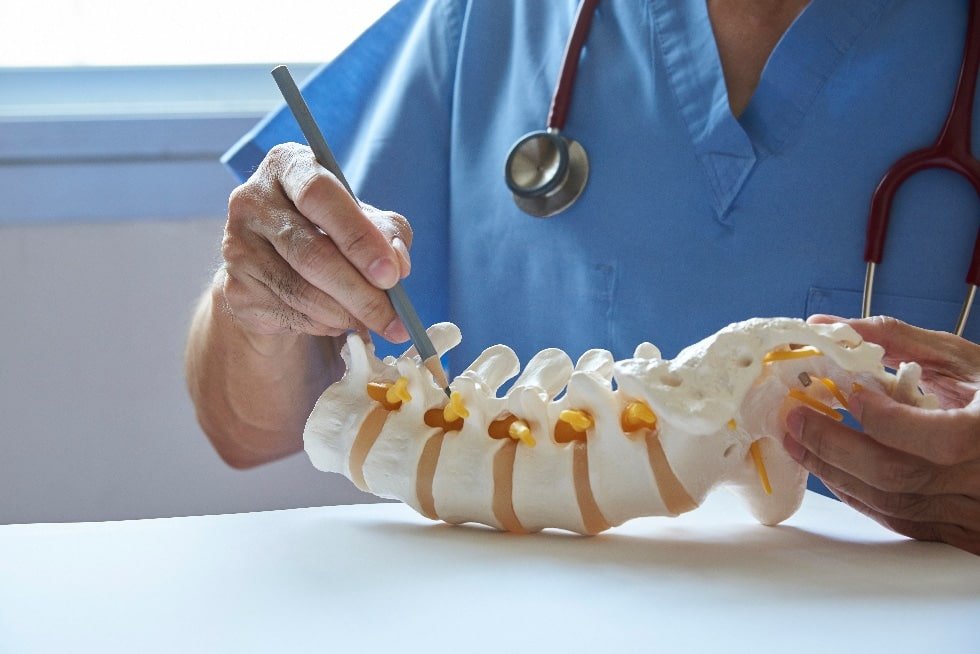
When joint pain or musculoskeletal issues disrupt daily activities, seeking guidance from a specialist becomes necessary for restoring quality of life. An initial consultation with an orthopedic surgeon serves as a primary step in understanding your condition and the available treatment paths. This meeting allows you to gather the facts needed to make informed decisions about your physical health.
Can Surgery Address Your Condition?
Orthopedic surgery encompasses a broad range of procedures designed to correct problems affecting the skeletal system and its associated attachments, such as ligaments and tendons. Patients may wonder if their specific issue warrants surgical intervention or if non-invasive methods suffice. Ask your orthopedic surgeon to explain if surgery can help address your condition. Common issues addressed through surgery include advanced arthritis, which wears down the cartilage cushioning joints.
Soft tissue injuries also frequently fall under this umbrella. Torn rotator cuffs in the shoulder or ruptured anterior cruciate ligaments (ACL) in the knee often require repair to restore function. Spinal conditions, such as herniated discs or spinal stenosis, can cause debilitating nerve pain that surgery aims to alleviate. Clarifying the severity of your specific condition helps set expectations. Ask about the progression of your ailment and whether the issue will worsen over time without intervention.
Are You a Candidate for Surgery?
Not every patient with orthopedic pain requires an operation, and surgeons evaluate multiple factors before recommending invasive procedures. During your consultation, inquire about the criteria used to determine candidacy for surgery. Surgeons may look for patients who have exhausted non-surgical options. If these non-invasive methods fail to provide adequate relief after a sufficient trial period, surgery becomes a more viable option.
What Should You Expect?
Detailed knowledge of the surgical process and recovery timeline provides clarity and helps you plan for the weeks following the procedure. Do not hesitate to ask for a step-by-step breakdown of what happens before, during, and after the operation. Start by asking about the procedure itself. Will it be an open surgery with a large incision, or an arthroscopic procedure using small incisions and cameras? Understanding the invasiveness of the surgery gives you insight into the potential recovery pain and scarring.
Recovery can be a challenging phase for patients. Inquire about the immediate postoperative period. Will you need to stay in the hospital, or is it an outpatient procedure? Ask about pain management protocols and what medications will be prescribed.
Rehabilitation is frequently a component of orthopedic recovery. Knowing whether you will need weeks or months of physical therapy helps you arrange your schedule and work commitments. Discuss restrictions on activities, such as driving and returning to work. Understanding these limitations prevents you from engaging in activities that could compromise the surgical repair.
Speak With an Orthopedic Surgeon
The relationship between a patient and their surgeon relies on clear communication and trust, so take the time to understand the answers provided. If a medical term is unclear, ask for a simplified explanation. A successful consultation may leave you feeling knowledgeable about the proposed treatment plan. By arriving prepared and engaging in a dialogue, you lay the groundwork for a successful partnership in your orthopedic care.
Leave a Reply