
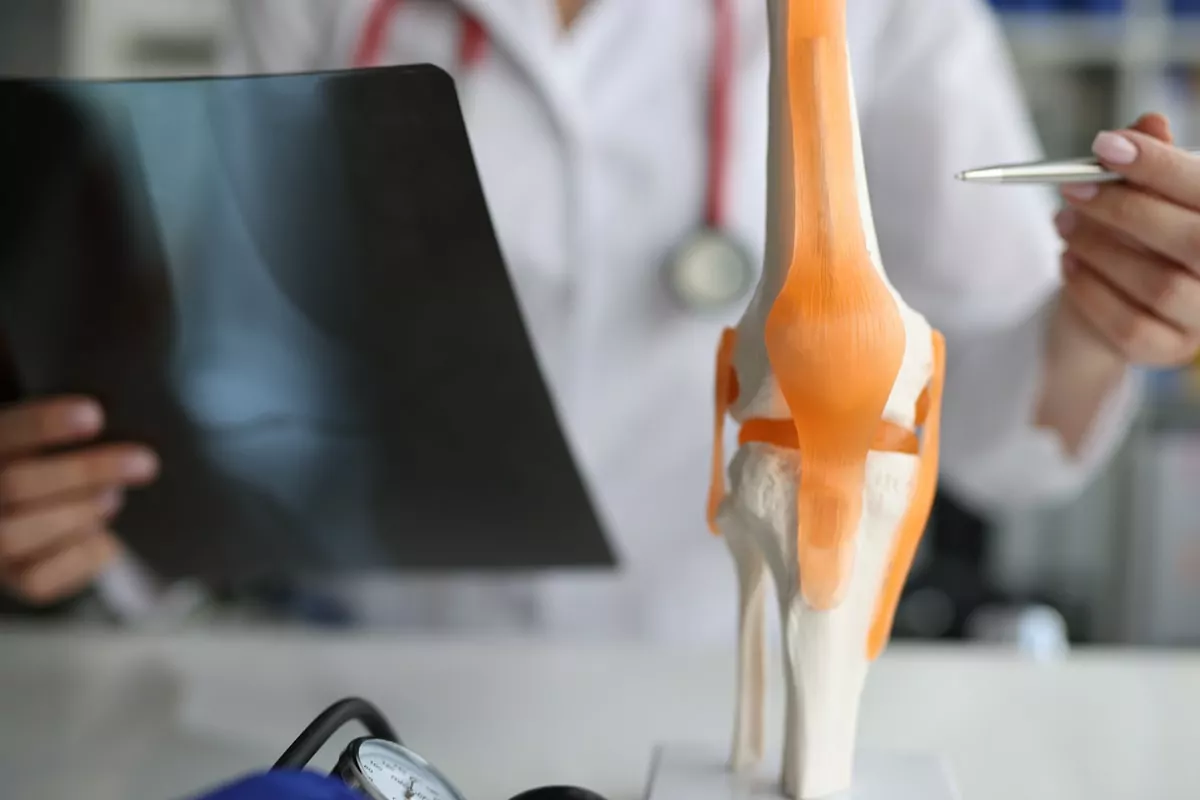
Chronic joint pain affects daily mobility and the overall quality of life for many individuals. While non-invasive treatments exist, they do not always provide sufficient relief, so surgical intervention becomes necessary. Arthroscopy offers a minimally invasive option for diagnosing and treating various joint conditions with precision.
What Is Arthroscopy?
Arthroscopy is a surgical procedure that allows doctors to view the joint without making a large incision. Surgeons insert a small camera, called an arthroscope, into the joint, and they view the images on a video monitor. This technology provides a clear view of the joint’s interior structure, enabling accurate diagnosis.
Why Is It Conducted?
Physicians recommend this procedure when X-rays and other imaging studies leave unanswered questions regarding a patient’s condition. It is used to diagnose inflammation, acute or chronic injury, and cartilage damage within the joint space. The procedure helps medical professionals formulate a precise treatment plan, and they can sometimes treat the issue immediately during the examination. Common conditions addressed include torn rotator cuffs, meniscal tears in the knee, and inflamed joint linings.
What Does the Process Involve?
The patient receives anesthesia before the surgery begins to prevent pain and discomfort throughout the operation. The type of anesthesia varies based on the specific joint involved and patient factors. A surgeon then creates a small incision to insert the arthroscope, and additional small incisions may be made for other surgical instruments.
Corrective surgery is performed using these specialized instruments if a problem is identified during the initial visualization. The surgeon carefully repairs torn ligaments or removes loose bone fragments, then closes the incisions. This approach minimizes tissue damage, so patients may experience less postoperative pain and stiffness. The entire process is monitored on a screen, enabling high-precision repair.
Recovery time varies depending on the complexity of the procedure and the patient’s overall health status. Patients typically return home the same day, but they should follow specific rehabilitation instructions to facilitate proper healing. Following the postoperative care plan is key to a successful outcome and long-term joint function.
How Is Joint Health Improved?
Arthroscopy directly addresses the mechanical issues causing pain and stiffness within the skeletal structure. By removing damaged cartilage or inflamed tissue, the joint functions more smoothly, and friction is reduced during movement. This mechanical correction helps prevent further deterioration of the joint surface and alleviates chronic discomfort. Restoring the smooth gliding motion of the joint surfaces is a primary goal of the intervention.
The procedure also aids in the precise diagnosis of conditions like arthritis or ligament instability. Early detection enables timely management strategies, and it slows the progression of degenerative diseases. Patients can maintain their mobility for longer periods, promoting overall physical health and activity levels. Addressing these issues early helps prevent compensatory injuries in other parts of the body.
What Are the Benefits?
The minimally invasive nature of arthroscopy results in less trauma to the connective tissue. Smaller incisions lead to less scarring, and the risk of infection may be reduced. Patients may require less pain medication during recovery, allowing for a faster return to daily activities and work responsibilities.
Facilitate Your Recovery Now
Persistent joint pain requires professional evaluation to determine the underlying cause and appropriate course of action. Arthroscopy provides a detailed view of the joint, and it offers effective treatment options with minimal disruption to the body’s tissues. Consult with a specialist to discuss if this procedure is appropriate for your specific condition.
Leave a Reply