
Undergoing any medical procedure can raise questions about what will happen to your body. Eye surgeons play a central role in guiding patients through each stage. Eye surgery is a precise process that involves careful preparation and recovery steps. Understanding the timeline helps you organize your schedule and manage expectations for healing.
Understanding the Preparation Phase
Eye surgeons will likely give you specific instructions days or weeks before the scheduled procedure. You might need to stop taking certain medications, or you may be asked to start using antibiotic drops to prep your eyes. Following these directions exactly helps your medical team perform the surgery safely and effectively.
On the day of the surgery, you should arrive at the clinic or hospital with a clean face free of makeup or lotions. You will need someone to drive you home afterward, as your vision will be blurry or your eyes may be covered. The medical staff will check you in and review your medical history one last time before you proceed to the operating room.
Conditions Treated by Eye Surgeons
Many different vision issues require surgical intervention to correct or manage symptoms. While some conditions are treated with medication, others involve physical changes to the eye’s structure that only surgery can address.
Common treatments requiring surgery include:
- Cataract Removal
- LASIK and Refractive Surgery
- Glaucoma Surgery
- Retinal Repair
- Eyelid Surgery (Blepharoplasty)
- Corneal Transplant
Your ophthalmologist determines the best approach based on your specific eye concern.
During the Procedure
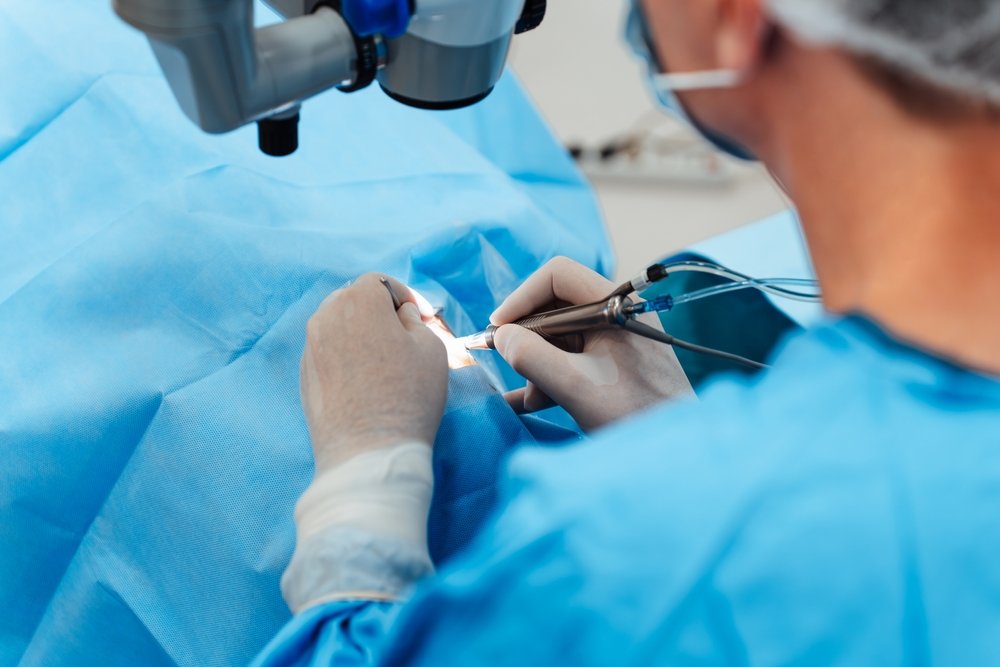
Most eye surgeries are performed on an outpatient basis, meaning you do not need to stay in the hospital overnight. Eye surgeons carry out these procedures with precision and specialized training. You will receive local anesthesia to numb the eye, and you might receive a sedative to help you stay calm during the process. The surgical team monitors your vital signs while the doctor performs the necessary work on your eye.
The duration of the surgery depends entirely on the complexity of the specific treatment you are receiving. Some laser procedures take only a few minutes per eye, but more invasive surgeries like retinal repair require significantly more time. You remain awake during most eye surgeries, although you will not feel pain due to the numbing agents used.
Immediate Post-Surgery Care
Once the surgery is complete, you will move to a recovery area where nurses monitor you for a short period. Your eye may be covered with a protective shield or patch to prevent you from accidentally rubbing it while it heals. You receive a set of discharge instructions that outline exactly how to care for your eye over the next few hours.
You must avoid touching or rubbing your eye, as the tissue is extremely delicate immediately after the operation. Your vision might be blurry, and your eye may feel scratchy or gritty as the anesthesia wears off. Resting your eyes and keeping your head elevated can help reduce initial swelling or discomfort.
You will likely need to use prescribed eye drops several times a day to prevent infection and control inflammation. Physical activities are usually restricted for a week or more following the procedure to protect the healing eye. Heavy lifting or bending over can increase pressure in the head, which stresses the surgical site.
Looking Forward to Better Vision
Healing takes time, and your vision may fluctuate before it stabilizes completely. Patience is necessary during this period, but most patients notice improvements in their sight relatively quickly. By adhering to your doctor’s advice and attending all follow-up appointments, you support the best possible outcome for your vision.
Leave a Reply