
Restorative dentistry services repair damaged teeth, replace missing ones, and restore the overall health and functionality of the mouth. These services aim to re-establish proper chewing and speaking abilities for people dealing with decay or tooth loss. Dental implants are one advancement in this field, offering a stable, long-term solution for replacing missing teeth. Here’s more information on dental implants and what to expect from a procedure:
How Implants Improve Oral Function
A dental implant is a small, screw-like post, typically made of biocompatible titanium, that serves as an artificial tooth root. This post is surgically inserted into the jawbone where the tooth is missing. Once in place, it acts as a sturdy anchor for a replacement tooth, such as a crown, or for a bridge or denture. Unlike other replacement options that rest on the gums, an implant integrates directly with the bone structure.
How Dental Implants Restore
When a tooth is lost, the surrounding bone can begin to resorb or shrink due to a lack of stimulation, but dental implants help preserve this bone structure. By mimicking the root of a natural tooth, implants provide stimulation to the jawbone, maintaining facial structure and oral stability. This stability allows people to chew tough foods and speak clearly without the fear of slippage associated with traditional dentures.
Who Can Benefit From Implants
Candidates for dental implants include those who have lost one or more teeth due to periodontal disease, injury, or other reasons. Good candidates must have healthy gums and adequate bone density to support the implant. People suffering from chronic illnesses may need to undergo further evaluation before surgery is safe for them. Heavy smokers may need to quit before the procedure, as smoking can significantly slow the healing process and increase the risk of implant failure.
How Dental Implant Surgery Works
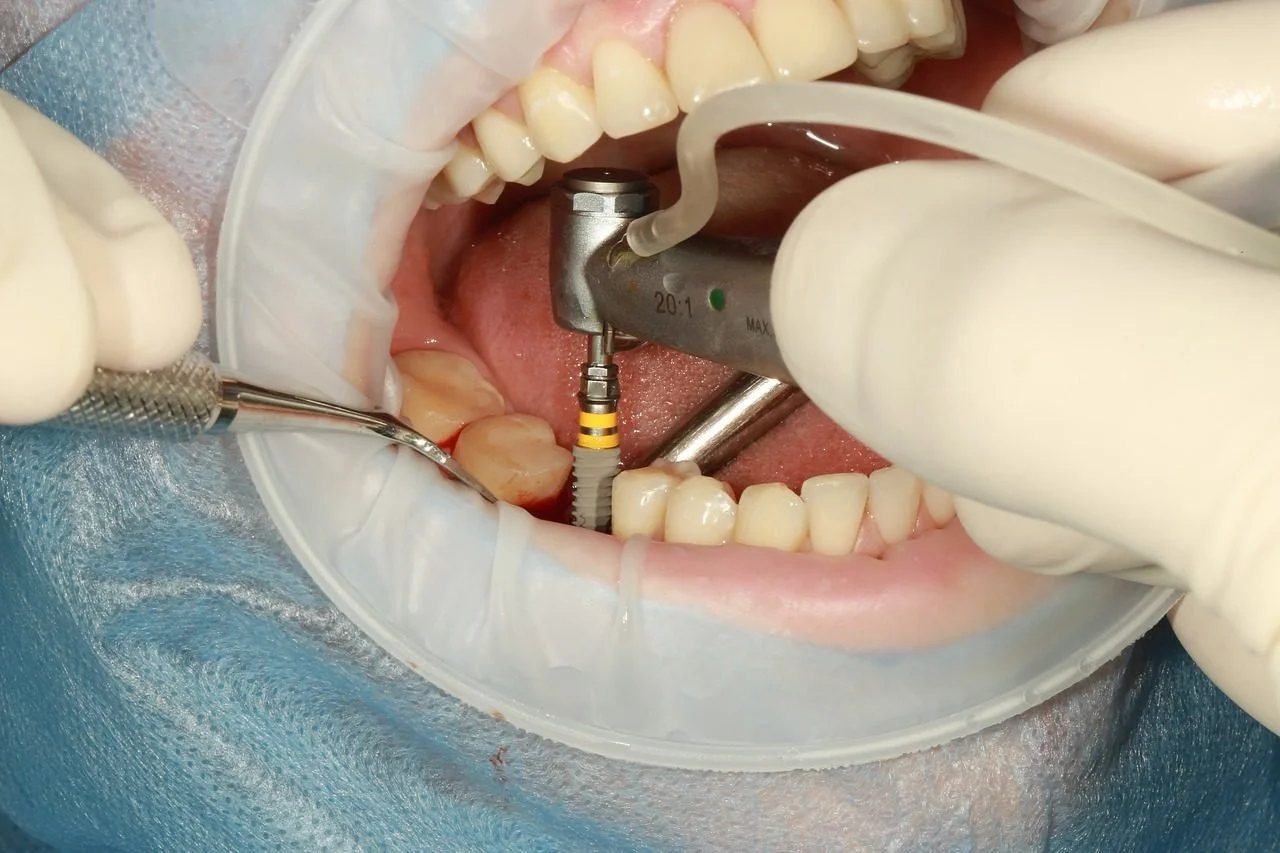
This restorative process begins with the surgical placement of the implant post, which is a precise procedure performed under local anesthesia. The primary goal of this initial surgery is to securely position the threaded titanium post in the jawbone so it can eventually support a prosthesis. Some general procedural steps for this placement include:
- Site Preparation: The dentist or oral surgeon makes an incision in the gum tissue to expose the underlying bone.
- Drilling: A series of specialized drills are used to create a space in the bone that matches the size of the implant.
- Placement: The threaded implant post is carefully screwed into the prepared site at a precise depth and angle.
- Closure: The gum tissue is stitched back over the implant site to protect it during the initial healing phase.
After the implant is placed, a biological process called osseointegration begins. This term refers to the structural and functional connection between living bone and the surface of a load-bearing artificial implant. Over a period of three to six months, the jawbone grows tightly around the titanium post, locking it into place. This fusion creates a solid foundation that is similar to a natural tooth root, as the implant does not move or shift during daily use.
How the Final Restoration Is Made
Once osseointegration is complete and the site has healed, the final restoration appointment will be scheduled. This appointment is where an abutment, a small connector piece, is attached to the implant post. The dentist then takes impressions to create a custom crown, bridge, or denture that matches the surrounding natural teeth. This final prosthesis is then permanently attached to the abutment, completing the implant restoration process.
Schedule a Dental Implant Consultation
To determine if dental implants are the right choice for you, contact a restorative dentist to schedule a consultation. A restoration consultation typically involves reviewing your medical history and taking X-rays or 3D imaging to assess your bone health. Discuss your goals with a professional today, and get a personalized treatment plan for your needs.
Leave a Reply