
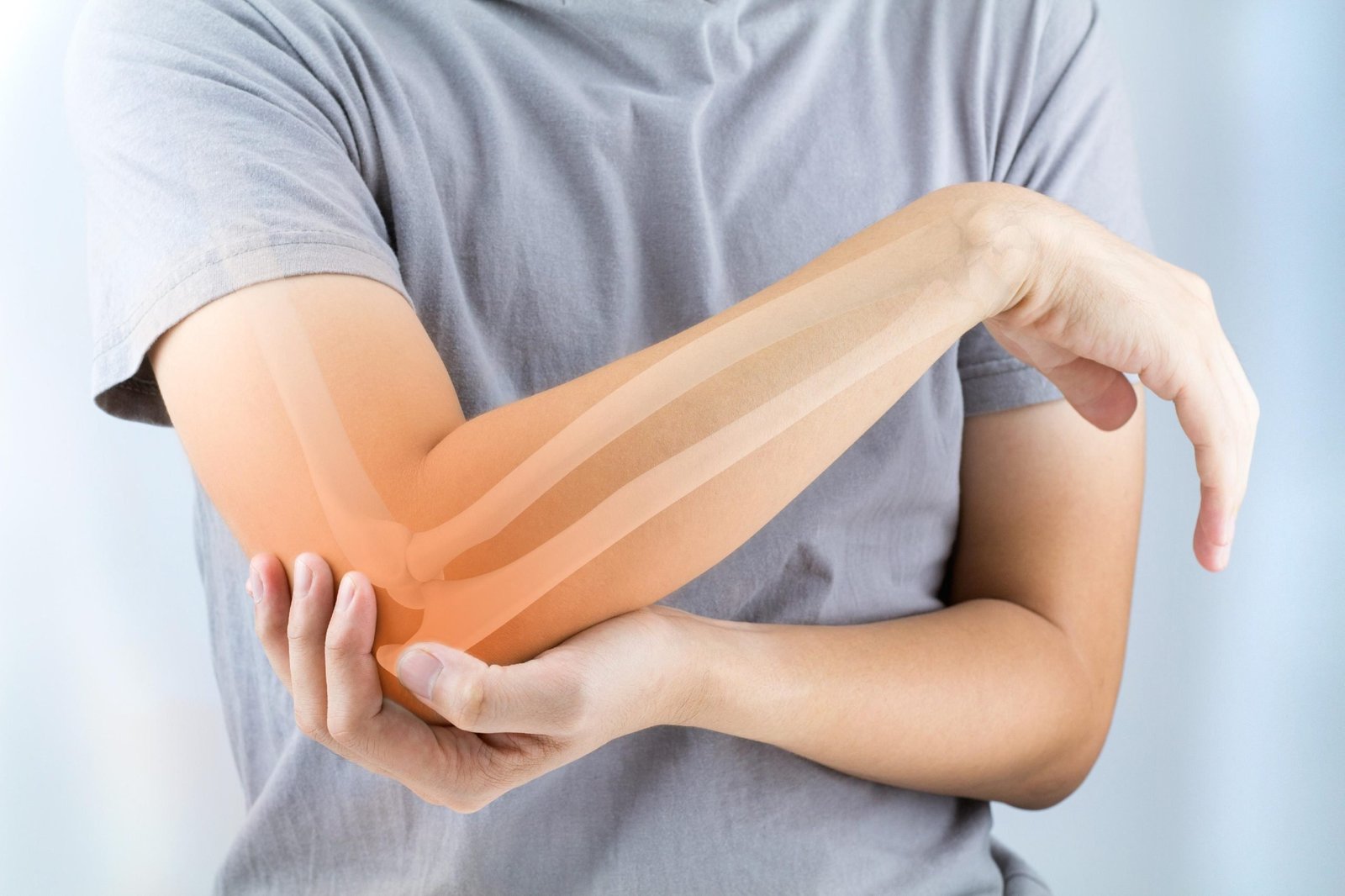
Persistent elbow discomfort can impair strength, flexibility, and daily function. Elbow pain may result from overuse, injury, or underlying joint and soft tissue conditions that require more than temporary relief. Here’s more information on addressing elbow discomfort with holistic methods:
Understanding Pain Causes
Elbow pain is a musculoskeletal condition characterized by joint discomfort, swelling, or limited range of motion. This condition often results from repetitive motion or overuse, making athletes and manual laborers particularly susceptible to injury. Another common cause is cubital tunnel syndrome, which happens when the ulnar nerve becomes compressed, stretched, or irritated. Identifying the specific source of elbow discomfort is helpful in determining the most effective course of action. Without this knowledge, treatments may not effectively target the underlying issue, and symptoms may persist.
Using Gentle Therapies
Physical activity is often a key component of recovery from elbow pain, as prolonged immobilization can lead to stiffness and muscle atrophy. Therapists often recommend the following to aid in this process:
- Physical therapy exercises: Targeted movements can strengthen the muscles around the elbow joint, reducing strain on tendons and ligaments.
- Bracing or splinting: Wearing a brace provides support to the elbow and limits movements that may aggravate the injury.
- Stretching routines: Gentle stretching increases flexibility in the forearm and wrist, which can alleviate tension in the elbow.
- Elbow padding: Using padding protects the joint from direct impact and reduces vibration during activity.
These interventions aim to restore function gradually without causing further stress to the affected tissues.
Supporting Healing
Healing from elbow pain requires more than just exercises; it often necessitates adjustments to daily habits and routines. Implementing specific self-care practices can significantly accelerate recovery and reduce systemic inflammation. Here are some of them:
- Rest and activity modification: Avoiding activities that trigger pain gives the tissues time to heal, and modifying movements prevents re-injury.
- Cold therapy: Applying ice to the affected area reduces swelling and numbs sharp pain, providing immediate relief.
- Over-the-counter painkillers: Medications can help manage pain levels, allowing individuals to participate in physical therapy more comfortably.
- Anti-inflammatory nutrition: Consuming foods rich in omega-3 fatty acids and antioxidants supports the body’s ability to manage inflammation internally.
Adopting these habits creates a supportive environment for the body to repair itself efficiently.
Integrating Holistic Care Approaches
While home remedies and holistic methods are beneficial, they are most effective when integrated with professional medical care. A board-certified orthopedic surgeon can provide an accurate diagnosis and oversee the recovery plan. In some cases, surgical intervention using minimally invasive techniques is the most effective option for restoring function. Combining holistic self-care with expert medical oversight promotes a comprehensive approach to healing. Professional guidance prevents the accidental worsening of the injury through improper self-treatment.
Schedule Your Elbow Pain Appointment
Elbow pain can significantly impact your well-being, but effective treatments can restore your mobility. A combination of holistic practices and professional medical care offers the best chance for a full recovery. If you are experiencing persistent elbow discomfort, contact a qualified orthopedic specialist near you to schedule your appointment and explore your treatment options.
Leave a Reply