
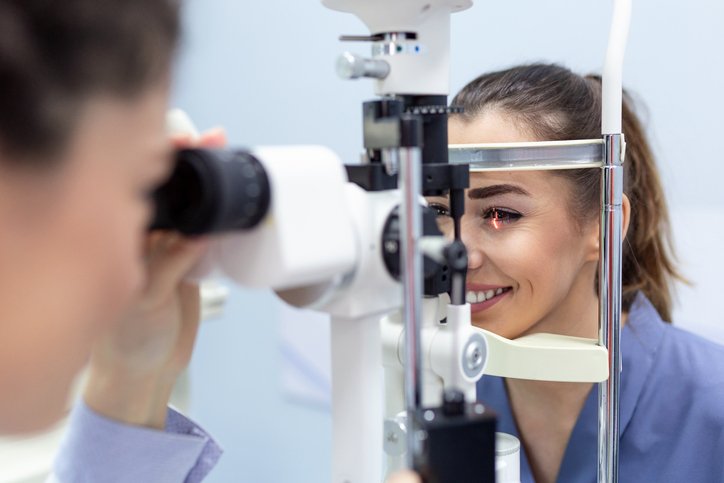
Maintaining ocular health requires diligence and regular professional observation. Comprehensive evaluations serve a broader purpose than simply updating a prescription for glasses or contact lenses. These eye exam appointments allow a specialist to examine the structural integrity of the eye and detect early signs of systemic issues that may not present obvious symptoms until later stages.
What Is an Eye Exam?
An eye exam consists of a series of tests performed by an ophthalmologist or optometrist to evaluate vision and check for eye diseases. Unlike a simple vision screening, a comprehensive exam looks deep into the health of the eye itself. Screenings may only indicate if a person sees clearly at a distance, and not evaluate the health of the eye. A full examination provides a complete analysis of ocular health. The doctor assesses how well the eyes work together and checks for indicators of conditions like glaucoma, cataracts, and macular degeneration. Doctors can sometimes detect signs of other medical issues during these appointments.
What Does One Entail?
Patients can expect several specific procedures during a comprehensive appointment, and the process may begin with a review of medical history. The doctor can ask about specific vision problems, medications currently in use, and family history of eye conditions. This background information guides the specific tests the doctor chooses to perform.
A visual acuity test follows, which can involve a reading chart to measure how well the patient sees at various distances. If refractive errors like nearsightedness, farsightedness, or astigmatism exist, the doctor uses a phoropter to determine the best lens prescription. This device holds multiple lenses, which the doctor switches back and forth while asking the patient which option provides clearer vision.
The examination of the eye’s physical structure often requires dilation. The doctor places drops in the eyes to widen the pupils and allow more light to enter. This permits a clear view of the retina and optic nerve at the back of the eye. A slit lamp exam gives the doctor a magnified, three-dimensional view of the eye’s front structures. Tonometry measures the pressure inside the eye, which aids in glaucoma detection.
How Often Should They Occur?
Frequency guidelines depend on age, health status, and risk factors. Healthy adults with no vision problems should still schedule appointments periodically. For individuals in their 20s and 30s, an exam every few years may suffice if no vision correction is needed and no symptoms arise. Those who wear glasses or contact lenses usually need annual checks to keep prescriptions current.
Between the ages of 40 and 54, the risk for age-related changes increases. Presbyopia, or difficulty focusing on close objects, can begin during this decade. Doctors generally advise exams every year for this age group and beyond. Specific health conditions may necessitate more frequent monitoring. Individuals with diabetes require an exam to screen for diabetic retinopathy. Those with a family history of glaucoma or other hereditary eye diseases may need strictly scheduled monitoring regardless of age.
Meet With an Ophthalmologist
Prioritizing ocular health supports a high quality of life. While standard guidelines provide a baseline, only a qualified medical professional can determine an appropriate specific schedule. An ophthalmologist possesses the specialized training to diagnose complex eye diseases and perform surgical interventions when necessary. Establishing a relationship with an eye care provider creates a comprehensive health record, allowing for better tracking of subtle changes over time.
Leave a Reply