
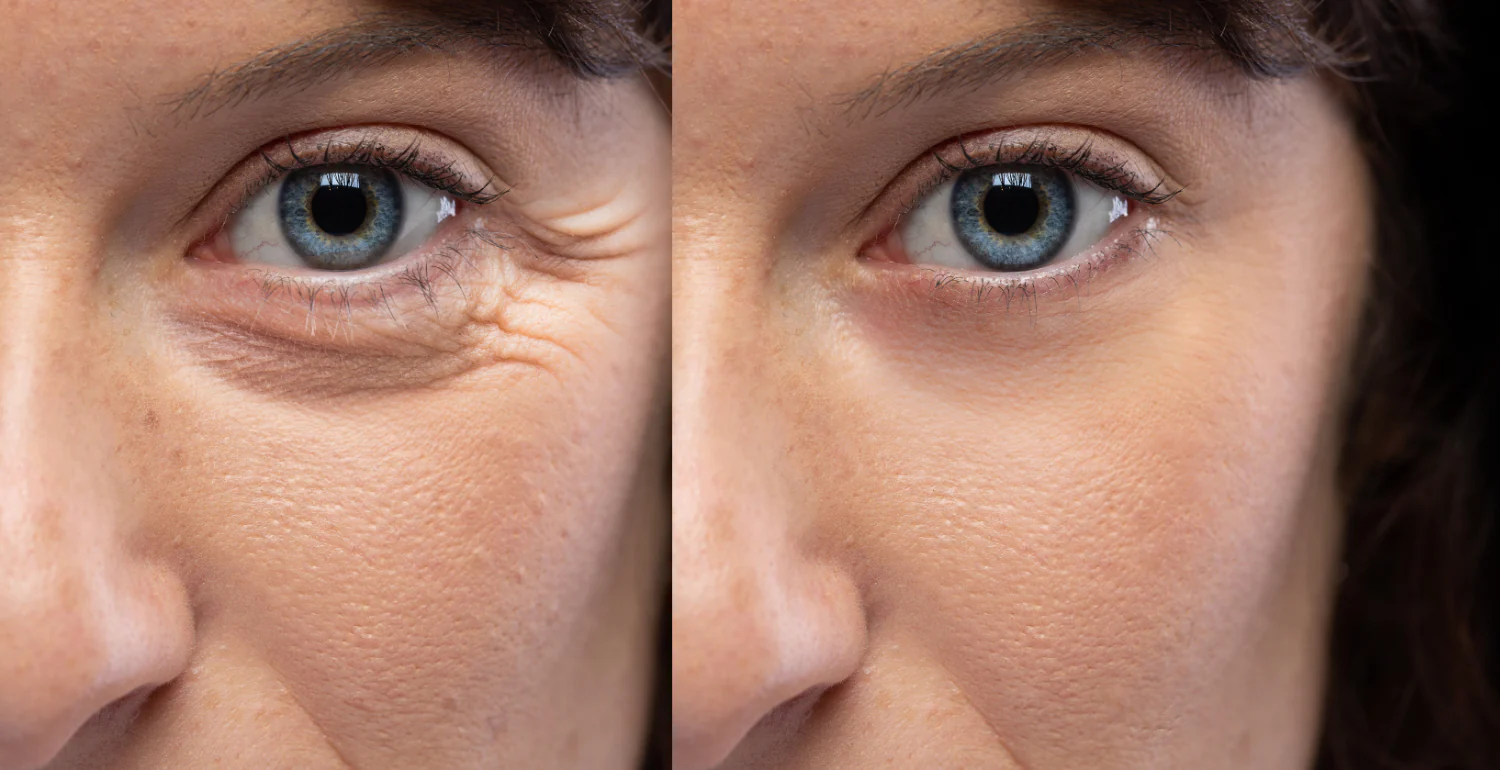
As we age, our skin naturally changes, which leads to the formation of visible creases and lines. Skin resurfacing is a method for addressing these common concerns by removing damaged outer layers to reveal fresher skin underneath. This process involves various techniques, such as lasers or chemical peels, which work together to rejuvenate the skin’s appearance without invasive surgery. The goal of skin resurfacing is to create a smoother, more uniform complexion by targeting specific fine lines and wrinkles that accumulate over time.
Targets Fine Lines
Fine lines often appear first around the eyes and mouth, signaling the beginning of skin aging. Skin resurfacing procedures target these delicate areas to reduce the visibility of early signs of aging. By removing the outermost layer of the epidermis, the treatment provokes the growth of new, healthier skin cells. This renewal process diminishes the appearance of shallow lines that sit on the skin’s surface. Patients may notice a reduction in these fine lines as the skin heals and regenerates.
Smooths Wrinkle Depth
While superficial lines exist on the surface, deeper wrinkles extend further into the dermal layers and require a more intensive approach. Resurfacing treatments address these pronounced folds through the following process:
- Dermal Penetration: The procedure extends beyond the outermost layer of the skin to reach the underlying tissue.
- Targeted Tissue Breakdown: Energy-based or chemical solutions effectively break down the damaged tissue responsible for deep creases.
- Structural Recovery: As the skin heals, the depth of these wrinkles is visibly reduced.
- Improved Texture: The treatment creates a smoother transition between treated areas and surrounding skin, resulting in a more uniform surface.
Boosts Collagen Renewal
Collagen is the structural protein that gives skin its firmness and elasticity. One of the primary biological responses to resurfacing techniques is the stimulation of new collagen production. The controlled injury caused by the treatment triggers the body’s natural healing mechanisms, which speed up protein synthesis. Over time, this increased collagen density helps to firm the skin from within. The result is a stronger skin structure that can help to prevent future wrinkles.
Improves Skin Texture
Uneven skin texture often accompanies wrinkles, contributing to a tired or aged appearance. Resurfacing methods address roughness and irregularities by eliminating dead skin cells and promoting cellular turnover. This exfoliation process reveals a softer, more uniform layer of skin that reflects light more evenly. In addition to smoothing wrinkles, the treatment can also address issues like:
- Rough patches
- Sun damage
- Minor scarring
A consistent skin texture enhances the overall aesthetic result, making the skin look more refreshed.
Explore Skin Resurfacing Options
There are multiple methods available for individuals seeking to improve their skin’s appearance through resurfacing. Understanding which method aligns with your specific skin type and goals requires a professional evaluation. Skin resurfacing offers a range of options, from mild chemical peels to advanced laser therapies, allowing for customized treatment plans. Consulting with a qualified specialist can help you to discuss your concerns and receive a personalized recommendation. Schedule a consultation today to learn more about how this procedure can benefit your skin.
Leave a Reply