
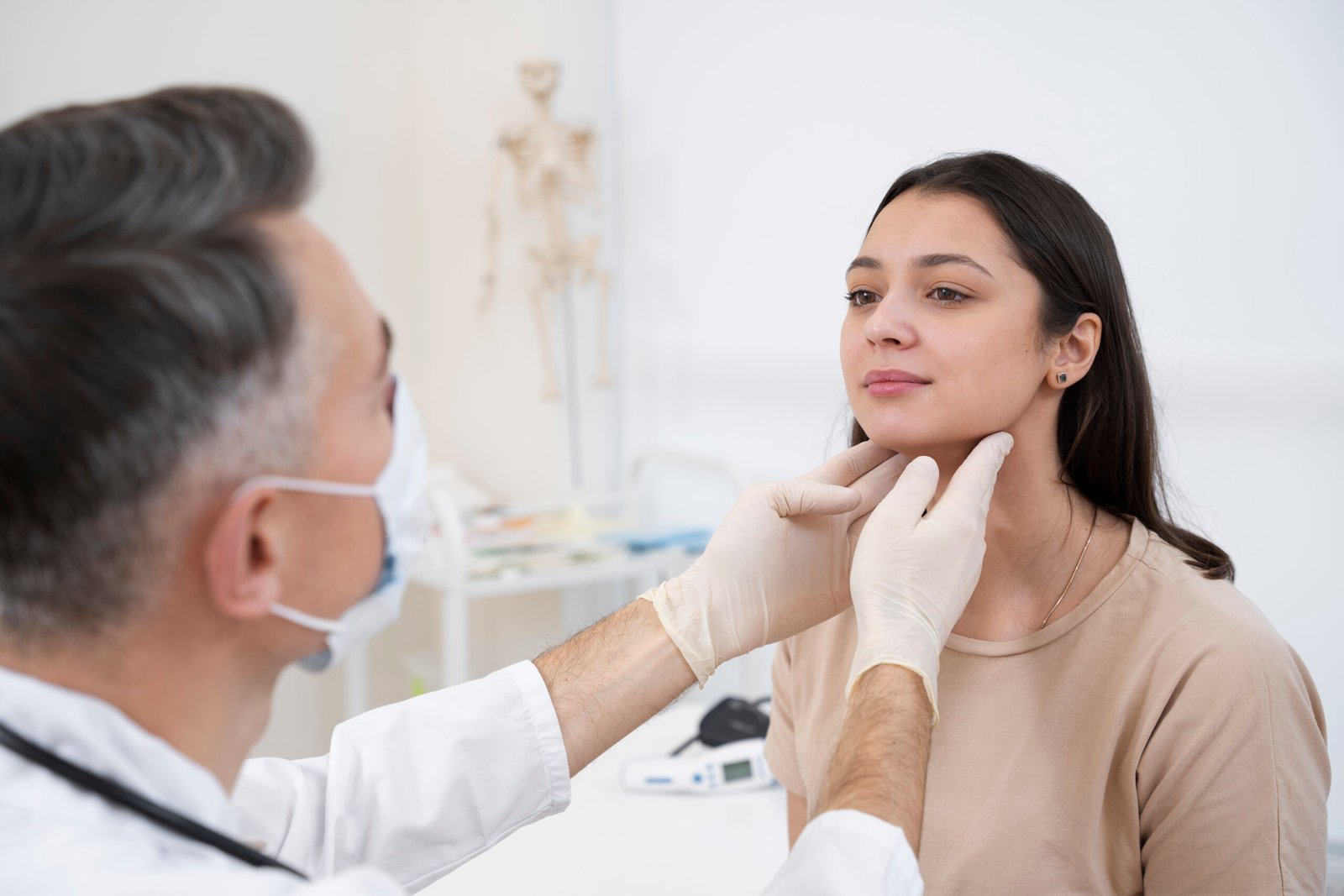
Dermatology specializes in diagnosing and treating conditions that affect the skin, hair, and nails, and professionals in this field address a wide range of concerns. The skin provides a strong barrier against outside forces. Because of this, it needs dedicated medical care. Here are some tips for getting the most out of your dermatology appointment:
Document Any Changes
Your skin regularly shows new markings, and tracking these provides useful information for your healthcare provider. You see your body every day, so you are most aware when new spots, rashes, or discolorations emerge. Even something that appears minor, such as a shifting mole or patch, is worth noting during your visit. Try to be systematic when monitoring skin changes.
When something looks unfamiliar or sudden, write down when you first noticed it. Don’t hesitate to take a photo, especially if a spot appears to grow or fade. Keeping a record helps the dermatologist assess symptoms over time, which improves their understanding of what is happening. If you track how long a change has been present, you offer key insight.
List Medications
Every medication, supplement, or herbal remedy you use may have the potential to interact with your skin. List each substance and note how often you take it or apply it. Even over-the-counter vitamins and teas may lead to unexpected reactions. Your dermatologist uses this information for context.
Before your appointment, gather your information into one place. This list may include:
- Prescription medications
- Daily vitamins or minerals
- Herbal teas or tinctures
- Over-the-counter pain medicines
This clear, organized list helps your provider when making decisions, and it enables them to anticipate possible medication interactions.
Complete All Forms
Taking care of paperwork ahead of your visit reduces unnecessary delays at the dermatology clinic. Offices may let you complete your forms online, and this means you can fill out your history from the comfort of home. Doing this allows your provider’s team to review your medical background in advance. When this happens, it may result in more focused and productive discussions during your visit.
Be as thorough as possible when describing both personal and family medical histories. Skin conditions, including some cancers or autoimmune diseases, may run in families. If your parent or sibling received a diagnosis, your provider needs that information. Do not leave out past surgeries, allergies, or reactions to anesthesia, as this could influence your care.
When you check in, bring your insurance card. The clinic team will typically scan it before the appointment begins. Double-check your policy coverage in advance. Understanding your check-in details will keep you from being surprised by unexpected requirements.
Clean Skin
Before your visit, thoroughly wash your face and avoid using cosmetic products, lotions, or sunscreen. Makeup and lotions can hide rashes or alter the appearance of your skin’s surface, and this can make the examination less accurate. Nail polish should also be removed, as fingernails sometimes show important health signals. Clean, product-free skin allows your provider to see the true condition without confusion.
Find a Dermatology Clinic
A thoughtful approach before your appointment helps you make the most of your time in the clinic. Preparation lets you focus attention on your concerns, resulting in a more effective exchange during your visit. Reach out to a dermatology provider near you to schedule a consultation and take this practical step for your ongoing skin health.
Leave a Reply