
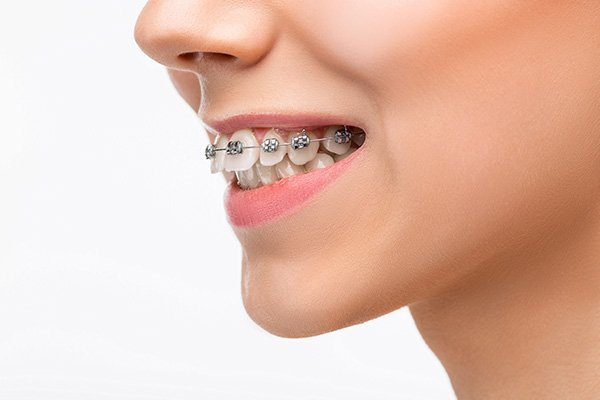
Orthodontics focuses on correcting the alignment of teeth and jaws. Several treatment methods can address crooked teeth, overcrowding, and bite misalignments, and the best option depends on individual needs. This article outlines the purpose of orthodontic care, explains the main types of braces, and reviews how each option may be used in different cases.
The Purpose of Orthodontics
Orthodontic treatment aims to align the teeth and jaws to improve function and comfort. Misalignment can affect chewing, speech, and jaw movement, and these issues may interfere with daily activities. Orthodontic appliances apply controlled pressure over time, which encourages teeth to shift into healthier positions. Because alignment problems vary, treatment plans are chosen based on careful diagnosis.
Common concerns addressed through orthodontics include overcrowded teeth, gaps between teeth, crooked or overlapping teeth, bite problems such as overbites or underbites, and jaw misalignment. Correcting these issues can improve oral function and balance, and many patients also notice improvements in appearance. A thorough evaluation ensures that the most appropriate device is selected.
The Purpose Of Braces
Braces are orthodontic devices designed to correct the alignment of teeth and jaws over time. They work by applying steady, controlled pressure that gradually moves teeth into proper positions. Braces can address concerns such as overcrowding, gaps, crooked teeth, and bite issues. Different designs are available to meet varying treatment needs, and effectiveness depends on consistent use and regular adjustments. When used as directed, braces improve both oral function and long-term dental health. Metal braces use brackets attached to the teeth and connected by wires and elastic bands. This system provides consistent pressure and allows for precise tooth movement. Metal braces are effective for a wide range of alignment issues, but they require careful cleaning and regular adjustments.
Ceramic braces function in the same way as traditional metal braces but use tooth-colored components that blend more naturally with the teeth, making them less noticeable. Although they offer a more discreet appearance, ceramic braces are more fragile and may break more easily. Lingual braces operate like standard braces but are placed on the back surfaces of the teeth, which keeps them hidden from view. Self-ligating braces resemble metal braces but use an integrated mechanism to secure the wire, eliminating the need for elastic bands and allowing for smoother adjustments during treatment.
Clear aligners use removable plastic trays to gradually reposition teeth. They can be taken out for eating and cleaning, which helps maintain daily habits. However, aligners must be worn for most hours of the day to be effective, and inconsistent use can delay progress. Retainers are used after orthodontic treatment to maintain alignment. These custom devices help prevent teeth from shifting back, but regular wear is necessary to maintain results.
The Purpose Of Upkeep
The length of orthodontic treatment varies depending on the case. Treatment can be as short as a few months or last up to three years. Factors such as appliance type, treatment goals, and patient compliance influence how long correction takes. Attending scheduled appointments and following care instructions help ensure steady progress, while missed visits or inconsistent use of removable devices can extend treatment time.
Find An Orthodontist Near You
Choosing the right orthodontic treatment depends on clinical needs, personal preferences, and daily habits. An orthodontic provider can recommend an appropriate plan based on a full evaluation. Discussing expectations early in the process helps ensure successful outcomes. With proper use and ongoing care, braces can improve both dental function and appearance. Find a dental clinic today for your jaw and oral health.
Leave a Reply