
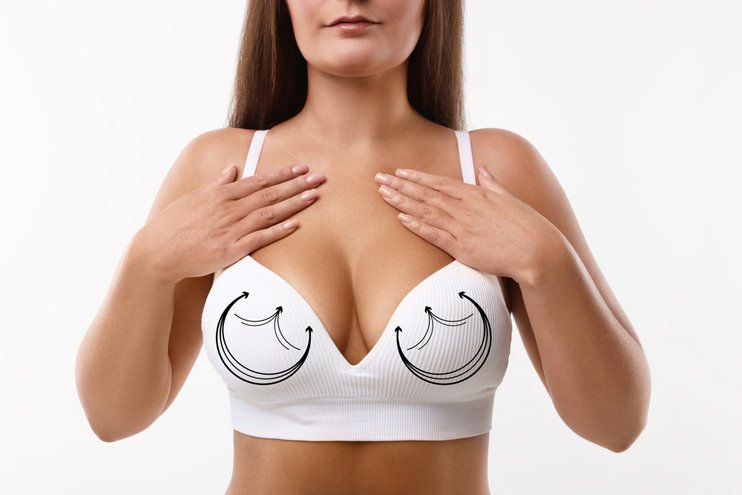
Breast reduction is a surgical procedure that addresses the physical discomfort and functional limitations associated with excessively large breasts. The procedure may also improve posture and enhance daily comfort. Here’s a closer look at the overall impact of breast reduction:
Relieving Physical Discomfort
The most immediate and quantifiable impact of reduction mammoplasty is the alleviation of physical strain on the upper body. Here are some physical issues that breast reduction aims to resolve:
- Chronic Pain: Persistent aching in the upper back, neck, and shoulders is a frequent complaint among candidates.
- Shoulder Grooving: Heavy breasts cause bra straps to dig into the shoulders, leading to painful, permanent indentations in the soft tissue.
- Skin Irritation: The skin fold beneath the breast is prone to rashes, infections, and irritation due to trapped moisture and friction.
- Headaches: Tension radiating from the neck and shoulders can contribute to chronic tension headaches or migraines.
- Nerve Impingement: In severe cases, the pressure on the shoulders can compress nerves, leading to numbness or tingling in the arms and hands.
The removal of excess tissue directly addresses these symptoms by reducing the load the musculoskeletal system must support.
Supporting Emotional Health
The psychological impact of having disproportionately large breasts is a fundamental aspect of the patient experience. Many individuals develop self-consciousness regarding their appearance starting in adolescence, which can persist well into adulthood. This often manifests as a desire to conceal the chest beneath loose clothing or a feeling of embarrassment during social interactions.
Surgical breast reduction often leads to a notable shift in self-image. Patients usually feel more comfortable in their bodies and less defined by a single physical trait. This procedure allows individuals to view their figures as more proportionate, reducing feelings of dysmorphia or anxiety related to physical appearance.
Improving Daily Function
Beyond pain relief and mental well-being, breast reduction facilitates participation in activities that were previously difficult or impossible. Here are some key lifestyle changes that patients often experience after they recover from the procedure:
- Exercise Participation: High-impact activities such as running, jumping, and aerobics become more accessible and less painful without the burden of heavy tissue.
- Clothing Fit: Patients find it helpful to shop for clothing that fits their entire frame, rather than sizing up solely to accommodate chest measurement.
- Sleep Quality: Previously uncomfortable sleeping positions, such as lying on the stomach or back, often become viable options again.
- Posture Correction: With less weight pulling the upper body forward, maintaining an upright posture requires less muscular effort and becomes more natural.
- Personal Hygiene: Reducing skin-to-skin contact eliminates the need for constant management of sweat and rashes under the breast fold.
These functional improvements contribute to an overall active and unrestricted lifestyle.
Achieving Long-Term Recovery
The recovery process is a key phase in achieving the final results of a breast reduction. Immediately following the surgery, patients will experience swelling, bruising, and soreness, which are normal responses to tissue trauma. A surgeon will provide specific instructions on caring for incisions and managing comfort during the initial weeks.
Most patients return to non-strenuous work and light daily activities within a week or two, though individual healing rates vary. Patients should avoid heavy lifting and vigorous exercise for several weeks to make sure the internal tissues heal correctly. The swelling will gradually subside, revealing the final contour and size of the breasts over the course of several months.
Schedule Your Breast Reduction Appointment
Breast reduction surgery offers a multifaceted solution for individuals struggling with the physical and emotional burdens of large breasts. The procedure addresses chronic pain, improves functional mobility, and enhances self-confidence. To learn more about breast reduction, contact a certified plastic surgeon near you to schedule your appointment today.
Leave a Reply