
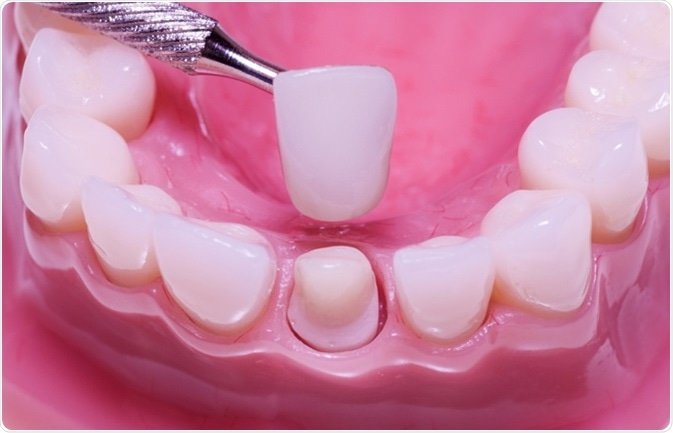
When a tooth is damaged or decayed, it can significantly impact your ability to chew comfortably and speak clearly. Dental crowns act as protective caps that cover the entire visible portion of a tooth, effectively restoring its shape, size, strength, and appearance. By encasing the damaged structure, crowns provide the necessary support to return a compromised tooth to full functionality, allowing patients to resume normal oral activities without hesitation.
Functional Roles of Dental Crowns
Dental crowns serve several purposes beyond simply improving the aesthetic appearance of a smile. Their primary function is mechanical, designed to withstand the significant forces generated during chewing and biting. A weakened tooth cannot handle this pressure alone, but a crown distributes these forces evenly to prevent fractures.
Crowns also help maintain the alignment of your bite; a broken or worn-down tooth can cause the surrounding teeth to shift or the opposing teeth to over-erupt, leading to bite irregularities. A properly fitted crown restores the tooth’s original dimensions, making sure that the upper and lower teeth meet correctly. This restoration of the bite relationship helps protect the jaw joint and muscles from unnecessary strain. Crowns seal the underlying tooth structure from bacteria. This helps prevent further decay in teeth that have already been treated for deep cavities or infection.
Common Situations Requiring Crowns
Dentists recommend crowns for a variety of clinical situations where a simple filling is insufficient to restore the tooth. Understanding these scenarios can help you recognize when this treatment might be necessary for your oral health. Common indications for a dental crown include:
- Large Cavities: When tooth decay destroys a large portion of the tooth, there may not be enough healthy structure left to support a filling.
- Cracked or Broken Teeth: A crown holds the pieces of a cracked tooth together, preventing the crack from deepening and reaching the nerve.
- Root Canal Therapy: Teeth that have undergone root canal treatment become brittle over time, and a crown is almost always required to protect them from fracturing.
- Severe Wear: Patients who grind their teeth (bruxism) often wear their teeth down significantly, requiring crowns to restore vertical height.
- Cosmetic Modification: Crowns cover severely discolored or misshapen teeth that do not respond to other cosmetic treatments.
Procedure Expectations
Receiving a dental crown typically requires two separate visits to the dental office. During the initial appointment, the dentist removes some of the enamel to make space for the crown. The prepared tooth is then digitally scanned or an impression taken to create a precise mold for the dental laboratory.
Because the dental laboratory needs time to fabricate the permanent crown, the dentist places a temporary crown to protect the tooth during the interim period. This temporary restoration is functional but less durable, so patients are advised to avoid sticky or hard foods. At the second appointment, the dentist removes the temporary crown and checks the permanent one for fit, bite, and color. Once the dentist confirms the fit is accurate, they permanently cement the crown in place.
Contact Your Dentist Today
If you are experiencing difficulty chewing or have a tooth that feels unstable, seek professional evaluation. Dental crowns reliably restore damaged teeth, but early treatment helps prevent complications. Schedule an appointment with your dentist to discuss whether a crown is the appropriate treatment for your specific dental needs.
Leave a Reply